
Storage for Retail Stock refers to the professional management, organization, and protection of retail inventory outside or alongside a primary store location, designed to ensure goods remain secure, accessible, and in sellable condition while supporting business scalability.
Retail today is no longer just about selling products from a storefront. Behind every successful retail operation is a well-structured inventory system that quietly supports sales, logistics, and customer satisfaction. While consumers see shelves and displays, business owners deal with fluctuating demand, limited space, seasonal surges, and supply chain unpredictability. This is where structured inventory storage becomes not just helpful, but essential.
Modern retail environments demand storage solutions that are flexible, secure, and optimized for speed. From fashion brands managing seasonal collections to electronics sellers handling high-value stock, businesses that treat storage as a strategic asset consistently outperform those that treat it as an afterthought.
Why Storage Strategy Directly Impacts Retail Profitability
Effective inventory storage starts with strong inventory management fundamentals, as outlined in Shopify’s retail inventory management guide. Retail profitability is often discussed in terms of pricing, marketing, and foot traffic. Yet, inefficient inventory handling quietly drains revenue through damaged goods, lost stock, delayed fulfillment, and operational bottlenecks. Storage for Retail Stock plays a direct role in protecting margins and enabling growth without unnecessary overhead.
According to industry logistics data, retailers lose an estimated 5–10% of annual inventory value due to poor handling, inadequate storage conditions, and mismanagement. These losses compound over time, especially for small and mid-sized retailers operating with thin margins. A well-designed storage system acts as a buffer against these risks, ensuring stock is protected while remaining easy to deploy.
Beyond loss prevention, storage also affects speed. Retailers with organized, professionally managed inventory systems fulfill orders faster, respond to demand spikes more efficiently, and maintain better relationships with suppliers and customers alike.
Key Types of Retail Inventory Storage Solutions
Off-Site Warehousing for Growing Brands
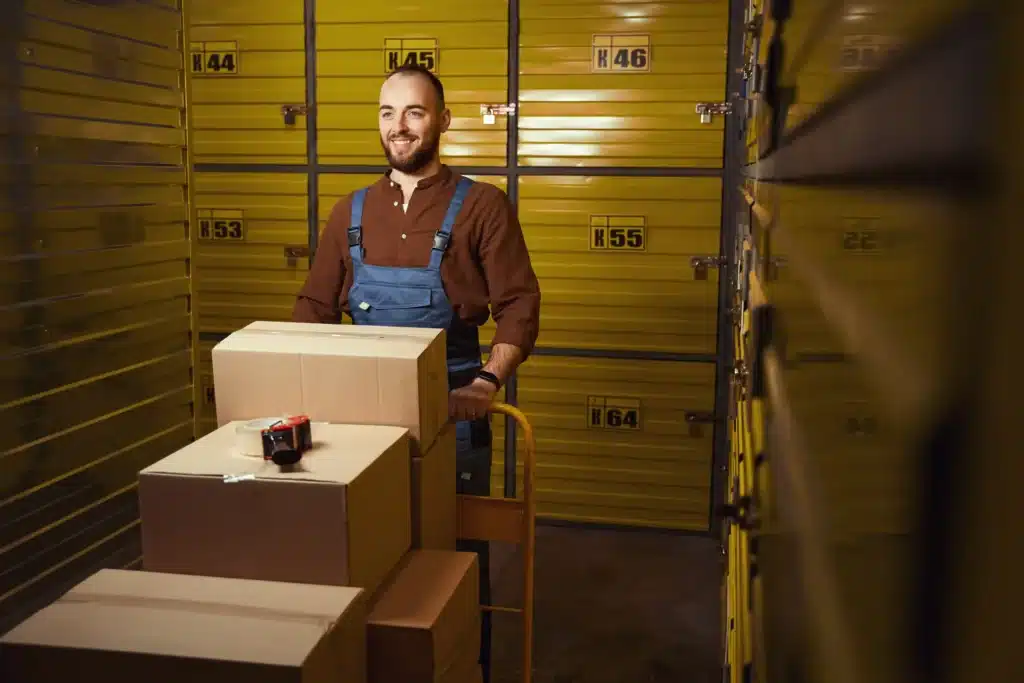
Off-site warehousing allows retailers to separate selling space from storage space, freeing valuable retail real estate for customer experience rather than stock overflow. Storage for Retail Stock in off-site facilities is especially useful for brands experiencing growth but not ready for long-term warehouse leases.
These facilities often offer scalable capacity, meaning businesses can increase or decrease storage usage depending on seasonal demand without committing to fixed costs. This flexibility is critical for fashion, promotional retail, and event-based sales models.
Climate-Controlled Storage for Sensitive Goods
Many retail products require stable temperature and humidity levels to maintain quality. Apparel, cosmetics, electronics, health products, and packaged foods are particularly vulnerable to environmental damage. Storage for Retail Stock that includes climate control significantly reduces spoilage, warping, mold, and electronic degradation.
Retailers using climate-controlled environments report lower return rates and higher customer satisfaction, as products consistently arrive in sellable condition. Over time, this directly improves brand reputation and repeat purchase rates.
Short-Term Storage for Seasonal Peaks
Retail demand is rarely consistent year-round. Holiday seasons, flash sales, and marketing campaigns create sudden inventory surges that overwhelm standard storage capacity. Short-term storage solutions allow retailers to prepare in advance without overinvesting in permanent infrastructure.
Storage for Retail Stock during peak seasons ensures products are readily available without cluttering stores or disrupting daily operations. Once demand normalizes, excess space can be released, keeping costs under control.
Retailers often rely on Business Storage to keep excess stock organized, protected, and ready for rapid deployment during peak sales periods.
Operational Benefits That Go Beyond Space Saving
Retail storage is often perceived as a space issue, but its real value lies in operational efficiency. Businesses that invest in structured inventory environments gain better visibility, improved stock rotation, and smoother internal workflows.
Retailers managing physical inventory can also apply proven techniques used for business equipment. Our guide on storing business equipment safely and efficiently shares practical methods that help reduce damage and improve organization.
Professionally managed storage systems often integrate inventory tracking, labeling standards, and structured shelving layouts that reduce picking errors and wasted labor time. Staff spend less time searching for products and more time focused on sales, fulfillment, and customer service.
In many cases, Storage for Retail Stock also supports omnichannel retail strategies by enabling centralized inventory pools for online orders, in-store replenishment, and bulk distribution. This unified approach minimizes overselling and stockouts while improving delivery accuracy.
Risk Management and Inventory Protection
Retail inventory represents capital. Leaving it vulnerable to theft, environmental damage, or disorganization exposes businesses to unnecessary financial risk. Secure storage facilities incorporate controlled access, surveillance systems, insurance options, and professional handling protocols.
Storage for Retail Stock designed with security in mind significantly reduces shrinkage, which remains one of the largest hidden costs in retail operations globally. By placing inventory in controlled environments rather than overcrowded backrooms or unsecured spaces, retailers protect both products and peace of mind.
Case Study: How Structured Storage Enabled Scalable Growth
A mid-sized apparel retailer operating across multiple sales channels faced chronic inventory congestion during seasonal launches. Their store locations were overwhelmed with boxed stock, leading to delayed replenishment and frequent product damage.
After transitioning to a professionally managed Storage for Retail Stock model with climate control and flexible capacity, the brand reduced damaged inventory by 32% within six months. Fulfillment speed improved by 27%, and staff productivity increased due to better organization. Most importantly, the retailer avoided signing a long-term warehouse lease, preserving cash flow for marketing and expansion.
This example reflects a broader industry trend: retailers that align storage strategy with growth goals scale faster and with fewer operational disruptions.
How to Choose the Right Retail Storage Solution
Selecting the right storage setup requires understanding product characteristics, sales velocity, and future growth plans. Storage for Retail Stock should never be chosen solely based on price; suitability and flexibility matter far more over time.
Evaluation Factors to Consider
| Factor | Why It Matters |
|---|---|
| Inventory Type | Determines environmental and handling needs |
| Sales Volume | Influences space requirements and turnover |
| Location Access | Affects fulfillment speed and logistics costs |
| Scalability | Supports growth without long-term commitments |
| Security Standards | Protects inventory investment |
A thoughtful evaluation prevents costly adjustments later and ensures storage supports, rather than restricts, business operations.
Common Mistakes Retailers Make With Inventory Storage
One of the most frequent errors retailers make is underestimating future growth. Choosing a storage option that only fits current needs often leads to repeated relocations, inefficiencies, and rising costs.
Another common mistake is ignoring environmental requirements. Storage for Retail Stock that lacks proper ventilation or temperature control may appear cost-effective initially, but hidden losses from damaged goods quickly outweigh short-term savings.
Finally, many retailers fail to integrate storage strategy with sales channels. Disconnected systems create inventory mismatches, delays, and customer dissatisfaction.
Conclusion
Choosing the right storage solution is not just about where products sit. it is about how efficiently a retail business operates, scales, and protects its investment. At our website, we specialize in professionally managed retail inventory solutions designed to support modern retailers through every stage of growth. Our expertise covers secure facilities, flexible capacity planning, climate-controlled environments, and operational support tailored to real retail challenges.
Pro Tips for Retailers:
- Plan storage based on future growth, not just current needs
- Match storage conditions to product sensitivity
- Prioritize flexibility to handle seasonal demand
- Treat inventory storage as a strategic asset, not a cost
By aligning storage strategy with business goals, retailers create a stronger foundation for profitability, resilience, and long-term success.
Frequently Asked Questions
What is the biggest benefit of professional inventory storage?
Professional storage improves inventory protection, organization, and operational efficiency, allowing retailers to focus on sales and growth rather than logistics problems.
Is off-site storage suitable for small retail businesses?
Yes. Many solutions are designed specifically for small and growing retailers who need flexibility without long-term commitments.
How does climate control affect retail products?
Stable temperature and humidity help preserve product quality, especially for apparel, electronics, cosmetics, and packaged goods.
Can inventory storage support online sales?
Absolutely. Centralized inventory systems improve order fulfillment speed and accuracy for e-commerce and omnichannel retail.
When should a retailer upgrade their storage system?
When stock congestion, frequent damage, fulfillment delays, or growth limitations start impacting daily operations.