
Overview: What Packing Tips for Protecting Antiques Really Mean
Antiques are not just old objects. They are fragile records of craftsmanship, culture, and personal history. Unlike modern mass-produced furniture or decor, antiques often use materials, joints, and finishes that react badly to pressure, vibration, moisture, and temperature changes.
That’s why packing tips for protecting antiques go far beyond “wrap it in bubble wrap and hope for the best.”
This guide focuses on practical, professional-grade strategies used by museum handlers, restoration experts, and logistics specialists to reduce damage risk during moving, storage, or international shipping. You’ll learn why antiques break, how damage usually happens, and what you can do to prevent it, step by step.
Our expertise spans digital documentation, asset presentation, and preservation-focused content systems, helping brands and collectors safeguard value both physically and online.
Why Antiques Are So Easy to Damage
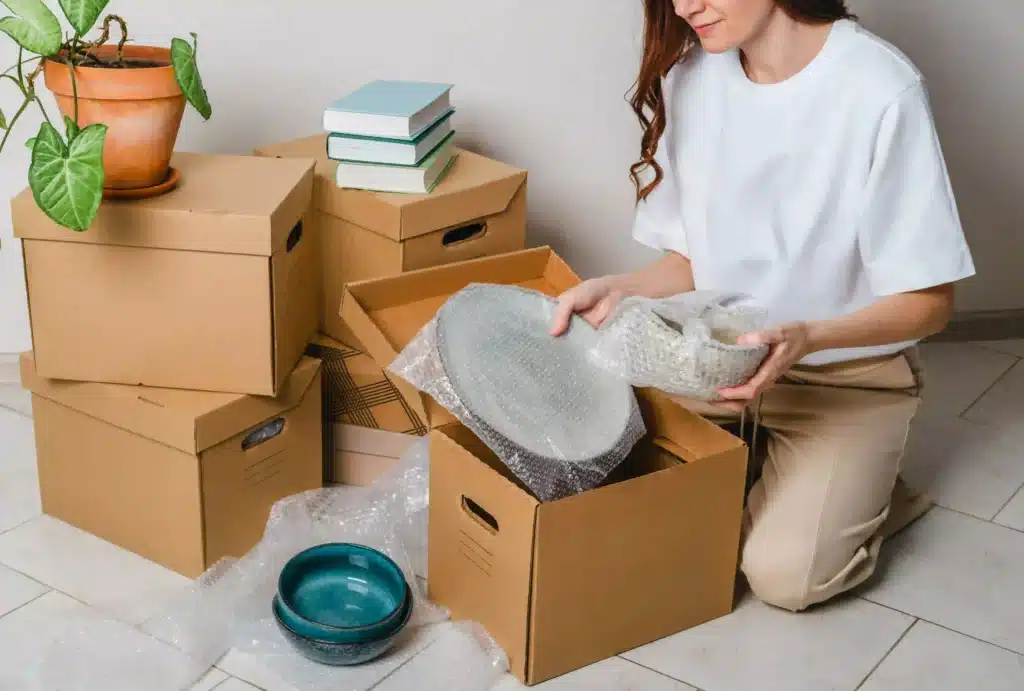
Antiques fail differently than modern items. Understanding these failure points is key before applying any packing tips for protecting antiques.
Common Vulnerabilities
- Aged adhesives that crumble under vibration
- Wood expansion and contraction due to humidity shifts
- Hairline cracks that worsen when wrapped too tightly
- Surface finishes that stick to plastic or foam
Many antique losses don’t happen from drops. they happen from slow stress inside poorly packed boxes.
Essential Materials Used by Professionals
Before packing anything, gather materials specifically chosen for antique safety. Random household supplies often cause more harm than protection.
Recommended Packing Materials
- Acid-free tissue paper
- Unbuffered archival paper
- Cotton twill tape (instead of rubber bands)
- Polyethylene foam sheets
- Double-wall corrugated boxes
- Custom wooden crates for high-value items
Professionals rely on controlled materials because they don’t off-gas, stain, or chemically react with antique surfaces. Choosing the right materials is just as important as the packing technique itself, as explained in this guide on tips for choosing protective materials, which breaks down how different wrapping and cushioning options affect long-term protection.
Step-by-Step Packing Tips for Protecting Antiques
This is where theory turns into action. The following process reflects packing workflows used by fine art shippers and heritage movers.
Step 1: Document Before You Touch Anything
Photograph the item from all angles. Note existing cracks, loose joints, or chips. This protects value, insurance claims, and restoration planning.
Step 2: Disassemble Only When Necessary
Remove detachable parts like:
- Table legs
- Drawer handles
- Lamp shades
Each component should be packed separately, clearly labeled, and cushioned independently.
Step 3: Create a Soft Inner Barrier
Wrap the antique loosely using acid-free tissue. Tight wrapping increases pressure and causes fractures over time. an often overlooked mistake in packing tips for protecting antiques.
Step 4: Cushion Without Compression
Use foam or padding to support, not squeeze. The item should not shift, but it should also not be locked in rigid tension.
Step 5: Double-Box High-Risk Items
Place the wrapped item in a snug inner box, then suspend that box inside a larger outer box with shock-absorbing padding.
Packing Tips by Antique Type
Different antiques require different handling logic. There is no universal method.
Wooden Furniture
Wood reacts strongly to climate changes.
- Avoid plastic wrap directly on surfaces
- Allow breathing space
- Use corner protectors on legs and edges
Ceramics and Porcelain
These break from internal shock.
- Wrap hollow spaces first
- Never stack items directly
- Use dividers for sets
Paintings and Frames
Frames often fail before canvases.
- Protect corners with rigid guards
- Use glassine paper, not plastic
- Store vertically, never flat
Each category benefits from tailored packing tips for protecting antiques, not shortcuts.
Common Mistakes That Destroy Value
Even well-intentioned packing can permanently reduce antique worth.
| Mistake | Why It’s Dangerous |
|---|---|
| Using newspaper | Ink transfers to surfaces |
| Bubble wrap on varnish | Plastic sticks and peels finish |
| Over-tight wrapping | Causes pressure fractures |
| No moisture control | Leads to warping and mold |
In one documented case, a 19th-century cabinet lost 40% of its market value due to finish damage caused by plastic wrap during a short domestic move.
Climate Control: The Silent Risk
Temperature and humidity cause more antique damage than physical impact.
Professionals aim for:
- Relative humidity: 45–55%
- Temperature: Stable, not cold
Desiccant packs, climate-buffered crates, and breathable layers are essential parts of modern packing tips for protecting antiques. especially for long-distance transport.
Why Digital Documentation Matters Too
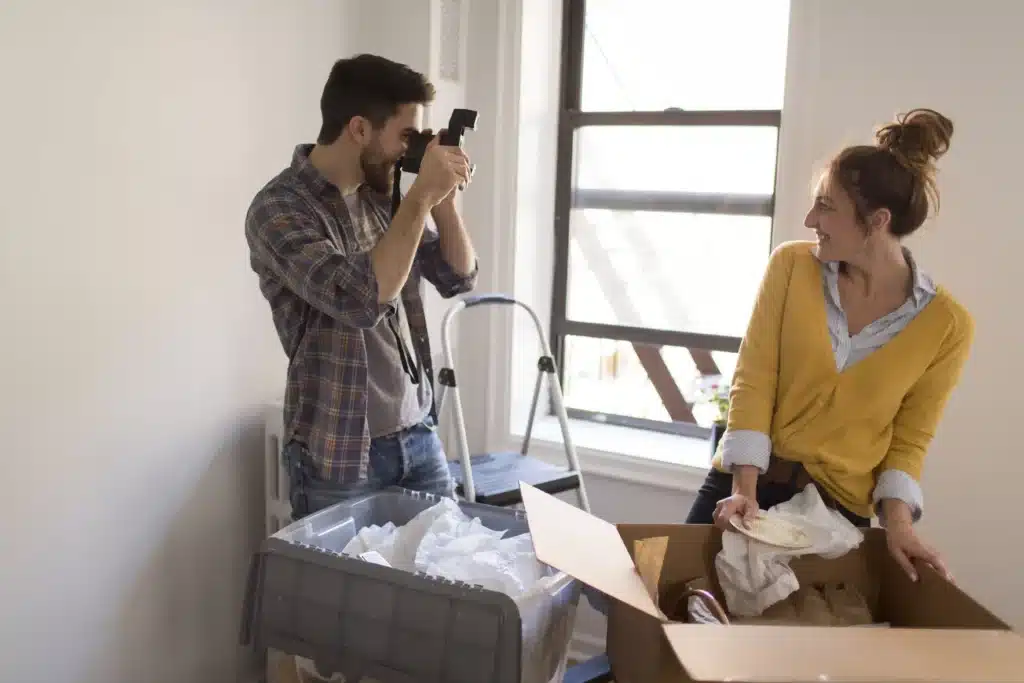
physical protection is only half the equation. High-value antiques also need proper digital records. Without clear documentation, even a perfectly packed item can lose credibility, resale power, or insurance coverage if questions arise about its condition or origin.
Digital records act as proof of authenticity, ownership history, and pre-transport condition. In many cases, insurers and buyers rely more on documented evidence than verbal claims. A structured archive of photographs, condition reports, invoices, restoration notes, and provenance details significantly reduces disputes and protects long-term value.
Clear documentation:
- Supports insurance claims by providing before-and-after visual proof
- Preserves provenance through traceable ownership and historical records
- Enhances resale and appraisal accuracy with verified condition history
- Reduces legal disputes during transport or storage transitions
- Builds buyer confidence in auctions or private sales
Clear documentation also plays a critical role when working with professional Moving Services, ensuring condition reports, item inventories, and photographic records are aligned before transport begins, reducing disputes and protecting value if damage occurs.
Conclusion
Antiques carry stories, craftsmanship, and financial value that cannot be replaced once damaged. The smartest packing tips for protecting antiques are never rushed or improvised; they are deliberate, informed, and respectful of material age and historical integrity.
If your business, collection, or brand deals with valuable physical assets, effective packing tips for protecting antiques should extend beyond storage and transport. Digital presence, documentation, and structured presentation matter just as much in preserving long-term value and trust.
To learn how we support preservation-driven brands through strategy, systems, and scalable digital foundations, explore The Storage Place and services designed for long-term value protection.
Pro Tips:
- Pack loosely, not tightly
- Avoid plastic on antique surfaces
- Control climate whenever possible
- Document everything
- Think long-term, not just transport
Frequently Asked Questions
What is the safest way to pack antiques for moving?
The safest method combines loose archival wrapping, shock absorption, and climate-aware materials rather than tight plastic sealing.
Can bubble wrap damage antiques?
Yes. Bubble wrap can trap moisture and stick to finishes, especially on varnished wood and painted surfaces.
Should antiques be insured before packing?
Absolutely. Insurance should be arranged before packing begins, with photo documentation completed first.
How long can antiques stay packed?
Short-term packing is ideal. Long-term storage requires breathable materials and climate monitoring.
Is professional packing worth the cost?
For high-value or irreplaceable antiques, professional packing often costs less than restoration or loss in value.