
Before we talk boxes and bubble wrap, let’s start with a simple explanation. Essential packing materials for a safe move basically means all the tools, supplies, and little things people need to keep their belongings safe from scratches, drops, moisture, and accidental damage while moving from one place to another. It’s the “safety armor” of your moving journey, and trust me, a good selection can literally decide whether your stuff arrives peacefully… or arrives in pieces.
Why Packing Materials Matter?
Most people think moving is just about stuffing everything into a random box, but it’s honestly way more than that. In every relocation story I’ve heard, the heroes are always the ones who prepared early and the villains are usually cheap tape and thin boxes. When you invest a little extra time choosing essential packing materials for a safe move, you basically reduce 70–80% of common moving damage issues. I’ve seen this myself: one of my friends moved apartments and skipped proper cushioning materials, and half of her plates arrived cracked. So, there’s a real difference between “just packing” and “packing smart,” and that difference begins with choosing essential packing materials for a safe move that actually protect your stuff.
If you want a deeper look into why packaging materials matter and how the right choices protect your items during any move, feel free to explore this helpful resource. It breaks down the importance of proper packaging in a simple and practical way. Visit the article “Why Packaging Matters More Than You Think” for a more complete understanding.
What Items Count as Essential Packing Materials?
Choosing the right essential packing materials for a safe move is not complicated, but it is something that requires attention. Most homeowners forget at least one important item, and that one forgotten thing usually ends up causing a headache later. When I was first helping someone pack years ago, we ran out of labels, and guess what happened? Every box became a “mystery box” and they spent two weeks opening everything searching for towels. That’s why understanding your essential packing materials for a safe move beforehand makes everything smoother.
Common Materials You’ll Definitely Need
• Sturdy cardboard boxes
• Packing tape
• Bubble wrap & packing paper
• Stretch film
• Furniture padding/blankets
• Label stickers & markers
• Fragile stickers
• Zip bags for tiny screws
• Plastic bins for valuables
What Each Material Is Best Used For
| Material | Best For | Notes |
|---|---|---|
| Cardboard Boxes | General items | Choose thick, corrugated ones |
| Bubble Wrap | Fragile objects | Great shock absorber |
| Packing Paper | Dishes, glassware | Avoid newspaper ink stains |
| Stretch Film | Furniture, drawers | Prevent shifting |
| Moving Blankets | Large furniture | Protect edges & surfaces |
| Zip Bags | Small pieces | Perfect for screws, bolts |
If you’re dealing with office stuff, check out our office relocation packing in Singapore guide — it’s super helpful and straight to the point.
How to Choose High-Quality Packing Materials
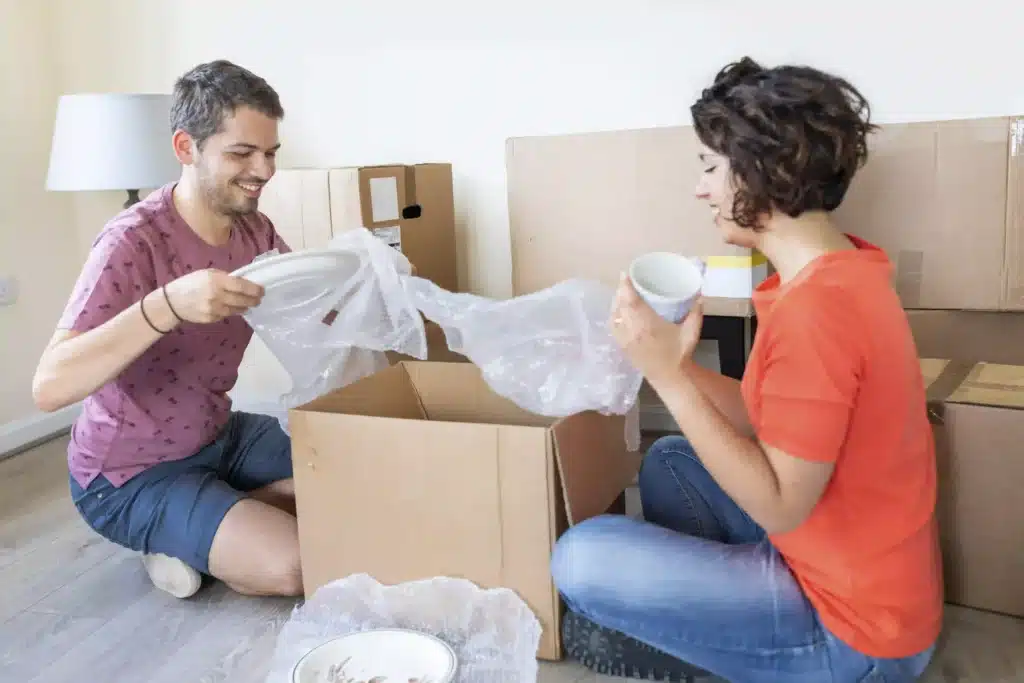
Honestly, choosing essential packing materials for a safe move can feel a bit overwhelming at first because stores have so many options. Thick boxes, medium boxes, double-wall boxes, tape with different adhesives, bubble wrap that comes in small or large bubbles. yeah, the list goes on. But here’s the trick: go for strength, not quantity. There’s no point buying a stack of cheap boxes if they collapse when you lift them.
I’ve talked to professional movers before, and they always say the same thing: “The box is the first line of defense.” When you use high-quality essential packing materials for a safe move, you’re lowering the risk of compression damage, water damage, and accidental drops. Many movers even report that 40% of damaged items came from weak boxes, not mishandling.
Pro Tips: Choosing the Best Materials
- Pick double-wall boxes for kitchen items and electronics
- Get at least 2–3 rolls of premium packing tape (cheap tape peels)
- Buy more bubble wrap than you think
- Use packing paper instead of newspaper
- Don’t skip fragile stickers; movers notice them
How to Actually Pack Items Safely
Packing properly isn’t everybody’s talent, but once you understand the method, it becomes way easier. When I moved recently, I realized how much time I saved by following a consistent system rather than just “putting things in boxes.” Every step supports the next, and all of it depends on using essential packing materials for a safe move correctly.
Here’s a method most professional movers swear by:
- Sort items by category
- Prepare the box with a thick paper or bubble base
- Wrap each item individually
- Fill empty spaces with crumpled paper to prevent movement
- Seal tightly using strong tape
- Label the box clearly on all sides
- Stack according to weight during loading
When you follow this routine with your essential packing materials for a safe move, everything stays much more organized. You’re not just protecting your belongings but you’re also preparing for an easier unpacking process.
If you’re preparing for a relocation and want more than just tips on packing supplies, our Moving service can guide you with full support from packing to transport, making sure everything arrives safely and on time.
Pro Tips:
- Bottom = heavy
- Top = light
- Empty spaces = danger zones
- Tape corners twice
- Label everything
Case Study: What Happens Without Proper Materials?
About a year ago, a small business I knew moved to a new office. They decided to save money by skipping proper essential packing materials for a safe move, thinking “Eh, it’s just a short drive.” Big mistake. Their office monitors were packed in soft boxes with almost no padding. During the move, one box fell sideways in the truck. Two monitors cracked. A few cups broke. And worst of all, important documents got moist because the boxes absorbed humidity from rain.
Replacing those things cost more than what proper essential packing materials for a safe move would’ve cost from the beginning. This case shows something simple: materials are cheaper than damage.
Conclusion
In the end, choosing the right essential packing materials for a safe move is like choosing the right tools before starting any project. The better the tools, the smoother the results. When you pack with proper materials, you save money, stress, and time. plus, you keep your belongings in the condition you want them to arrive in. If you’re planning your next move and want guidance, trusted supplies, or expert moving resources, make sure to visit our website where we share tips, guides, and solutions to help you move smarter, not harder.
Pro Tip: Always buy materials a little more than you think you need. Running out midway is way more stressful than having extras.
Frequently Asked Questions
How many boxes do I need for a small apartment?
Usually around 20-30 depending on how much clothing and kitchen stuff you have.
Can I use garbage bags for clothes?
You can, but boxes are safer and keep their shape better.
Is bubble wrap better than packing paper?
Bubble wrap protects from impact, packing paper prevents scratches. You often need both.
How do I pack glass plates safely?
Wrap each plate individually, stack them vertically and add thick cushioning at the bottom.
Should I label boxes or color-code them?
Both are great. but color-coding speeds up sorting during unpacking.