
What Is Flexible Storage for Growing Businesses?
Flexible storage for growing businesses refers to scalable, on-demand storage solutions that adapt to a company’s changing inventory, equipment, documents, and operational needs. Instead of committing to long-term warehouse leases or overinvesting in space, businesses use adjustable storage options that expand or contract based on seasonal demand, expansion phases, or operational shifts.
In practical terms, this could include short-term warehouse rental, climate-controlled units for sensitive stock, document archiving spaces, or integrated storage services combined with logistics support. The key difference? Agility.
Modern companies operate in volatile markets. E-commerce surges, product launches, pop-up campaigns, international expansion—these all create unpredictable storage demands. That’s why flexible storage for growing businesses has evolved from a convenience to a competitive strategy.
Why Traditional Storage Models Are Failing Scaling Companies

Many businesses start small, using office corners, back rooms, or even employees’ homes for storage. As operations grow, these stopgap solutions quickly become operational risks.
Common Limitations of Traditional Storage
- Long-term lease commitments
- High upfront capital expenditure
- Fixed square footage
- Limited accessibility hours
- Expensive warehouse staffing
According to a 2024 logistics industry survey, over 61% of SMEs reported paying for unused warehouse space during low-demand seasons. That’s wasted overhead.
Flexible storage for growing businesses eliminates this inefficiency by aligning storage capacity with real-time needs.
The Business Case: Why Flexible Storage Is a Growth Catalyst
When companies scale, they face three operational pressures:
- Inventory expansion
- Geographic reach
- Cash flow management
Flexible storage for growing businesses directly addresses all three.
1. Financial Efficiency
Instead of locking into 3–5 year warehouse contracts, companies can:
- Pay monthly
- Upgrade or downsize anytime
- Avoid capital-intensive property investments
2. Operational Agility
Businesses entering new markets can test inventory distribution without committing to permanent infrastructure. Flexible storage for growing businesses enables pilot launches and seasonal campaigns without long-term risk.
3. Risk Reduction
Fire protection, climate control, surveillance systems, and access control dramatically reduce liability compared to unmanaged storage environments.
How Flexible Storage Works (Simple Breakdown)
Below is a simplified process diagram to illustrate:
Inventory Growth → Space Assessment → Scalable Storage Plan → On-Demand Adjustment → Operational Optimization
Step-by-Step Implementation
- Audit current inventory and projected growth.
- Identify seasonal or campaign spikes.
- Choose a scalable storage partner.
- Integrate inventory management tracking.
- Adjust monthly based on real data.
This model ensures flexible storage for growing businesses becomes part of strategic planning—not an afterthought.
Types of Flexible Storage Solutions
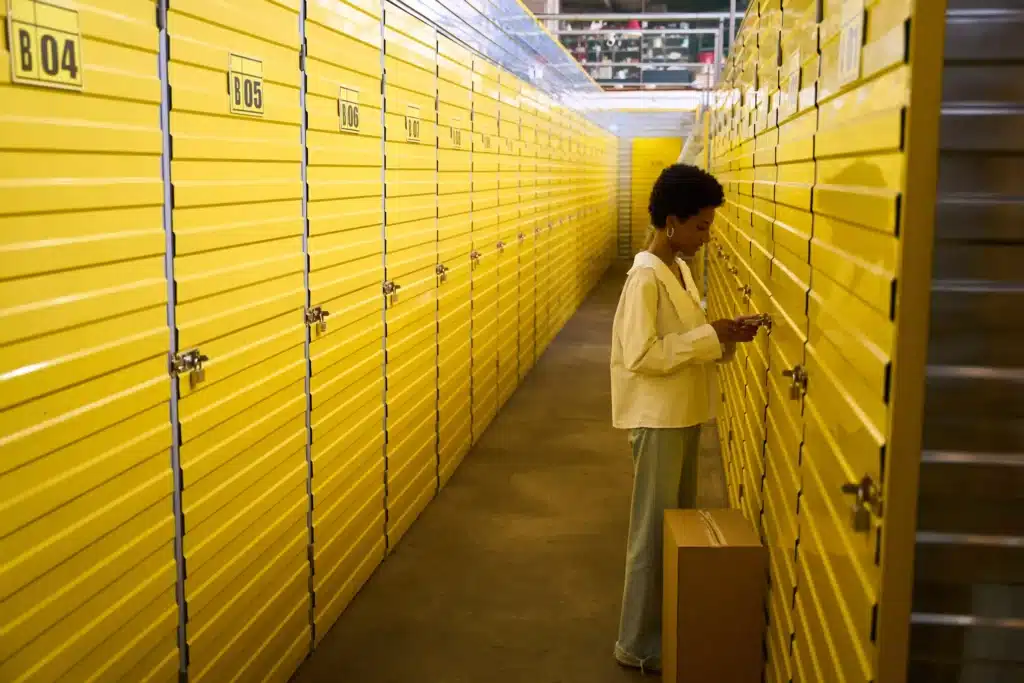
Business Storage Units
Designed specifically for commercial inventory, equipment, and documents.
Climate-Controlled Storage
Ideal for electronics, cosmetics, pharmaceuticals, or archival materials.
Short-Term & Project-Based Storage
Perfect for events, trade shows, and temporary stock overflow.
Integrated Moving & Storage
Combines logistics with warehousing during relocation or expansion.
For companies scaling regionally, flexible storage for growing businesses creates smoother transitions during operational shifts. If you’d like to explore scalable options designed specifically for commercial needs, visit our Flexible Commercial Storage Units in Singapore page. It outlines how adaptable unit sizes, short-term leasing flexibility, and secure facilities help businesses manage inventory growth efficiently without committing to long-term warehouse contracts.
Comparative Table: Traditional Warehouse vs Flexible Storage
| Feature | Traditional Warehouse | Flexible Storage |
|---|---|---|
| Lease Term | 3–5 Years | Monthly / Short-Term |
| Upfront Cost | High | Low |
| Scalability | Limited | Highly Scalable |
| Cash Flow Impact | Heavy | Controlled |
| Risk | Long-Term Liability | Adjustable Commitment |
Data from regional SME storage case studies show businesses reduced overhead by up to 27% within the first year after switching to flexible storage for growing businesses.
Real-World Case Study: E-Commerce Brand Expansion
A mid-sized online apparel retailer experienced a 180% increase in orders during Q4 holiday season. Initially operating from a rented office space, the company struggled with inventory overflow.
After adopting flexible storage for growing businesses, they:
- Expanded storage capacity by 60% during peak months
- Reduced off-season costs by downsizing units
- Improved fulfillment speed by reorganizing stock
Result:
- 22% improvement in order processing time
- 15% operational cost reduction year-over-year
This illustrates how flexible storage for growing businesses becomes a revenue enabler—not just a cost center.
Strategic Advantages Beyond Space
Flexible storage isn’t only about square footage. It influences:
- Supply chain resilience
- Inventory accuracy
- Workplace productivity
- Business continuity planning
With climate-controlled environments and security monitoring, flexible storage for growing businesses protects both physical assets and brand reputation.
Signs Your Business Needs Flexible Storage
You may benefit from flexible storage for growing businesses if:
- Inventory fluctuates seasonally
- Office space feels cramped
- Expansion plans are underway
- You’re launching new product lines
- Warehousing costs strain cash flow
Ignoring storage strategy can quietly erode profitability.
Implementation Blueprint for Decision-Makers
Here’s a strategic planning framework:
Phase 1: Audit & Forecast
- Inventory turnover rates
- Sales seasonality
- Expansion roadmap
Phase 2: Cost Modeling
Compare:
- Warehouse lease cost
- Staffing cost
- Utilities
- Insurance
Phase 3: Pilot Program
Start small with flexible storage for growing businesses and measure operational improvements.
Phase 4: Scale
Increase units as growth stabilizes.
Security, Compliance & Data Protection
Modern storage providers offer:
- 24/7 CCTV monitoring
- Access control systems
- Fire suppression systems
- Climate stability
For industries like healthcare, legal, and retail, secure flexible storage for growing businesses ensures regulatory compliance.
Conclusion
Scaling companies cannot afford rigid infrastructure. Flexible storage creates breathing room for innovation, expansion, and financial control. If your organization is preparing for growth, seasonal demand, or operational restructuring, now is the time to adopt a smarter storage model.
Explore our Business Storage Service to discover secure, scalable, and cost-efficient solutions tailored for growing companies. From inventory overflow to long-term expansion planning, our team helps you design a storage strategy that supports sustainable business growth with confidence.
Visit The Storage Place today to explore customized solutions designed to support your expansion journey and protect your assets with confidence.
Pro Tips:
- Conduct quarterly inventory audits
- Use vertical stacking systems
- Label systematically
- Separate seasonal inventory
- Monitor usage trends monthly
Frequently Asked Questions
What industries benefit most from flexible storage?
Retail, e-commerce, manufacturing, healthcare, legal firms, and startups scaling operations.
Is flexible storage more expensive than leasing a warehouse?
Short-term monthly cost may appear higher per square foot, but total cost of ownership is typically lower due to flexibility.
Can storage units handle large commercial inventory?
Yes. Commercial-grade storage units are designed for palletized goods and business inventory.
How secure are flexible storage facilities?
Most providers offer surveillance, climate control, and secure access systems.
How quickly can businesses scale storage space?
Many providers allow upgrades or downgrades within days, depending on availability.