
Renting a Storage Unit: What It Really Means and Why It Matters
Renting a storage unit is basically the process of paying for a secure space outside your home where you can keep belongings you don’t currently have room for. Many people choose renting a storage unit because it gives them flexibility during moves, renovations, or even life transitions that create clutter or chaos. In simple terms, renting a storage unit acts like an extra room you can rely on. a place that keeps your items protected, organized, and easily accessible without crowding your living space. As storage needs grow, renting a storage unit has become a normal part of modern life, especially for people in cities or anyone dealing with limited space.
Benefits of Renting a Storage Unit

Sometimes people hesitate because they think storage is expensive or complicated, but most are surprised it’s pretty straightforward. Here’s what makes renting a storage unit actually useful:
Extra Space During Big Life Changes
Life doesn’t slow down. moving, renovating, family growing, business stuff piling up. A storage unit becomes a safe temporary home for everything you can’t sort immediately.
Better Home Organization
When you declutter, your house feels bigger. Sometimes even buying new furniture becomes easier because you finally have room.
Security & Peace of Mind
Modern storage facilities often have:
- CCTV surveillance
- PIN code access
- On-site staff
- Fire alarms
- Individual locks
If you’re looking for a flexible place to keep your things safely, our Self Storage service gives you secure units in different sizes, so you can pick the space that actually fits your needs.
Pro Tip: If you’re overwhelmed with stuff, renting a storage unit is like pressing a “pause” button. the chaos may still exist, but it’s out of your way so you can breathe.
How Renting a Storage Unit Works
Even though the process sounds formal, it’s actually easier than renting an apartment. Here’s the usual flow:
1. Choose Unit Size
Common sizes include:
| Unit Size | Best For |
|---|---|
| 5×5 ft | Boxes, small appliances, documents |
| 5×10 ft | Bed, dresser, seasonal items |
| 10×10 ft | 1-bedroom apartment contents |
| 10×20 ft | Full house contents or big inventory |
2. Check the Features
- Climate control
- 24/7 access
- Drive-up access
- Lifts/trolleys
- Indoor vs outdoor units
Choose what actually matters to you, don’t overpay for features you’ll never use.
3. Sign the Agreement
Usually month-to-month. No long contract. You pay monthly like Netflix, except… well, it’s a room, not a TV show.
4. Move Your Items In
Some facilities offer free van service, some don’t. But most have trolleys or ramps to help move heavier items.
5. Lock It and Keep the Key
Simple. You’re the only one with access.
Pro Tip: When renting a storage unit, leave a little walkway inside. It saves tons of time when you need to find something weeks later.
Common Mistakes People Make When Renting a Storage Unit
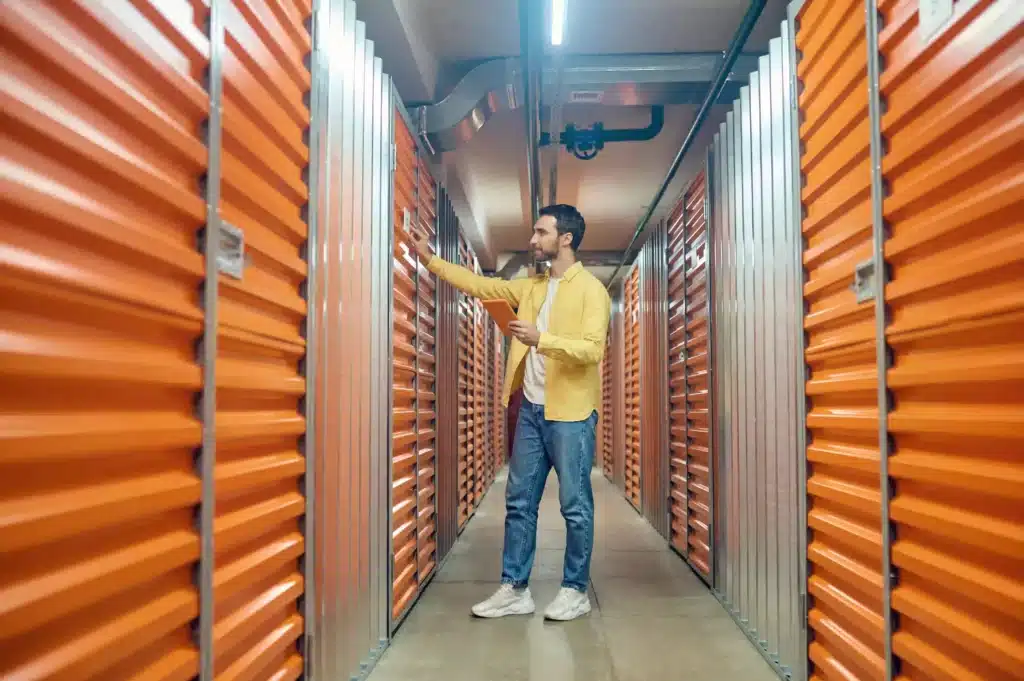
Even though the process is easy, people still mess up sometimes and it’s totally normal.
Choosing the Wrong Size
- Too small = you end up stuffing things like a suitcase before a last-minute flight, and renting a storage unit becomes more stressful than it should be.
- Too big = you’re paying for empty air and wasting money every month for space you don’t even use.
- People often forget to measure furniture or stackable items before renting a storage unit, which leads to miscalculations and frustration on move-in day.
A lot of people get confused about sizes. That’s why checking our Ideal Storage Unit Size guide comes in handy. it shows real examples of what each unit can hold, so you can make a smarter choice before renting a storage unit.
Ignoring Climate Control
Electronics, photos, wood, leather, and fabrics are sensitive to heat and humidity. If you skip climate control while renting a storage unit, you risk:
- Warped furniture
- Moldy clothes
- Damaged electronics
- Faded photos and documents
A climate-controlled unit costs a bit more, but it protects anything that reacts to moisture or temperature swings. which is almost everything people store nowadays. A lot of people don’t realize how big the difference is between a regular unit and a climate-controlled one. This article from SpareFoot about Climate-Controlled Storage gives a straightforward explanation, so you know exactly when it’s worth the extra cost.
Poor Packing
A few mistakes people often make when renting a storage unit:
- Using trash bags instead of proper boxes
- Not labeling anything and forgetting what item is in which box
- Putting heavy items on top of fragile ones because they were in a rush
- Forgetting silica gel or moisture absorbers, which can prevent long-term damage
- Leaving aisles too narrow, forcing you to climb over boxes every time you need something
- Not wrapping furniture legs, mirrors, or glass properly
Good packing saves you hours of digging later and reduces damage when renting a storage unit long-term.
Not Calculating Long-Term Cost
A unit at $30/month sounds cheap… until you accidentally keep it for 12 months, move for work, forget about it, and suddenly you’ve spent $360 without realizing.
- Many people don’t set reminders to reevaluate their unit every 2-3 months.
- Others underestimate how long they’ll need the space when renting a storage unit during renovations or moves.
- Some even keep paying for a large unit when half the items could fit in a smaller, cheaper one.
Always look at the monthly + projected long-term cost, not just the first bill.
Pro Tip: Before renting a storage unit, create a quick checklist:
- What items actually need storing?
- Do they need climate control?
- What size fits them realistically?
- How long will you keep the unit?
- Can you downsize after a few months?
A 5-minute checklist saves money, space, and headaches every time.
Conclusion: Why Renting a Storage Unit Could Be Your Next Smart Move
Renting a storage unit becomes a smart move when you need space, clarity, or a temporary buffer between life changes. Whether you’re downsizing, organizing, or protecting valuable items, renting a storage unit gives you the flexibility to move at your own pace. It’s more than just storing items, it’s creating breathing room, so life feels a little less crowded. If you’re ready to make the process easier and more efficient, check out our website and explore how renting a storage unit can help you gain control over your space again.
Frequently Asked Questions
How much does renting a storage unit cost?
It starts from around $20 -%150 per month depending on size, location, and features.
Can I access my storage unit anytime?
Some facilities offer 24/7 access, while others have specific hours. Always check before signing.
Is climate control necessary?
If you’re storing electronics, photos, documents, fabric, or wood, yes, It helps prevents damage.
Do storage facilities provide locks?
Some do, some don’t. Many ask you to buy a lock so only you have the key.
Can I store food or hazardous items?
No. Most facilities perishables, chemicals, aerosols, or anything flammable.