
Storage for excess business inventory gives companies a practical place to keep surplus stock, seasonal products, packaging supplies, equipment, or archived items when the office or shop no longer has enough room. Instead of moving into a larger commercial space just to accommodate extra stock, businesses can use a dedicated storage unit and keep their main workplace focused on daily operations.
This can be particularly useful in Singapore, where space is limited and businesses may need to balance inventory levels with rental and operating costs. The right storage arrangement can make excess stock easier to organize, access, and manage without turning the workplace into an unofficial warehouse.
Why Do Businesses End Up With Excess Inventory?

Excess inventory is not always a sign of poor planning. It can happen simply because demand changes, a business prepares for a busy period, or a company needs to buy products in larger quantities to maintain supply.
Some common situations include:
- Seasonal products left over after a peak sales period
- E-commerce stock that has outgrown a home office or small workspace
- Extra packaging materials such as cartons, labels, and bubble wrap
- Promotional merchandise for future events
- Spare equipment and office furniture
- Products waiting to be distributed to different outlets
- Imported goods that are not needed immediately
- Business documents and records that are rarely accessed
For example, an online clothing retailer may order a large quantity before a festive sales campaign. Once the campaign ends, the remaining clothes still have value, but keeping several hundred boxes inside the office makes daily work difficult. Moving the slower-moving stock into a storage unit can free the office while allowing the business to keep the inventory.
What Are the Benefits of Storing Excess Business Inventory?
Storing surplus inventory separately can reduce workplace clutter, improve stock organization, and give a growing business more flexibility. It can also be a more practical option than taking on a larger commercial lease before the business actually needs one.
Free Up Valuable Business Space
When boxes are stacked around an office, shop, or studio, usable working space disappears quickly. Employees may have less room to move around, while shelves and desks become crowded with products rather than being used for their intended purpose.
A dedicated storage unit separates stock from the main workspace. This is especially useful for small retailers, e-commerce sellers, wholesalers, and businesses operating from compact premises.
Avoid Renting More Space Too Early
A business does not necessarily need a full warehouse simply because inventory has increased.
Self-storage allows companies to rent only the amount of space they currently require. The Storage Place, for example, provides different unit sizes and allows businesses to upsize or downsize when space is available. Its storage facilities are also used for business inventory, office equipment, documents, and other operational items.
This makes storage useful during periods when inventory fluctuates rather than staying at the same level throughout the year.
Keep Inventory Better Organised
Excess stock becomes much harder to manage when everything is kept in one crowded room. A storage unit gives businesses an opportunity to divide inventory by product type, SKU, season, or sales priority.
A simple system might separate:
- Fast-moving inventory
- Slow-moving inventory
- Seasonal stock
- New products
- Packaging materials
- Promotional items
Shelving, labelled cartons, inventory spreadsheets, and barcode systems can then be used to make stock easier to locate.
Support Seasonal Business Demand
Retail and e-commerce businesses often experience periods where inventory suddenly increases. Singapore’s retail market also has a significant online component. For example, the Singapore Department of Statistics reported that online retail sales accounted for 14.8% of total retail sales in December 2025, with online sales representing 17.0% when motor vehicles were excluded.
For online sellers, this can mean holding more stock before major shopping periods, product launches, or promotional campaigns. Temporary business storage can provide breathing room without requiring a permanent expansion of the company’s premises.
Self-Storage or Warehouse: Which Is Better for Excess Inventory?
The better option depends mainly on the amount of stock, how frequently it needs to move, and what additional logistics services the business requires.
| Factor | Self-Storage | Traditional Warehouse |
|---|---|---|
| Space requirement | Small to medium | Medium to very large |
| Rental flexibility | Generally more flexible | Often longer-term |
| Suitable for | SMEs, retailers, e-commerce sellers | Large-scale inventory operations |
| Access | Convenient for businesses needing regular access | Depends on warehouse arrangement |
| Cost control | Pay for the space required | Better suited to large volumes |
| Scalability | Easier to change unit size | Expansion may require a new arrangement |
| Additional logistics | May be available depending on provider | Often stronger for large-scale fulfilment |
For a small company with several shelves of excess products, a full warehouse can be unnecessary. On the other hand, a distributor handling pallets of stock every day may need dedicated warehouse and fulfilment infrastructure.
The key is to match the storage solution to the actual inventory workflow rather than choosing the biggest space available.
How Should You Prepare Excess Inventory for Storage?
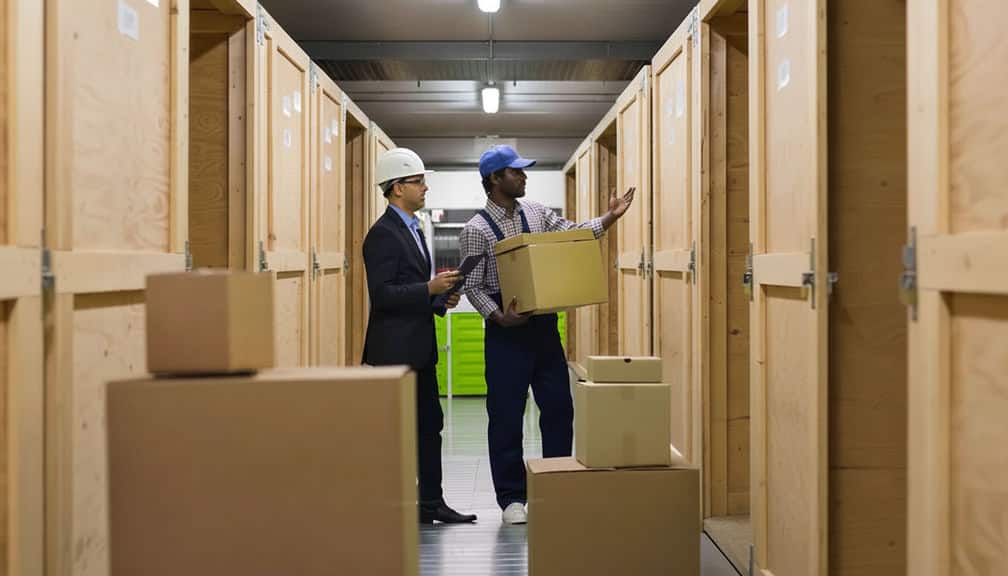
Good preparation matters because poorly packed inventory can become difficult to find or move later.
Follow these steps before moving stock into storage:
- Review the inventory first. Separate products that are active, seasonal, damaged, obsolete, or waiting for disposal.
- Group similar products together. Keep related SKUs and product categories in clearly labelled sections.
- Use suitable packaging. Strong cartons, protective wrapping, and proper containers help reduce the risk of damage.
- Label every box. Include the product name, SKU, quantity, and storage location where possible.
- Create an inventory record. A spreadsheet or inventory management system can record what was placed into storage and when.
- Keep frequently needed items accessible. Avoid placing regularly retrieved stock behind several layers of boxes.
- Check the facility’s storage rules. Some goods, including flammable, explosive, perishable, illegal, or otherwise unsafe materials, may not be accepted.
Before choosing a facility, it is also worth checking its access arrangements, security measures, location, and storage conditions. Businesses comparing providers can refer to this guide on how to choose a safe and secure storage before making a decision.
A Simple Example: Excess Inventory From an Online Store
Consider a small homeware business selling kitchen accessories online. During a major promotion, the owner purchases additional stock at wholesale prices. Sales slow down after the promotion, leaving several dozen cartons that are unlikely to be sold immediately.
Instead of filling the office with boxes, the company moves the surplus products into business storage. Fast-moving products remain close to the packing area, while slower-moving inventory stays in the storage unit.
The result is fairly simple: the business keeps its stock without allowing excess inventory to take over the workspace.
This type of arrangement is particularly useful for businesses that are growing but are not yet ready to commit to a larger warehouse.
What Should Businesses Look For in Inventory Storage?
The cheapest unit is not necessarily the most suitable one. A storage facility should fit the way your business actually operates.
Look for:
- Appropriate unit sizes
- Convenient access hours
- Reliable security and controlled access
- A location that works for your staff or delivery arrangements
- Flexible rental terms
- Clear pricing and additional charges
- Availability of moving or transport services
- Packing materials and other useful support
- The ability to change storage size as inventory changes
For companies specifically looking for dedicated space to keep stock, equipment, or other business items, business storage solutions can be a practical option when the existing office or retail space is no longer enough.
The Storage Place has more than a decade of experience across the logistics, moving, and storage industry, with its Singapore operation established through Maker Trading Pte Ltd in 2008. It currently provides storage facilities in several locations around Singapore and offers business-oriented storage alongside moving and logistics services.
That broader experience can be useful for companies that need more than simply a room to put their boxes.
Conclusion: Find Storage That Fits Your Business
Excess inventory is a normal part of running a growing business, but it does not have to take over your office, shop, or home. Storage for excess business inventory can give companies additional room to operate while keeping surplus products organised and accessible.
The right solution should provide enough space without forcing a business to pay for a warehouse it does not yet need. If you are looking for flexible business storage in Singapore, The Storage Place provides self-storage options for inventory, equipment, documents, and other business items, with multiple facility locations and integrated moving and logistics services. Visit The Storage Place to explore business storage options
Frequently Asked Questions About Storage for Excess Business Inventory
What is the best storage for excess business inventory?
The best option depends on inventory volume, access frequency, location, and budget. For small and growing businesses, self-storage can be suitable because companies can rent a unit based on the amount of stock they actually need to store.
Can I store e-commerce inventory in a self-storage unit?What should I put in storage during a renovation?
Yes, provided the products comply with the facility’s storage rules. E-commerce businesses can use storage units for products, packaging materials, promotional items, and other business inventory. The Storage Place specifically lists business inventory among the items that can be stored in its units.
Is self-storage cheaper than renting a warehouse?
It can be more cost-effective for businesses that only need a small or moderate amount of additional space. A warehouse becomes more appropriate when inventory volume, handling, fulfilment, or logistics requirements become substantial.
How do I organise excess inventory in storage?
Group stock by SKU or product category, use strong labelled boxes, keep an inventory record, and leave clear access paths to frequently needed products. A simple storage map can also help staff locate items without opening every box.
How much storage space does my business need?
Estimate the number and size of cartons, shelves, furniture, or other items that need to be stored, then allow some room for access and future inventory. Storage providers can also help estimate the appropriate unit size based on the type and volume of goods.