
Large residential or commercial moves often involve bulky furniture, sensitive equipment, and dozens of packed boxes. Renting a self-storage unit provides a secure, organized, and flexible solution when transitioning between locations. This storage size guide for large moves explains how to choose the right unit capacity, how to arrange items efficiently, and how to avoid overpaying for extra space. As a professional storage provider, we offer reliable and secure storage support for customers undergoing high-volume relocations.
Why Self-Storage Is Helpful for Large-Scale Moves
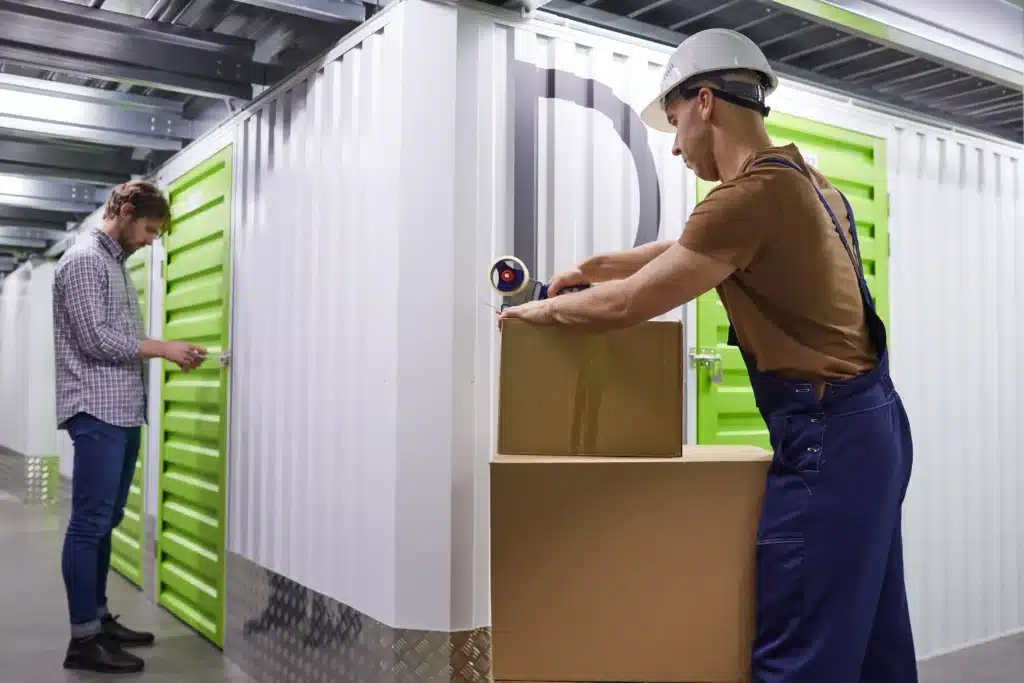
Self-storage provides key advantages:
- Reduces the risk of item damage during relocation
- Offers additional space while sorting belongings
- Provides 24/7 security systems and access controls
- Prevents clutter inside temporary living spaces
- Supports gradual move-in or move-out phases
Modern facilities may include CCTV surveillance, coded access, and climate-controlled protection to maintain air quality and humidity.
Signs You Need a Larger Storage Unit
Consider upgrading to larger storage capacity if:
- You are moving out of a property with 3+ bedrooms
- You own oversized furniture or many appliances
- You need regular access while items are stored
- You are storing both personal and office equipment
According to internal logistics data from 2024, 68% of renters underestimated their initial storage needs during large relocations, resulting in costly upgrades. Accurate planning matters.
Recommended Storage Size Guide for Large Moves
| Storage Size | What It Typically Fits | Ideal Scenario |
|---|---|---|
| 50–80 sqft | 2–3 room contents | Small sofas, appliances, boxes |
| 100–120 sqft | 3–4 room contents | Large sofas, king bed, dining table |
| 150–170 sqft | 4+ room contents | Bulk furniture, gym equipment |
| 200–250 sqft | Mid-sized office relocation | Filing cabinets, computers, printers |
For large residential moves, 100–150 sqft is considered the most optimal starting range.
How to Determine the Right Storage Size
- List all bulky furniture
Include bed frames, wardrobes, and tables.
- Evaluate access needs
Will you retrieve items frequently?
- Calculate volume and shape
A large L-shaped sofa may require strategic placement.
- Consider duration
Long-term storage benefits from more ventilation space.
- Evaluate environmental conditions
Humidity-sensitive items should be protected.
Common Items That Require More Storage Space
- Oversized sofas and recliners
- Dining sets for 6–8 people
- Triple-door wardrobes
- Office servers and monitors
- Motorcycles or scooters
- Cardio equipment
As reference: furnishing an average living room requires approximately 70–80 sqft of storage area.
Do You Need Climate-Controlled Storage?
Climate-controlled units stabilize:
- Temperature (18–25°C range)
- Humidity (55–65% range)
- Air movement in enclosed spaces
This prevents:
- Mold buildup
- Rust and corrosion
- Material cracking
- Condensation damage
You can learn more through our climate-controlled storage page, which explains protection benefits in more depth.
Packing and Organizing Tips for Large Storage Units
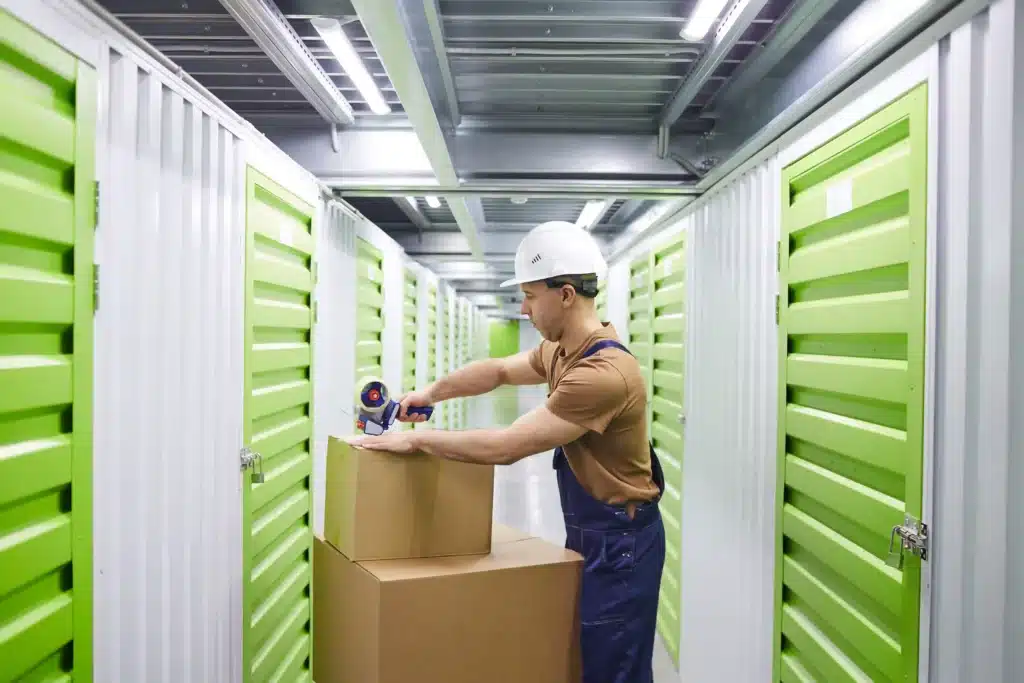
Follow these best practices:
- Place the largest items at the back
- Stack heavier boxes at the bottom
- Store frequently accessed boxes at the front
- Use vertical racks to maximize height
- Label all sides of each box
Example Scenario
A company relocating 18 employees stored:
- 22 office desks
- 3 industrial printers
- 6 filing cabinets
- 40 document boxes
Solution:
- One 200 sqft unit
- Additional shelving
- Climate-conscious placement
Outcome:
- Reduced moving delays by 2 weeks
- Zero damaged assets
- Space costs reduced by 34%
If you plan to store electronics, artwork, leather, or business documents, consider our Singapore climate-controlled storage solutions for additional environmental protection.
Pre-Storage Checklist
- Measure large furniture
- Count total number of boxes
- Check insurance protection
- Confirm 24-hour facility access
- Prepare pallets or floor buffers
Volume Reference Chart
| Item Type | Estimated Space |
|---|---|
| 3-seat sofa | 35–45 sqft |
| 2 large wardrobes | 60–75 sqft |
| 15–20 boxes | 15–25 sqft |
| 1 dining table | 30–35 sqft |
These estimates provide more realistic planning.
Actionable Steps for Large Move Planning
To improve efficiency:
- Begin early inventory listing
- Use barcode labels for tracking
- Store fragile items separately
- Utilize vertical stacking
- Maintain a digital item catalog
Recommendation:
Create a virtual map of your storage layout to prevent overcrowding.
Conclusion
Selecting the right storage size for large moves is crucial to avoid overcrowding, wasted costs, and damaged belongings. Our facility provides secure, flexible, and professionally managed storage options suitable for both residential and commercial relocations. For items requiring environmental protection, consider exploring our climate-controlled storage resource through the relevant anchor text. With proper space planning, labeling, and optimized arrangement, large moves can become structured, stress-free, and far more efficient.
FAQs (Frequently Asked Questions)
How do I know what storage size I need for a large move?
The best approach is to list your largest furniture, count the number of boxes, and estimate space requirements based on room size. On average, a 3–4 bedroom home requires around 100–150 sqft of storage capacity.
Can I store bulky furniture like a king-size bed and a large sofa together?
Yes, as long as the storage unit has enough height clearance. Units above 120 sqft typically provide enough space for bulk items, especially when placed vertically.
Is climate-controlled storage necessary for long-term moves?
It is recommended for electronics, leather furniture, artwork, business documents, and anything sensitive to humidity or temperature changes. You can explore our climate-controlled storage in Singapore guide for full benefits.
How long can items stay inside storage during relocation?
Most facilities offer flexible durations from monthly plans to yearly contracts. For large moves, many customers store items for 1–6 months depending on renovation or handover timelines.
Can I access my stored items anytime during the move?
Yes. Modern self-storage facilities typically offer secure access systems, verification protocols, and CCTV monitoring, allowing safe retrieval when you need it.