
Understanding the True Meaning of Storing Business Equipment
Most people think storing business equipment is just about putting things into a room and locking the door, but in reality, it shapes how a company works every single day. I’ve seen businesses where equipment gets tossed randomly into whatever empty corner is available, and eventually someone wonders why stuff breaks so fast or seems to vanish right when it’s needed. When storing business equipment is done thoughtfully, it becomes a quiet system that keeps everything running smoothly, almost like having an organized assistant that never complains. And honestly, once you see how predictable and easy work becomes with proper storage, it’s kind of surprising why more teams don’t invest in this from the start.
If you’re curious about the benefits of storage equipment for a business, you can check out this article for a simple breakdown.
Why Many Businesses Ignore Equipment Storage
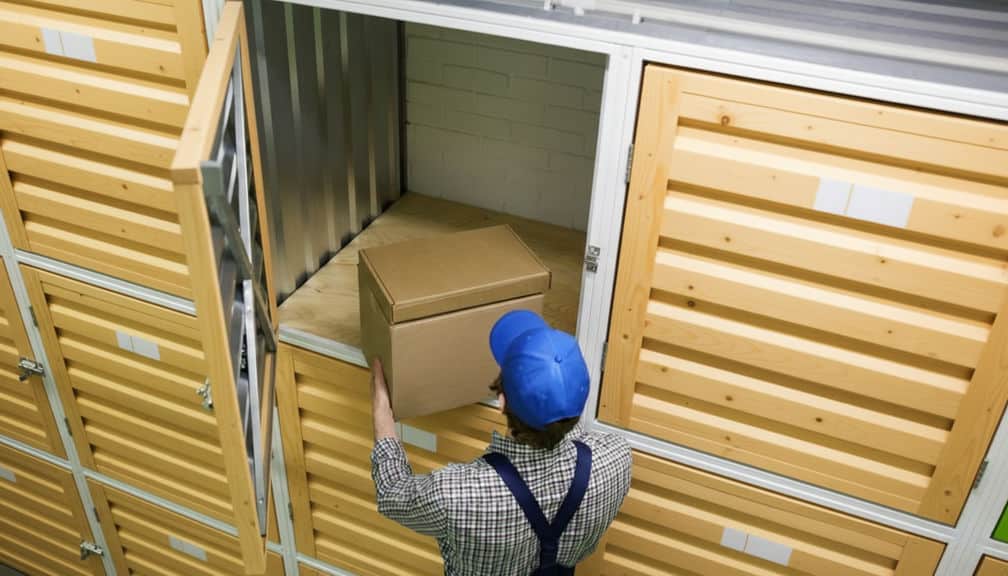
It’s strange how often storing business equipment is the very last thing managers worry about, even though poor storage is usually behind lost items, equipment failure, and slower productivity. Sometimes small operations feel like they’re too busy to organize, or maybe they think their basic storage routine is “good enough,” but as the days go by, those tiny inefficiencies stack up like dominos. What looks like a harmless mess becomes an expensive mess, and eventually someone has to pause everything to deal with it. When storing business equipment gets overlooked, it invites chaos, delays, safety risks, unnecessary repairs and that usually costs more than a proper storage plan ever would.
Hidden Problems That Come from Poor Storage
- Rapid deterioration of tools
- Bottlenecked workflow
- Misplaced inventory
- Costly replacements
- Higher accident risks
If you’re trying to figure out whether a storage unit can actually help your business grow, this article breaks it down with practical examples and simple explanations, take a look at our guide on Growing Your Business With a Storage Unit.
Pro Tip: Observe how often employees say, “Where did we put that thing?” It’s usually the first red flag that your system for storing business equipment isn’t working.
The Core Structure Behind a Reliable Storage System
Once a business understands how essential storing business equipment is, the next step is designing a system that doesn’t collapse after a busy week. A solid structure includes knowing what you own, how fragile each item is, who uses it, and how often it moves. Without this clarity, storage turns into random guesswork. I’ve seen companies store laptops next to heavy machinery or leave sensitive tools near open windows, and all of that speeds up damage. When storing business equipment follows an intentional system, labeling, zoning, environmental control, and scheduled reviews. it ensures consistency even when things get chaotic.
Simple Storage Framework Overview
| Category | Examples | Best Storage Type | Why It Matters |
|---|---|---|---|
| Digital tools | tablets, scanners | padded drawers | prevents shock damage |
| Mechanical gear | drills, welders | ventilated racks | reduces rust & hazards |
| Seasonal items | banners, tents | sealed boxes | avoids mold & wear |
| Fragile equipment | sensors, glassware | isolated shelves | prevents breakage |
Pro Tip: Keep a “frequently used” zone for smoother storing business equipment rotation.
How Great Storage Quietly Increases Daily Efficiency
I’ve watched entire teams move faster overnight just because they revamped the way they were storing business equipment, and the difference was honestly shocking. When items live in predictable places, employees don’t waste minutes wandering around searching. Those extra minutes eventually become hours saved every month, which adds up more than most people realize. Not to mention, a clean and structured space reduces mental clutter. people work better when the environment isn’t chaotic. Proper storing business equipment also reduces breakdowns, because tools aren’t left in places that expose them to heat, moisture, or accidental bumps.
Efficiency Benefits
- Faster training for new staff
- Smooth retrieval process
- Longer equipment lifespan
- Lower monthly upkeep cost
- Better workplace mood
Pro Tip: Try shadowing your team for one day and notice how often storing business equipment affects their movement and decisions.
Step-by-Step Guide to Setting Up a Storage System That Actually Works
A lot of companies try to organize equipment all at once, which usually ends with everyone frustrated and tired. A better approach is breaking the process into slow, manageable parts. When storing business equipment using a structured step-by-step approach, you reduce overwhelm and prevent mistakes that cause more clutter. Moving too fast often creates mislabeled zones or piles of random items that no one knows what to do with. But when you move methodically, the system becomes long-lasting and easier to maintain.
6 Practical Steps
- Inventory Everything
List all items you own. It sounds boring, but accurate storing business equipment begins with knowing what’s actually there.
- Sort by Usage Frequency
Daily-use items should be closest. Rare-use gear can go deeper. This keeps storing business equipment intuitive.
- Assign Storage Categories
Choose shelves, bins, racks, or cases depending on weight and fragility.
- Label Clearly
A simple labeling system helps prevent confusion, especially when multiple people handle storing business equipment.
- Limit Access to Important Tools
This reduces loss and speeds up audits.
- Schedule Monthly Reviews
Equipment needs shift over time, so check placements regularly to keep storing business equipment accurate.
Pro Tip: Use color-coded labels to quickly identify zones during rush hours.
Case Study: How a Retail Store Reduced Loss by 25% Using Better Storage
A retail business in North Malaysia struggled for years because they weren’t carefully storing business equipment, especially digital tools like scanners and pricing devices. Employees often borrowed items without logging them, and a lot of tools simply vanished. After analyzing their system, they introduced a digital logbook, temperature-controlled cabinets, and a new zoning layout. Within six months, missing equipment dropped by 25%. Their repairs also dropped because equipment finally had proper resting places. This case shows how much impact the practice of storing business equipment can have even in small stores where budgets are tight.
Pro Tip: Consider pairing digital logs with visual maps for easier tracking.
Final Thoughts
At the end of the day, storing business equipment isn’t just about clearing floors or organizing shelves, it’s about protecting your investment, improving workflow, and helping your team work without unnecessary stress. The more thoughtful your system is, the easier it becomes to maintain stability in busy periods. And if you want to explore more tips, long-form guides, or structured frameworks that help businesses fix their storage problems. For more practical tips, you can explore our guides on The Storage Place. And if you need secure space for equipment, check out our Business Storage service.
Pro Tip: Start small, stay consistent, and let your storage system grow naturally with your business.
Frequently Asked Questions
Are digital devices more sensitive to improper storage?
Yes, because climate and shock impact their internal components.
How do I prevent equipment from getting lost?
Create access rules, log every item, and use consistent labeling.
What is the safest way to store fragile equipment?
Use padded containers and avoid storing fragile items near heavy tools.
How often should storage areas be cleaned?
Once a week is ideal, but monthly deep cleaning helps prevent long-term damage.
Do small businesses really need a storage system?
Yes. even small setups lose money when tools get damaged or misplaced.