
When planning a move, packing properly is one of the most important steps to ensure your items arrive safely. Tips for choosing boxes and protective materials help you pick the right containers, wrap fragile items securely, and ultimately reduce damage during transport. Whether you’re moving locally or across the country, understanding what kind of boxes and protective supplies to use can save both time and money.
Using the wrong type of box or insufficient protective materials can result in broken items, missing pieces, or even costly replacements. With proper planning, you can select sturdy boxes, suitable fillers, and reliable wrapping methods that make moving less stressful and more efficient.
Types of Boxes to Consider
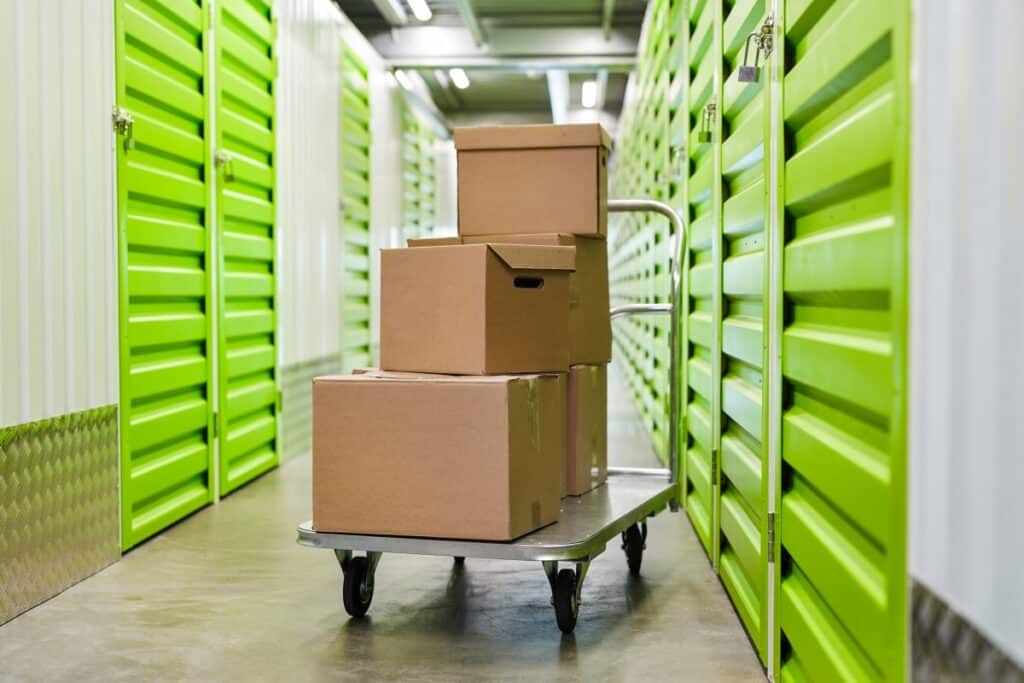
Choosing the right boxes starts with knowing the common types and their best uses. Here’s a quick overview:
| Box Type | Best For | Notes |
|---|---|---|
| Standard Cardboard Boxes | Books, kitchenware | Durable, cost-effective, widely available |
| Wardrobe Boxes | Clothes, coats | Comes with a hanging bar for garments |
| Heavy-Duty Moving Boxes | Electronics, fragile items | Thicker walls, supports heavier weight |
| Dish Pack Boxes | Plates, glasses, fragile kitchen items | Comes with dividers for extra protection |
| Plastic Bins | Long-term storage, outdoor moves | Waterproof, reusable, stackable |
Always buy new or gently used boxes. Overused boxes can weaken and fail under heavy weight.
Choosing Protective Materials
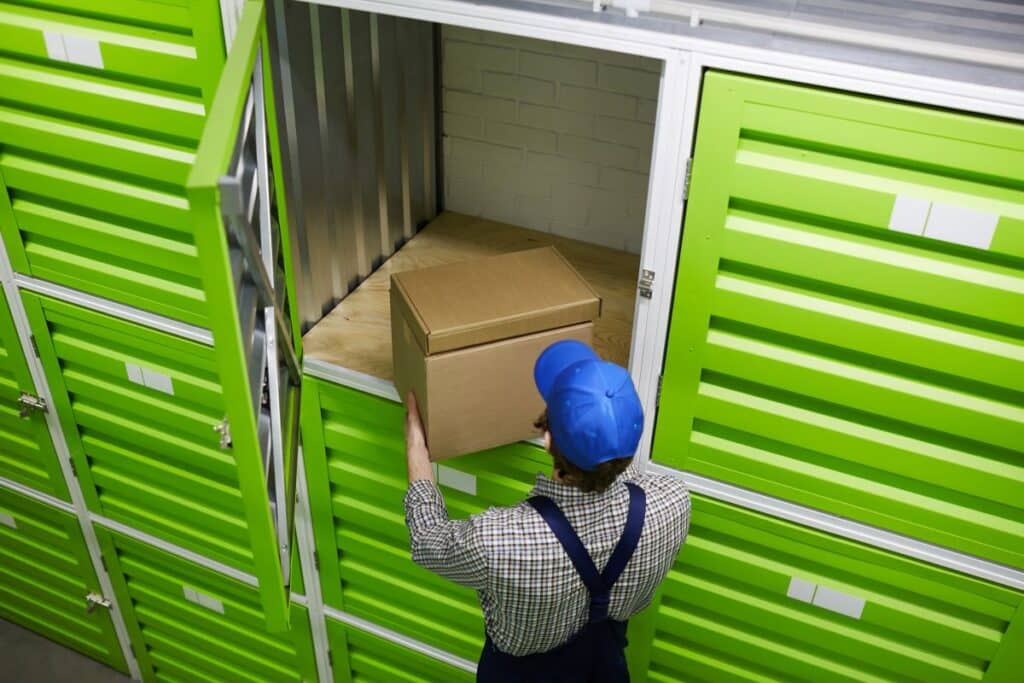
Not all protective materials are equal. Using the right supplies and following expert tips for choosing boxes and protective materials ensures your items survive bumps, drops, and shifting during transport. Here’s what to consider when selecting boxes and packing materials:
Common Protective Materials
- Bubble Wrap: Excellent for fragile items like glassware or electronics. Multiple layers increase safety and follow best practices for choosing boxes and protective materials.
- Packing Paper: Ideal for filling empty spaces in boxes to prevent items from shifting. A key part of proper protective material use.
- Foam Sheets or Peanuts: Perfect for delicate shapes that need cushioning on all sides, supporting safe transport.
- Stretch Wrap: Keeps items like furniture together and protects against scratches during moves.
- Corner Protectors: Essential for mirrors, framed art, and tables. Adds another layer of protection when following tips for choosing boxes and protective materials.
Step-by-Step Packing Strategy
- Start with heavy items first: Place them at the bottom of the box to maintain stability.
- Wrap each item individually: Use bubble wrap or foam, in line with recommended tips for choosing boxes and protective materials.
- Fill gaps: Use peanuts, paper, or soft clothing to fill empty spaces and prevent movement.
- Label your boxes: Fragile items should be marked clearly.
- Stack carefully: Keep heavier boxes at the bottom and lighter ones on top to avoid crushing.
How Box Quality Impacts Safety
High-quality boxes matter more than most movers realize. Thin or worn-out boxes crush easily, putting your belongings at risk. Following expert tips for choosing boxes and protective materials ensures you select strong, reliable containers for a safer move. Experts recommend boxes with an ECT (Edge Crush Test) rating of 32 or higher for moving purposes. A stronger box reduces the chance of bending or collapsing, especially when stacked in a moving truck.
Additionally, choosing double-walled boxes for fragile items adds another layer of protection. For example, dish pack boxes are usually double-walled and include dividers, making them perfect for plates and glassware—an essential part of choosing boxes and protective materials correctly.
For those planning large moves, it’s also crucial to choose the right storage size for your belongings. Our storage size guide for large moves helps you select the proper storage units and boxes for a seamless relocation while following best tips for choosing boxes and protective materials.
Real-World Case Study
A 2023 survey by MoveSmart reported that 52% of broken items during moves were due to improper packaging, including weak boxes and insufficient padding. Customers who used double-walled boxes and multiple protective layers reported a 90% lower damage rate, proving that following proper tips for choosing boxes and protective materials significantly reduces risk.
This demonstrates that investing in high-quality boxes and packing materials isn’t just a suggestion, it’s a necessity for a safe, stress-free move.
Visual Guide: Packing Fragile Items
| Layer | Description |
| Top Layer | Bubble wrap covering items. |
| Middle Layer | Fragile items separated by foam sheets/dividers. |
| Bottom Layer | Heavy padding layer. |
| Empty Spaces | Filled with packing paper/foam peanuts. |
Conclusion & Actionable Pro Tips
Proper packing starts with the right boxes and protective materials. Here’s a simple checklist:
- Choose high-quality boxes (double-walled for fragile items).
- Use bubble wrap, foam sheets, and paper for extra protection.
- Label boxes clearly and stack wisely.
- Plan according to storage needs and moving distance.
For more moving advice, visit our website for expert guides and tools to make your relocation smooth and worry-free.
FAQs (Frequently Asked Questions)
Can I reuse old boxes for moving?
You can reuse lightly used boxes, but avoid ones with water stains or crushed corners, they can break easily.
How much bubble wrap do I need per box?
It depends on item fragility. Fragile kitchenware usually needs 2-3 layers per item, plus extra for gaps.
Should I buy custom-sized boxes?
Only if you have irregularly shaped or large items. Standard boxes are usually sufficient for most household items.
What’s the best filler for heavy boxes?
Packing paper is great because it stabilizes items without adding too much weight. Foam peanuts work too.
How do I protect electronics during a move?
Wrap individually in anti-static bubble wrap, place in a sturdy box, and fill any empty space with foam sheets or paper.