
A storage rental unit provides extra space for household belongings, furniture, seasonal items, and business inventory. However, knowing what not to store in a storage rental unit is just as important as choosing the right unit size. Certain items may create safety risks, attract pests, deteriorate in Singapore’s humid climate, or violate a facility’s rental agreement.
Whether you are moving home, renovating your property, or clearing space for your business, understanding storage restrictions helps protect your belongings and other people using the facility. The Storage Place offers storage solutions in Singapore, but customers should always confirm the facility’s current rules and prepare their belongings appropriately before moving them into storage.
Why You Should Check What Can Go into a Storage Rental Unit
Not every possession is suitable for self-storage. Some items require refrigeration, regular care, specialized environmental conditions, or security arrangements that a standard storage unit may not provide.
Before renting a unit, check the rental agreement, prohibited-items policy, insurance terms, and any special handling requirements. These precautions can help prevent damage, additional costs, and problems during your rental period.
7 Items You Should Avoid Storing in a Storage Rental Unit

The following seven categories deserve particular attention before you pack your belongings. Some should never be placed in a standard storage unit, while others may require specialized arrangements or should remain with you.
1. Perishable Food and Open Food Products
Fresh food, dairy products, meat, and other perishables should not be stored in a regular storage rental unit. Without appropriate refrigeration, these items can spoil, produce unpleasant odours, and attract insects or rodents.
Even packaged food can cause problems if its packaging is damaged or it attracts pests. This is particularly important in Singapore, where warm temperatures and humidity can accelerate food spoilage.
What to do instead:
- Consume, donate where appropriate, or dispose of perishable food before moving.
- Keep food that requires refrigeration in a suitable refrigerator.
- Avoid placing opened food packages, crumbs, or food waste in storage boxes.
- Check the facility’s policy before storing any sealed, shelf-stable food products.
2. Cash, Jewellery, and Irreplaceable Valuables
Cash, expensive jewellery, passports, and irreplaceable personal documents are generally better kept in a secure location under your direct control. A storage unit may have security measures, but these do not guarantee that every item will be protected against theft, fire, water damage, or other unexpected events.
Insurance coverage also varies. Some policies exclude cash, jewellery, collectibles, or documents, so do not assume that your rental agreement automatically protects their full value.
What to do instead:
- Keep passports, identification documents, and essential records accessible.
- Use an appropriate secure location for cash and jewellery.
- Check insurance exclusions and claim limits before storing valuable possessions.
- Maintain digital copies of important documents where appropriate, using secure access controls.
3. Hazardous, Flammable, or Reactive Materials
Flammable liquids, fuels, gas cylinders, fireworks, corrosive chemicals, and other hazardous materials can create serious fire, leakage, or exposure risks. These items are commonly prohibited in storage facilities and should never be placed in a unit unless a facility explicitly permits a suitable, legally compliant arrangement.
Household products also require attention. Certain cleaning chemicals, paints, solvents, and products with warning labels may be restricted even when they are commonly used at home.
What to do instead:
- Review product labels and follow the manufacturer’s storage instructions.
- Check the facility’s prohibited-items list before packing chemicals or similar products.
- Keep hazardous products out of ordinary self-storage units.
- Follow local requirements for safe disposal of unwanted chemicals and other hazardous waste.
Never assume that a tightly sealed container makes a hazardous product safe for storage.
4. Illegal or Restricted Items
A storage rental agreement does not provide permission to keep unlawful goods on the premises. Storing prohibited or illegal items may expose the renter and facility operator to legal, contractual, and safety consequences.
Rules can differ according to the type of item and the applicable Singapore regulations. When an item’s legal status or storage requirements are unclear, seek clarification from the relevant authorities or the storage provider before making arrangements.
What to do instead:
- Ensure all stored possessions are legally owned and permitted.
- Read the rental agreement carefully.
- Ask the facility about unclear restrictions before moving items in.
- Do not use a storage unit as a substitute for legally required storage arrangements.
5. Firearms, Ammunition, and Other Regulated Weapons
Firearms, ammunition, and other regulated weapons should not be placed in an ordinary storage rental unit. Their possession, handling, and storage may be subject to specific legal requirements, and a standard self-storage facility is not necessarily equipped or authorised to accommodate them.
Facility policies may prohibit these items altogether. Never assume that a general rental agreement permits their storage.
What to do instead:
- Check the applicable Singapore laws and official requirements.
- Contact the relevant authorities if you need clarification about regulated items.
- Follow any legally required storage arrangements rather than relying on an ordinary storage unit.
6. Live Animals and Plants
Storage rental units are designed for belongings, not as living environments for animals or plants. Animals require appropriate food, water, ventilation, temperature conditions, and ongoing care. Plants also need suitable light, water, and environmental conditions.
Leaving living things in an unattended storage unit can cause distress, deterioration, or serious welfare concerns. Most conventional storage facilities prohibit using units to house living organisms.
What to do instead:
- Arrange suitable pet care if you are moving or travelling.
- Ask a trusted person to care for plants or use an appropriate plant-care service.
- Check the facility’s rules before storing gardening supplies or other plant-related materials.
7. Items That Are Not Properly Insured or Protected
Uninsured belongings are not automatically prohibited from storage, but placing valuable possessions in a unit without understanding the available protection can expose you to unexpected financial loss.
The coverage available depends on the insurance policy, the items being stored, the cause of damage, and the policy’s exclusions and limits. Some rental agreements may also impose specific insurance requirements.
What to do instead:
- Review your existing home or business insurance policy.
- Ask whether off-site storage is covered and whether any limits apply.
- Check the facility’s liability provisions and insurance requirements.
- Photograph valuable belongings and keep an inventory with receipts or other proof of value where available.
Do not assume that the storage provider’s security measures or liability arrangements replace your own insurance coverage.
Comparison Table: Items to Avoid and Safer Alternatives
The easiest way to prepare for storage is to identify items that require special handling before packing. Use this table as a quick checklist, but always confirm the storage provider’s current policies.
| Item category | Main concern | Recommended alternative |
|---|---|---|
| Perishable food | Spoilage and pests | Consume or dispose of before storage |
| Cash and jewellery | Theft and limited insurance coverage | Keep in a suitable secure location |
| Hazardous materials | Fire, leakage, and exposure risks | Follow approved storage or disposal requirements |
| Illegal or restricted items | Legal and contractual consequences | Verify legality and applicable requirements |
| Firearms and ammunition | Safety and regulatory restrictions | Follow legally required arrangements |
| Live animals and plants | Welfare and environmental needs | Arrange suitable care elsewhere |
| Uninsured belongings | Potential financial loss | Review coverage and document item values |
How to Prepare Your Belongings Before Renting a Storage Unit
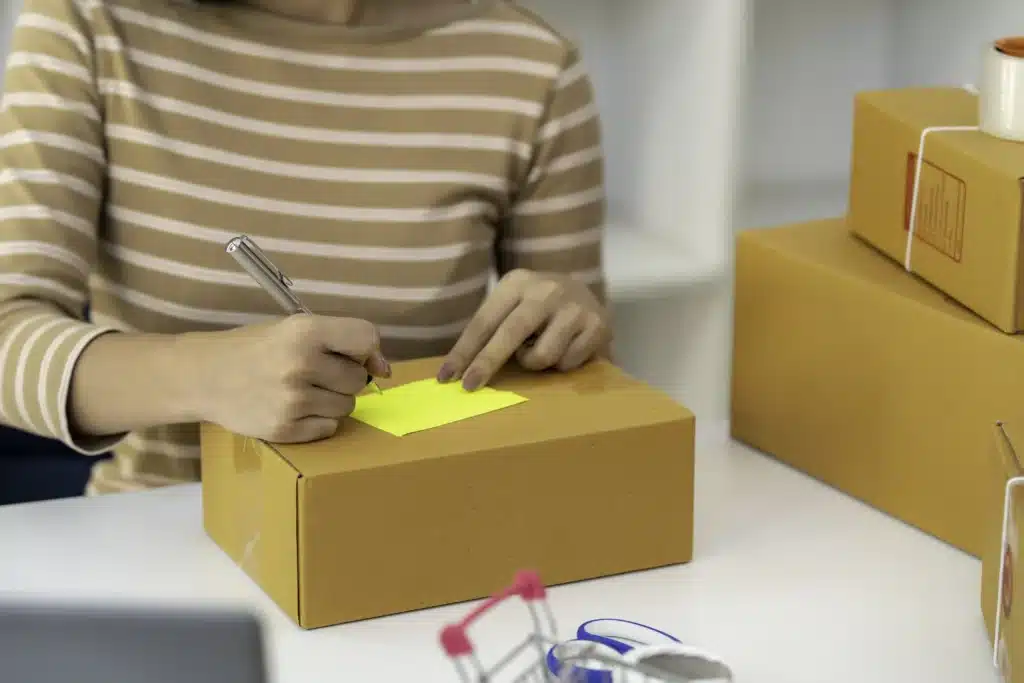
Proper preparation helps protect permitted belongings from moisture, dust, accidental damage, and disorganisation. Before moving items into storage, sort them by category, clean and dry them thoroughly, and choose packaging that suits their material and storage duration.
Follow these practical steps:
- Sort your belongings. Separate items to store from those to keep at home, donate, sell, or dispose of.
- Check storage restrictions. Confirm that every item is permitted under the rental agreement.
- Clean and dry everything. Moisture and dirt can contribute to mould, unpleasant odours, and deterioration.
- Choose suitable packaging. Use sturdy boxes, protective padding, and appropriate covers for furniture and fragile possessions.
- Label boxes clearly. Record the contents and identify fragile items to make retrieval easier.
- Create an inventory. Keep a list of stored belongings and photographs of valuable items.
- Arrange boxes carefully. Place heavier boxes securely and avoid stacking heavy objects on delicate belongings.
For more detailed packing guidance, read The Storage Place’s article on how to protect fragile items in storage. It explains how suitable packing materials, careful arrangement, and environmental considerations can help reduce the risk of damage.
Pro Tips for Safer Storage in Singapore
Pro Tip: Before renting a storage unit, make three lists: items you can store, items that require special arrangements, and items you must keep elsewhere. This simple step helps you avoid packing prohibited belongings and paying for space you do not need.
Singapore’s warm, humid climate also makes moisture management important. Wooden furniture, leather, paper, clothing, and electronics may deteriorate if exposed to unsuitable conditions for extended periods.
Keep these additional tips in mind:
- Choose the right environment. Ask whether climate control is available and whether it suits your belongings.
- Keep items dry. Never pack damp clothing, wet furniture, or appliances that have not been properly prepared.
- Avoid sealing moisture inside. Choose suitable breathable covers for materials that could be affected by trapped condensation.
- Check access requirements. Store frequently needed items where they can be retrieved without moving heavy boxes.
- Review rental terms regularly. Understand access hours, prohibited items, insurance provisions, and any changes to your agreement.
The Storage Place can help customers explore storage options based on their space requirements. Before committing, explain what you intend to store and ask which unit type and environmental conditions are appropriate.
Choosing the Right Storage Rental Service
A suitable storage rental service should match the type, quantity, and intended storage period of your belongings. Unit size, accessibility, security arrangements, rental flexibility, and environmental conditions are all factors to consider when comparing providers.
The Storage Place offers self-storage solutions in Singapore for customers who need additional space. Review the available options and confirm the current terms before choosing a unit.
Before signing an agreement, ask the provider:
- What items are prohibited or require special approval?
- What security measures are available?
- Is climate-controlled storage offered, and which items would benefit from it?
- What insurance coverage or proof of insurance is required?
- What are the rental duration, access arrangements, and additional fees?
- How should you prepare furniture, electronics, and other sensitive belongings?
Clear answers help you select a storage arrangement that suits your needs while reducing avoidable risks.
Conclusion: Store Your Belongings Safely with The Storage Place
Knowing which items to avoid storing in a storage rental unit helps you protect your belongings, follow facility rules, and prevent unnecessary problems. Perishable food, hazardous materials, living organisms, and items subject to legal restrictions require particular attention, while valuables and uninsured possessions need careful consideration before storage.
Take time to review your belongings, check the rental agreement, and prepare permitted items properly. If you need additional space for household belongings, furniture, or other suitable possessions, visit The Storage Place to explore its storage solutions in Singapore and find an option that fits your requirements.
Frequently Asked Questions
What items should you avoid storing in a storage rental unit?
Avoid storing perishable food, hazardous materials, illegal items, regulated weapons, and live animals or plants. Cash, jewellery, important documents, and uninsured valuables are also better kept in suitable secure locations.
Can you store electronics in a storage rental unit?
Yes, electronics can generally be stored if the facility permits them and they are properly prepared. Clean and dry devices, protect them with suitable packaging, and consider climate-controlled storage if humidity may cause damage.
Can you store furniture in a storage rental unit in Singapore?
Yes, most standard furniture can be stored in a suitable unit. Clean and dry each piece, use protective covers, and check that the storage environment is appropriate for wood, leather, and other moisture-sensitive materials.
Are food and cleaning products allowed in storage units?
Perishable food and opened food products should generally be avoided because they can spoil and attract pests. Cleaning products, paints, and chemicals may be prohibited if they are flammable, corrosive, or hazardous, so check the facility’s rules before storing them.
How can you protect belongings in a storage rental unit?
Use sturdy boxes, suitable protective materials, and clear labels. Ensure belongings are clean and dry, maintain an inventory, review insurance coverage, and choose a storage unit with appropriate security and environmental conditions.