
Renting Long-Term Storage Unit Explained: Why It’s a Smart Move or a Costly Mistake
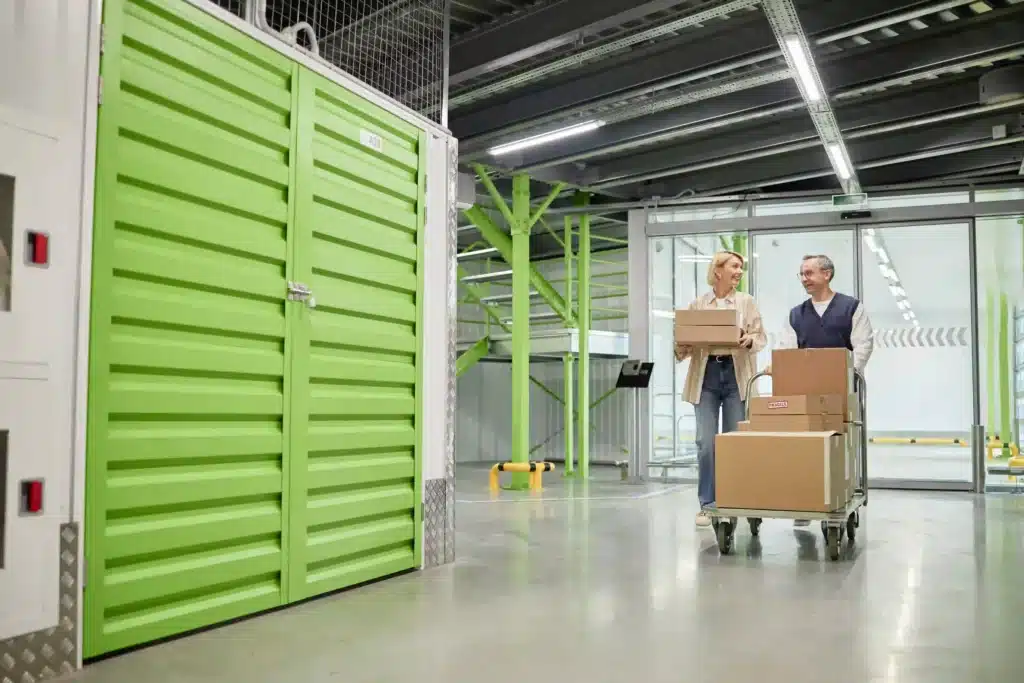
Renting Long-Term Storage Unit is a strategic solution for individuals and businesses that need secure, extended space beyond their homes or offices. Unlike short-term storage, long-term storage focuses on durability, climate stability, predictable pricing, and protection over months or even years.
People choose this option when downsizing, relocating, managing excess inventory, or safeguarding valuable items that aren’t needed daily. The appeal lies in flexibility without permanent commitment yet many underestimate the long-term financial and logistical implications.
This guide breaks down everything you need to know, from benefits and hidden risks to expert-backed strategies that help you maximize value while avoiding common mistakes.
Why Renting Long-Term Storage Unit Is Becoming More Popular
The global self-storage market was valued at over USD 54 billion in 2023, with long-term rentals accounting for a growing share. Urbanization, smaller living spaces, remote work, and e-commerce expansion are driving sustained demand.
For many households, Renting Long-Term Storage Unit has become a lifestyle solution rather than a temporary fix. It allows people to live minimally while retaining ownership of important belongings.
Businesses, especially SMEs, increasingly rely on storage rentals instead of expanding warehouse leases. cutting costs while maintaining operational flexibility.
Who Actually Needs Long-Term Storage?
Homeowners and Renters
If you’re renovating, relocating, or downsizing, Renting Long-Term Storage Unit helps preserve furniture and personal items without cluttering your living space. It’s also ideal for seasonal belongings like decorations or sports equipment.
Businesses and Entrepreneurs
Retailers, online sellers, and service providers often choose Renting Long-Term Storage Unit to store inventory, documents, tools, or promotional materials. Compared to commercial warehousing, storage units offer lower overhead and scalable space.
Life Transitions
From studying abroad to long-term travel, storage units provide peace of mind when you can’t take everything with you but don’t want to sell or discard it either.
Benefits of Renting Long-Term Storage Unit

Renting Long-Term Storage Unit isn’t just about square footage. it’s about control and protection.
Key advantages include:
- Predictable monthly costs
- High-level security systems
- Climate-controlled environments
- Flexible unit sizes
- Easy access without permanent leases
According to industry data, climate-controlled units reduce damage risks by up to 65% compared to non-controlled spaces, especially for electronics, documents, and wood furniture. Renting a long-term storage unit also has its pros and cons. If you’d like to learn more, visit the Surewise website to learn about the Pros and Cons You Need to Know.
Hidden Risks Most People Ignore
Here’s where skepticism matters. Renting Long-Term Storage Unit can quietly become expensive if not planned properly.
Common issues include:
- Paying for unused space
- Storing low-value items longer than necessary
- Annual rate increases hidden in contracts
- Poor packing leading to item deterioration
A 2022 consumer study found that 38% of long-term renters forgot items stored for over two years, continuing to pay monthly fees without reassessing value.
How to Choose the Right Long-Term Storage Facility
Location vs. Cost Balance
Facilities closer to city centers cost more but save time and transport fees. Suburban locations offer cheaper rates but may limit accessibility.
Climate Control Matters
If you’re Renting Long-Term Storage Unit for documents, electronics, textiles, or collectibles, climate control isn’t optional. it’s essential.
Security Standards
Look for 24/7 surveillance, gated access, individual unit alarms, and professional on-site management.
Before committing to a long-term contract, it’s important to understand the full process, from unit selection to access rules and cost structure. If you’re storing items locally, this guide on how self storage works in Singapore explains the operational details, regulations, and expectations that long-term renters should know.
Cost Breakdown: What Are You Really Paying For?
| Cost Component | Why It Matters |
|---|---|
| Monthly Rent | Base price of unit size and type |
| Insurance | Protects against theft or damage |
| Access Fees | Some facilities charge after-hours access |
| Annual Increases | Often 5–10% per year |
On average, Renting Long-Term Storage Unit costs 20–35% less than expanding residential or commercial space in urban areas. but only when used strategically.
Packing and Organizing for Long-Term Storage Success
Smart storage isn’t just about space. it’s about longevity.
Best practices include:
- Label everything clearly
- Use uniform box sizes
- Elevate items off the floor
- Create a visible aisle layout
- Keep an inventory list (digital works best)
People who organize properly report retrieving items 40% faster, reducing unnecessary unit upgrades.
Real Case Study: When Long-Term Storage Saves Money
A small e-commerce brand avoided leasing a warehouse by Renting Long-Term Storage Unit for inventory overflow. Over three years, they saved approximately USD 18,000 while maintaining same-day shipping efficiency.
Their key strategy: reviewing stored items every six months and downsizing units as sales patterns changed.
How Long Is “Too Long” for Storage?
This is where logic beats emotion. If the cost of Renting Long-Term Storage Unit exceeds the resale or replacement value of items, storage stops making financial sense.
Experts recommend a 12-month value review:
- Is this item still useful?
- Would I buy it again today?
- Does it justify continued storage costs?
Conclusion
Renting Long-Term Storage Unit is powerful when used intentionally and costly when ignored. The smartest renters treat storage as an active system, not a forgotten space.
If you’re looking for a reliable, secure, and scalable solution, explore our Self Storage solutions designed for both personal and business needs. Learn more about how our Storage Rental services help you protect what matters without unnecessary costs.
Start by visiting The Storage Place to see how we support smarter storage decisions.
Pro Tips:
- Reassess stored items every 6–12 months
- Choose climate control for long durations
- Avoid emotional storage decisions
- Match unit size to actual inventory, not assumptions
When done right, long-term storage isn’t a burden. it’s a strategic advantage.
Frequently Asked Questions
Is Renting Long-Term Storage Unit cheaper than short-term storage?
Yes, long-term rentals usually offer lower monthly rates and discounts for extended commitments.
Can I access my storage unit anytime?
Most facilities allow extended access hours, though 24/7 access may cost extra.
Do storage units increase rent over time?
Many facilities adjust rates annually. always check contract terms.
Is insurance mandatory?
Most providers require basic coverage, either through them or your own insurer.
What items should never be stored long-term?
Perishable goods, flammable materials, illegal items, and live plants are typically prohibited.