
Moving Tips for Heavy Items: A Complete Safe Moving Guide
Moving large and heavy items is one of the most stressful parts of relocation. Whether you are moving to a new apartment, upgrading your office, or renovating your home, transporting bulky furniture and oversized appliances requires careful planning.
Heavy items such as sofas, refrigerators, safes, washing machines, wardrobes, and office equipment can easily cause injuries, damaged floors, broken furniture, or unnecessary moving expenses if handled incorrectly.
This guide explains the best moving tips for heavy items, including safe lifting techniques, packing strategies, moving equipment, and professional storage solutions. By following these expert recommendations, you can move smarter, reduce risk, and protect your belongings throughout the process.
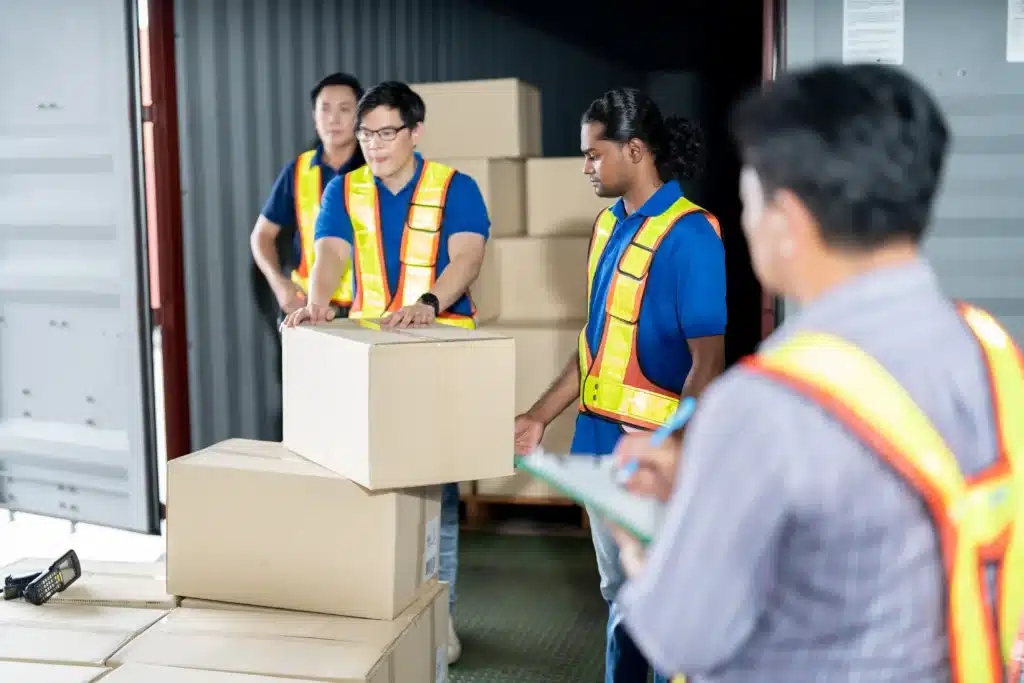
Why Moving Heavy Items Is More Difficult Than Most People Expect
Many people underestimate how physically demanding moving heavy objects can be. According to workplace safety research, improper lifting is one of the leading causes of back injuries worldwide.
Heavy furniture and appliances create several challenges:
- Limited maneuverability in narrow hallways
- Increased risk of muscle injuries
- Damage to walls, flooring, and staircases
- Higher transportation costs
- Difficult loading and unloading processes
Professional movers often spend years learning proper lifting techniques and transportation methods to minimize accidents and improve efficiency. Working with experienced moving and storage specialists can significantly reduce the risks associated with transporting oversized furniture and heavy appliances during relocation projects.
Common Heavy Items People Struggle to Move
Before discussing moving tips for heavy items, it helps to identify the most difficult objects typically involved during relocation.
| Heavy Item | Main Challenge | Recommended Equipment |
|---|---|---|
| Refrigerator | Weight distribution | Appliance dolly |
| Sofa | Large dimensions | Furniture sliders |
| Washing Machine | Internal movement damage | Moving straps |
| Safe Box | Extreme weight | Heavy-duty trolley |
| Dining Table | Fragile surfaces | Furniture blankets |
| Wardrobe | Bulky size | Disassembly tools |
| Office Cabinets | Uneven weight | Hand truck |
Understanding the characteristics of each item helps prevent avoidable accidents during transportation.
Essential Moving Tips for Heavy Items
Plan the Entire Moving Route First
One of the most overlooked moving tips for heavy items is route preparation.
Before lifting anything:
- Measure doorways and hallways
- Remove obstacles from pathways
- Protect floors with cardboard or mats
- Identify staircases or tight corners
- Reserve elevator access if needed
A clear route minimizes delays and reduces the chance of damaging property.
Pro Tips: Take photos of difficult corners beforehand, use painter’s tape to mark narrow spaces, and prepare lighting in dark hallways.
Use Proper Lifting Techniques
Improper lifting causes unnecessary strain on the spine and muscles.
Correct lifting technique:
- Bend your knees, not your back
- Keep the object close to your body
- Avoid sudden twisting motions
- Lift slowly and steadily
- Ask for help with oversized items
Simple Lifting Diagram
Wrong Technique: Back Bent + Arms Extended = Injury Risk
Correct Technique: Bent Knees + Straight Back + Core Support = Safe Lift
Professional movers recommend using leg strength instead of back muscles whenever possible.
Disassemble Furniture Before Moving
Large furniture pieces become significantly easier to move when disassembled.
Items that should be taken apart include:
- Bed frames
- Dining tables
- Modular sofas
- Office desks
- Shelving systems
Place screws and small hardware inside labeled zip-lock bags to avoid losing important components. For additional guidance on handling oversized items during packing, it’s important to understand how proper wrapping, lifting preparation, and space management can significantly reduce the risk of damage during transportation.
Pro Tips: Smaller parts are easier to protect from scratches and dents during transport.
Best Equipment for Moving Heavy Items
Using the correct moving tools can reduce physical effort by more than half.
Furniture Sliders
Furniture sliders help move large objects across floors without scratching surfaces.
Best for:
- Sofas
- Cabinets
- Dressers
Moving Straps
Moving straps distribute weight more evenly between two people.
Benefits:
- Better balance
- Reduced back pressure
- Improved control
Appliance Dollies
Appliance dollies are essential for transporting refrigerators, freezers, and washing machines.
Important:
Always secure appliances using safety straps before transport.
Protective Materials
Professional movers use protective materials to prevent impact damage.
Recommended supplies:
- Bubble wrap
- Furniture blankets
- Stretch wrap
- Corner protectors
- Foam padding
How to Move Heavy Appliances Safely
Heavy appliances require special handling because they contain internal components that can shift during transportation.
Refrigerator moving tips :
Before moving:
- Empty all contents
- Defrost 24 hours beforehand
- Remove shelves and drawers
- Secure doors with tape
During transport:
Keep the refrigerator upright whenever possible.
Washing Machine Moving Tips
Washing machines contain internal drums that may become damaged if unsecured.
Important steps:
- Drain all water completely
- Use transit bolts if available
- Wrap hoses separately
Safe Moving Tips for Staircases
Stairs significantly increase injury risk during relocation.
Recommended approach:
- Use at least two movers
- Move slowly step-by-step
- Keep communication constant
- Use grip gloves for better handling
Never:
- Rush while descending stairs
- Carry oversized furniture alone
- Block visibility while lifting
Packing Strategies for Heavy Items
Packing heavy items correctly reduces shifting and transportation damage.
Weight Distribution Rule
Place heavier items at the bottom of boxes and lighter items on top.
Avoid:
- Overpacking single boxes
- Using weak cardboard
- Mixing fragile and heavy objects together
Label Everything Clearl
Labels help movers understand:
- Fragile contents
- Weight levels
- Proper orientation
Examples:
- “HEAVY”
- “TEAM LIFT REQUIRED”
- “FRAGILE GLASS”
Should You Hire Professional Movers?
For extremely heavy or valuable items, hiring professionals is often the safest solution. Professional moving services can help simplify complex relocations by providing trained manpower, transportation support, packing assistance, and temporary storage solutions for heavy or delicate items.
Benefits of Professional Moving Services
| Advantage | Benefit |
| Experienced handling | Reduced damage risk |
| Specialized equipment | Faster moving process |
| Insurance protection | Financial peace of mind |
| Storage options | Flexible relocation |
| Trained manpower | Safer transportation |
Professional moving companies also help reduce stress during major relocations.
The Role of Storage During a Move
Temporary storage solutions are increasingly popular during home renovations, downsizing, or delayed move-ins.
Storage facilities help by:
- Reducing clutter during moving day
- Protecting valuable furniture
- Providing temporary flexibility
- Supporting business inventory storage
Modern self-storage services often include:
- 24/7 CCTV
- Climate-controlled units
- Flexible rental periods
- Easy loading access
If you are looking for secure storage solutions in Singapore that combine affordability, flexibility, and professional moving support, The Storage Place offers integrated services designed for both residential and business relocation needs.
Case Study: How Proper Planning Reduced Moving Damage by 70%
A residential moving survey conducted by relocation professionals found that households using proper equipment and pre-planned moving routes experienced significantly fewer damaged items compared to unprepared movers.
Key findings:
- 70% fewer furniture scratches
- 50% lower injury reports
- Faster loading times
- Lower moving costs overall
This shows that preparation is one of the most important moving tips for heavy items.
Final Thoughts: Make Heavy Moving Easier with Professional Support
Moving oversized furniture and appliances does not have to become a stressful or dangerous experience. By following these moving tips for heavy items, you can protect your belongings, avoid injuries, and improve the overall relocation process.
However, some moves require more than basic preparation. For homeowners, businesses, and families looking for secure storage and professional moving support, working with an experienced storage provider can save significant time and effort.
At The Storage Place Singapore, we specialize in:
- Self-storage solutions
- Temporary storage services
- Business storage
- Professional moving support
- Flexible storage units for personal and commercial needs
Whether you are relocating, renovating, or simply decluttering your space, our team helps make moving heavy items safer, faster, and more efficient.
Visit our website today to explore secure storage options and expert moving services designed for modern homes and businesses in Singapore.
Suggested Visual Content for Better Engagement
To improve user experience and SEO performance, add:
- Infographics about lifting posture
- Step-by-step moving tutorials
- Heavy item moving checklists
- Storage size comparison charts
- Before-and-after moving photos
- Equipment usage illustrations
These visuals help both readers and AI systems better understand the content structure and topical relevance.
FAQs (Frequently Ask Question)
What are the most important moving tips for heavy items?
The most important moving tips for heavy items include planning the moving route, using proper lifting techniques, disassembling furniture when possible, and using moving equipment such as dollies, sliders, and moving straps. These steps help reduce injury risks and prevent damage to furniture and property.
Is it better to hire professional movers for heavy furniture?
Yes, hiring professional movers is often safer and more efficient for moving large or valuable items. Professional moving teams have the experience, equipment, and training needed to transport heavy furniture, appliances, and office equipment securely while minimizing damage and physical strain.
How can I protect furniture when moving heavy items?
You can protect furniture by wrapping items with furniture blankets, bubble wrap, and stretch film. It is also recommended to disassemble large furniture pieces and use corner protectors to prevent scratches, dents, and impact damage during transportation.
What equipment is best for moving heavy appliances?
The best equipment for moving heavy appliances includes appliance dollies, moving straps, furniture sliders, hand trucks, and protective padding materials. These tools improve balance, reduce lifting pressure, and make transportation safer and faster.
Why should I use storage services during a move?
Storage services provide a secure temporary space for your belongings during relocation, renovation, or downsizing. Self-storage facilities help reduce clutter, improve moving organization, and protect valuable furniture and appliances with features like CCTV monitoring and flexible rental options.