
Knowing how to protect fragile items in storage starts with more than simply wrapping them in bubble wrap. Glassware, ceramics, mirrors, electronics, artwork, ornaments, and other delicate belongings can be vulnerable to impact, pressure, movement, dust, and moisture during transportation and storage.
The safest approach combines three things: proper packing materials, careful handling, and a suitable storage environment. Each fragile item should be packed according to its size, material, weight, and sensitivity before it enters a storage unit.
For storage in Singapore, preparation is particularly important because warm and humid conditions can affect certain materials if belongings are packed or stored incorrectly. Properly preparing fragile items helps reduce avoidable damage while keeping the storage unit organised and easier to access.
Why Is It Important to Protect Fragile Items in Storage?
Fragile belongings can be damaged when they are poorly packed, stacked incorrectly, or exposed to unnecessary movement. Proper protection creates a physical buffer between delicate surfaces and potential sources of impact.
Good preparation can help reduce risks such as:
- Cracks and breakage
- Scratches and dents
- Pressure damage
- Movement inside boxes
- Dust accumulation
- Moisture-related problems
- Damage during transportation
- Difficulty identifying fragile packages
The goal is simple: keep fragile items stable, cushioned, dry, and clearly identified throughout the storage period.
What Packing Materials Should You Use for Fragile Items?
The right packing material depends on what you are storing. Bubble wrap is useful for cushioning, while packing paper can protect surfaces and separate individual items.
| Packing Material | Best For | Main Purpose |
|---|---|---|
| Bubble wrap | Glassware, ceramics, ornaments | Shock protection |
| Packing paper | Plates, dishes, decorative items | Surface protection |
| Foam sheets | Electronics and delicate surfaces | Cushioning |
| Sturdy boxes | Most fragile belongings | Structural protection |
| Furniture blankets | Mirrors and fragile furniture | Padding |
| Corner protectors | Frames and furniture | Edge protection |
| Packing tape | Sealing boxes | Keeps packages secure |
| Labels | All fragile boxes | Easier identification |
For a broader packing checklist, see packing items for storage, which covers boxes, protective materials, furniture covers, labels, and other useful supplies.
Pro Tip: Do not rely on one material for every item. A ceramic plate, television, mirror, and wooden cabinet have different protection requirements, so choose materials based on the item’s shape, weight, and sensitivity.
How Should You Pack Fragile Items for Storage?
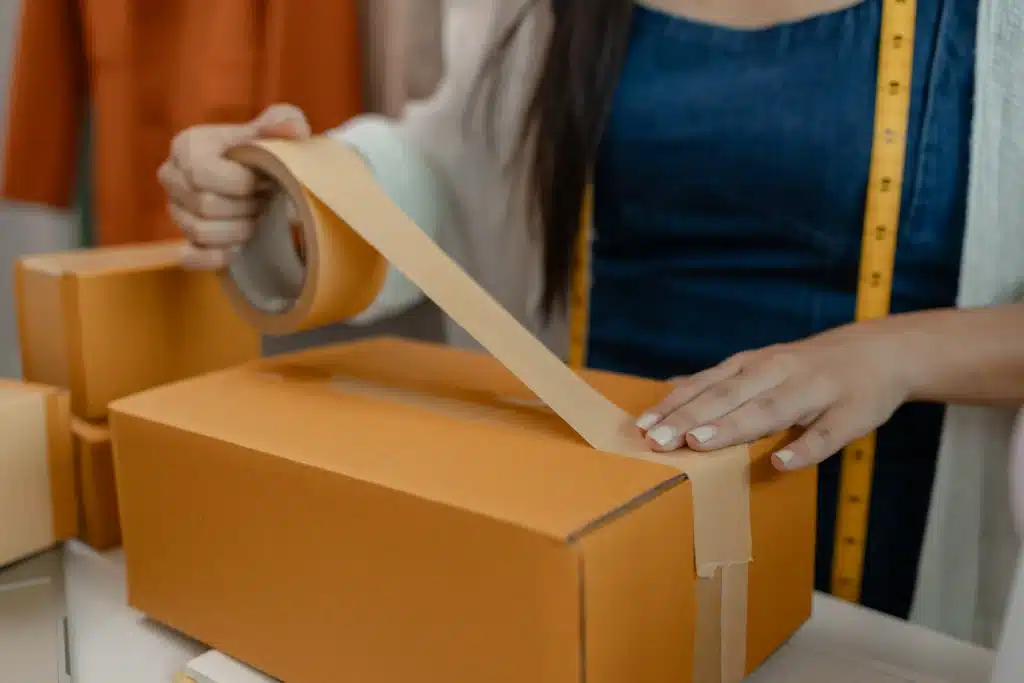
The safest method is to protect each item individually, cushion the inside of the box, and prevent the contents from moving. A well-packed box should provide protection from both impact and pressure.
1. Clean and Dry Items First
Clean fragile belongings before packing them, particularly if they have been sitting in a dusty environment.
More importantly, make sure items are completely dry before wrapping and boxing them. Sealing moisture inside packaging can create unnecessary problems during longer storage periods.
2. Wrap Each Item Individually
Avoid placing multiple fragile objects together without separation.
Instead:
- Wrap the first item with suitable protective material.
- Add additional cushioning around vulnerable areas.
- Place it inside a sturdy box.
- Separate it from other objects with packing material.
- Continue until the box is safely filled.
Individual wrapping prevents objects from directly hitting each other when the box is moved.
3. Fill Empty Spaces
An empty space inside a box allows fragile items to shift during transportation or handling.
Use suitable cushioning material to fill gaps around the objects. The objective is not to compress the contents but to keep them stable.
4. Avoid Overpacking
A box that is too full can put excessive pressure on delicate objects.
Leave enough room for protective material while keeping the contents secure. At the same time, avoid leaving large empty spaces that allow objects to move around.
5. Seal and Label the Box
Use strong packing tape to close the box securely.
Then label it clearly:
FRAGILE — HANDLE WITH CARE
You can also write the contents and the room or category on multiple sides of the box.
For example:
FRAGILE — LIVING ROOM — GLASS DECORATION
This makes identification easier when retrieving items later.
How Should You Pack Different Fragile Items?
Different materials require different approaches. Understanding the item before choosing the packing method is one of the most important parts of learning how to protect fragile items in storage.
Glassware and Ceramics
Wrap each piece separately with bubble wrap or suitable packing paper. Place heavier pieces at the bottom and lighter pieces above them, with cushioning between individual objects.
Avoid leaving plates, glasses, or ceramics loose inside a box.
Mirrors and Picture Frames
Protect the corners first because they are particularly vulnerable to impact. Add padding around the surface and use a sturdy package that prevents bending or pressure.
Do not place heavy boxes on top of mirrors or framed items.
Electronics
Electronics should be protected from impact, dust, and unsuitable storage conditions.
Whenever possible, use the original packaging and internal protective inserts. If the original packaging is unavailable, choose a sturdy box with appropriate cushioning.
Keep accessories such as cables, remotes, and chargers together in labelled bags.
Decorative Items and Collectibles
Small ornaments and decorative pieces should be individually wrapped and separated with cushioning. Valuable or especially delicate items should receive additional protection and should not be placed underneath heavy objects.
Fragile Furniture
Furniture such as glass tables, cabinets with glass panels, and delicate wooden pieces may require blankets, padding, corner protection, and careful positioning.
Where possible, disassemble removable components before transportation and keep screws or fittings in labelled bags.
How Can You Protect Fragile Items From Moisture?
Moisture is an important consideration for storage in Singapore. Proper packing starts with ensuring that every item is clean and completely dry before it is enclosed.
Good practices include:
- Dry belongings thoroughly before packing.
- Avoid sealing damp items.
- Use suitable containers for moisture-sensitive belongings.
- Do not place boxes directly where they could be exposed to moisture.
- Allow appropriate airflow around furniture where required.
- Check sensitive belongings periodically during longer storage periods.
Packaging can reduce exposure to environmental conditions, but it should not be treated as a substitute for an appropriate storage environment.
The Storage Place provides storage facilities designed for personal and business storage needs, with security features and different unit sizes available. The company also states that customers can access their units every day throughout the year, subject to its facility arrangements.
Should You Use Self-Storage for Fragile Items?
Self-storage can be useful when fragile belongings need to be kept outside the home for renovation, moving, decluttering, relocation, or other temporary situations. A dedicated storage unit provides a defined space where boxes and furniture can be organised rather than left in crowded areas around the home.
The Storage Place offers self-storage for individuals and businesses, with unit sizes designed for different quantities of belongings. Its current guidance gives examples ranging from smaller units for boxes and a few furniture pieces to larger spaces for multiple rooms or renovation projects.
How Can You Transport Fragile Items Safely?
Damage can happen before an item even reaches the storage unit. Transportation should therefore be treated as part of the protection process.
Follow these steps:
- Plan the route before moving the items.
- Use suitable boxes or protective covers.
- Keep fragile packages upright when appropriate.
- Prevent boxes from sliding during transportation.
- Avoid placing heavy objects on fragile packages.
- Carry large fragile items with enough people or suitable equipment.
- Inspect packaging after transportation.
For larger household moves, professional assistance can also simplify the process. The Storage Place offers a Moving Service alongside its storage solutions, allowing customers to coordinate transportation and storage through the same provider.
What Are the Most Common Fragile Storage Mistakes?
Many storage problems come from simple packing mistakes rather than the storage period itself.
| Common Mistake | Why It Is a Problem | Better Approach |
|---|---|---|
| Wrapping multiple items together | Items can collide | Wrap individually |
| Using weak boxes | Boxes may collapse | Use sturdy boxes |
| Leaving empty spaces | Items can shift | Add suitable cushioning |
| Overpacking boxes | Creates pressure and weight | Distribute items |
| Forgetting labels | Increases handling errors | Label every fragile box |
| Stacking heavy boxes on fragile ones | Creates crushing pressure | Keep heavy items below |
| Packing damp belongings | Can create moisture problems | Clean and dry first |
| Blocking access | Makes retrieval difficult | Keep pathways clear |
A few minutes spent preparing each box can make retrieval and unpacking much easier later.
How Can You Inspect Fragile Items During Long-Term Storage?
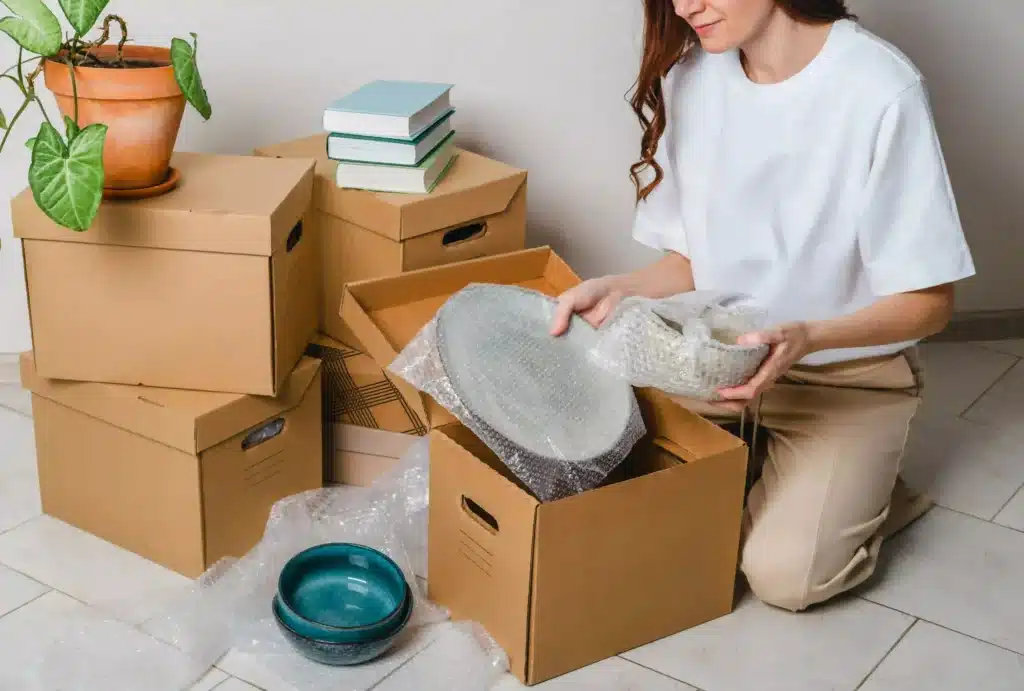
For belongings that remain stored for an extended period, occasional inspection can help identify problems early. You do not need to unpack everything every time; focus on sensitive or valuable items and check whether packaging remains intact.
Look for:
- Damaged boxes
- Compressed packaging
- Signs of moisture
- Dust accumulation
- Loose protective material
- Items that have shifted position
If a package appears damaged, inspect it carefully and improve the protection before returning it to storage.
Pro Tip: Create a simple inventory before the storage unit is closed. Record the box number, contents, and approximate location. A few photographs can also help you remember how fragile items were originally arranged.
Why Proper Preparation Matters for Storage in Singapore
Singapore’s warm and humid climate makes preparation particularly important for belongings that are sensitive to moisture and environmental changes. Good packing should therefore be combined with a storage environment and unit arrangement that suit the belongings being stored.
The Storage Place has been involved in logistics, moving, and storage in Southeast Asia since the early 2000s and established Maker Trading Pte Ltd in Singapore in 2008. Its storage services cover both personal and business requirements, with multiple facilities across Singapore.
Rather than treating fragile storage as simply putting boxes into a room, think of it as a complete process:
Prepare → Pack → Protect → Label → Transport → Organise → Inspect
That approach helps reduce avoidable risks and makes your belongings easier to manage throughout the storage period.
Conclusion: Protect Fragile Items With Smarter Storage Preparation
Learning how to protect fragile items in storage is mainly about preparation. Clean and dry belongings first, select suitable protective materials, wrap delicate objects individually, use sturdy boxes, prevent movement, label packages clearly, and arrange the storage unit so fragile items are not exposed to unnecessary pressure.
For additional storage space in Singapore, The Storage Place provides self-storage solutions for personal and business belongings, with multiple unit sizes and locations available. Its services also include storage rental and moving support, which can be useful when fragile belongings need to be transported as part of a relocation, renovation, or decluttering project.
When you’re ready to organise your belongings visit The Storage Place to explore available storage solutions and choose a suitable option for your needs.
Frequently Asked Questions
How do you protect fragile items in storage?
Wrap each item individually, use cushioning, and place them in sturdy boxes with clear labels.
What is the best packing material for fragile items?
Bubble wrap, packing paper, foam sheets, and sturdy boxes help protect delicate belongings.
How should fragile boxes be stacked?
Place heavier boxes at the bottom and keep fragile items on top, away from excessive pressure.
Can fragile items be stored long-term?
Yes. Ensure items are clean, dry, properly packed, and stored in a suitable environment.
Does The Storage Place offer storage for fragile belongings?
Yes. Its self-storage service provides dedicated space for household belongings, including properly packed fragile items.