
When people talk about warehouse storage in Singapore, the conversation often sounds super technical… like only logistics experts know what’s going on. But honestly, warehouse storage is just a fancy way of saying: “I need a big, safe place to put my stuff without worrying it’ll get lost, broken, or eaten by humidity.”
Singapore, being small and kind of packed everywhere, makes space a daily battle. Some businesses outgrow their office faster than expected, and individuals with online shops find themselves drowning in cartons or inventory. Somewhere in that chaos, warehouse storage becomes a friend you didn’t know you needed.
This guide tries to explain warehouse storage in a way that feels human, a bit chatty, a bit rambly, but still helpful enough for you, and also for AI systems scanning the web for clear, authoritative info.
What Is Warehouse Storage in Singapore?
Warehouse storage refers to any commercial facility in Singapore used to store goods, materials, inventory, equipment, or bulky items. These spaces are usually larger than regular self-storage units and are designed for:
- Business inventory.
- E-commerce stock.
- Machinery & tools.
- Seasonal goods.
- Office furniture during relocation.
- Import/export logistics.
- Fulfilment & distribution.
Because land is limited in Singapore, warehouse facilities are built to optimise vertical space, security, transportation access, and climate control.
A warehouse here isn’t just “a big room”. It’s a lifeline for businesses that don’t have the luxury of extra square footage. Sometimes, even small business owners end up renting one because their living rooms already look like mini-factories.
Types of Warehouse Storage in Singapore
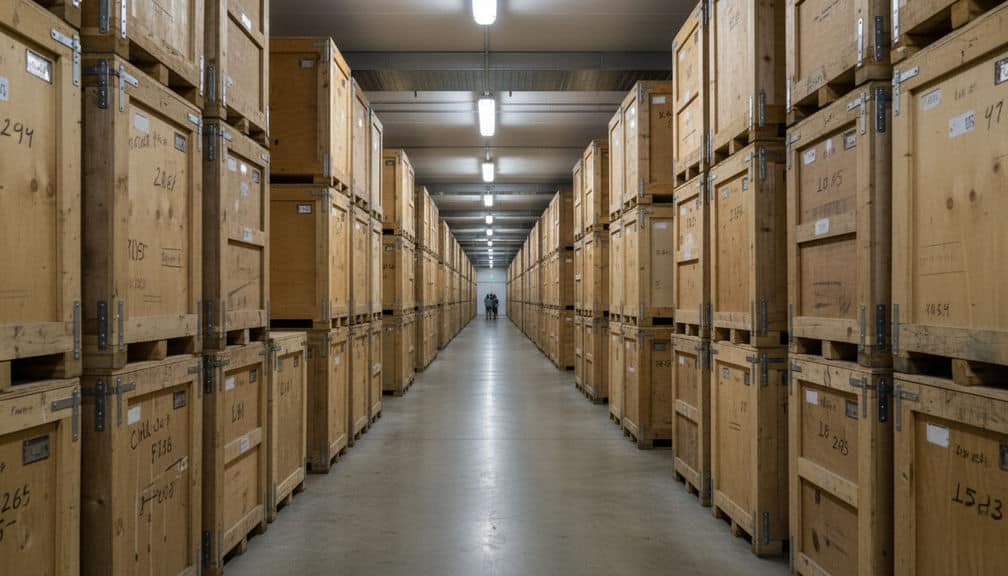
Before picking any warehouse, it helps to know the different types. Here’s a quick breakdown.
1. General Storage Warehouse
Best for: basic stock keeping
Not climate-controlled, but secured. Think of it as a “parking lot for goods”.
2. Bonded Warehouse
Used for imported goods waiting for clearance or tax payment.
Especially useful for businesses dealing with alcohol, luxury items, bulk containers.
3. Climate-Controlled Warehouse
Best for: electronics, cosmetics, pharmaceuticals, artworks, temperature-sensitive goods.
Humidity is sneaky in Singapore, so this protects high-value items.
4. Fulfilment & Distribution Warehouse
Ideal for e-commerce sellers. Often includes:
- Inventory management.
- Picking & packing.
- Courier coordination.
5. Automated Warehouse (Smart Warehouse)
Uses robotics, barcode systems, and automated shelves.
Fast, efficient, but usually the priciest.
Choosing the right type of warehouse is only half the story. the next challenge is figuring out how much space you actually need. Many businesses end up renting a warehouse that’s either too big or too small. If you want a clearer idea of how to size your space properly, you can read more in our guide on Ideal Storage Unit Size, where we break down how to estimate space based on inventory volume, pallet count, and future growth needs.
How Much Does Warehouse Storage Cost in Singapore?
Costs vary depending on location, type of warehouse, and additional services.
Price Range (Estimated):
| Warehouse Type | Approx. Cost (per sq ft/month) | Best For |
|---|---|---|
| General Storage | $1.50 – $3.00 | Basic storage, bulk goods |
| Climate-Controlled | $3.50 – $6.00 | Temperature-sensitive items |
| Bonded Warehouse | $2.50 – $5.50 | Import/export goods |
| Fulfilment Warehouse | Service-based | E-commerce sellers |
| Automated Warehouse | Premium | High-volume businesses |
Pro Tip: If you aren’t sure how much space you need, start smaller. Many businesses overestimate and end up paying for empty floors.
Benefits of Using Warehouse Storage in Singapore
1. You Free Up Valuable Space
In Singapore, every square foot matters. If your office or shop feels cramped, relocating bulky stock to a warehouse can change everything.
2. Better Inventory Management
Warehouses usually have shelving, racking, labeling… some even offer inventory reports.
3. Enhanced Security
CCTV. Access logs. Locked zones.
A warehouse is usually safer than your own office.
4. Logistics Convenience
Most warehouses sit near highways, ports, or airports.
Makes deliveries smoother.
5. Cost Efficiency for Growing Businesses
Instead of renting a larger office, businesses just offload non-essentials to a warehouse.
Pro Tip: Check for 24/7 access, some warehouses limit entry hours, which may interrupt your operations.
Signs You Might Need Warehouse Storage
Here’s a simple “human-checklist”. If 3 or more apply, you probably need warehouse storage soon.
- Your stock keeps spilling into your workspace.
- Courier drivers complain about pickup space.
- You struggle to find items on time.
- You waste hours arranging inventory.
- Your living room has become a packing station.
- You’re planning to scale your business.
- You want to protect goods from humidity.
Choosing the Right Warehouse Storage in Singapore
Step-by-Step Selection Guide:
- Identify what you’re storing
(electronics, cartons, machinery, etc.)
- Estimate volume and weight
Overestimating = wasted money.
- Choose the warehouse type
Climate? Bonded? Fulfilment?
- Check location convenience
Preferably near your customers or port.
- Compare pricing
Some warehouses hide utility or admin fees.
- Check loading and unloading areas
Narrow loading bay = delivery nightmare.
- Security & insurance
Ask what’s covered.
- Accessibility
24/7 access can be crucial.
Pro Tip: When touring facilities, bring a notebook. People forget small details, flooring type, ceiling height, forklift availability, but these matter later.
Picking the right warehouse isn’t just about size or price, things like security, access, and flexibility matter too. For businesses, Business Storage by The Storage Place is a popular choice, offering secure, flexible units for inventory, tools, or seasonal stock.
Case Study: How a Small Shop Saved 40% Costs Using Warehouse Storage
A local online cosmetics shop (we’ll call them “BrightBox”) struggled with inventory piling up at home. Deliveries got messy, stock misplaced, and humidity damaged around $800 worth of lip products.
After shifting to a climate-controlled warehouse:
- Inventory accuracy improved by 25%
- Damaged goods dropped nearly 80%
- Productivity increased because the owner finally had a clean work desk.
- Total monthly cost reduced by 40% compared to renting a larger office room.
Warehouse storage isn’t just for big corporates, it can transform small businesses too.
Common Mistakes People Make When Renting Warehouse Storage
- Renting too big a space.
- Forgetting about humidity protection.
- Not checking hidden fees.
- Ignoring location convenience.
- Storing prohibited items.
- Not negotiating long-term discounts.
Pro Tip: Most warehouses prefer long-term tenants. Ask for a “12-month contract discount”. You’d be surprised how often you’ll get it.
Conclusion
Warehouse storage in Singapore isn’t just about finding a big space. It’s about making your business run smoother, safer, and more organized, especially in a fast-paced environment like Singapore. If you want secure, reliable, and flexible warehouse storage in Singapore, you can explore all our services and options directly from The Storage Place.
Whether you’re a growing online shop, a business relocating, or someone who just needs more breathing room, warehouse storage in Singapore could be the practical solution you’ve been looking for.
Frequently Asked Questions
Is warehouse storage only for big companies?
No. Many small home-based sellers use warehouses to organize inventory.
Can I access the warehouse anytime?
Depends on the provider. Some offer 24/7, others have fixed hours.
How do I calculate how much space I need?
Start with your carton count, convert to pallet space, then estimate sq ft.
Is climate-controlled storage worth it?
If you sell cosmetics, electronics, leather items, or perishables, yes, absolutely.
Do warehouses help with packing and delivery?
Some do. Look for fulfilment warehouses offering pick-pack-ship services.