
Overview: Understanding Packing for Residential Moves
The phrase packing for residential moves refers to the process of organizing, protecting, labeling, and preparing household belongings for relocation from one home to another. This includes:
- Packing furniture
- Wrapping fragile items
- Organizing boxes systematically
- Preparing items for transportation or storage
- Reducing damage risks during moving
Residential moving is often more complicated than many people expect. Families and homeowners must manage not only transportation but also emotional stress, scheduling, organization, and the protection of valuable belongings.
Whether moving from:
- An apartment
- A condominium
- A landed property
- A shared residence
proper packing methods help create a smoother, safer, and more organized moving experience.
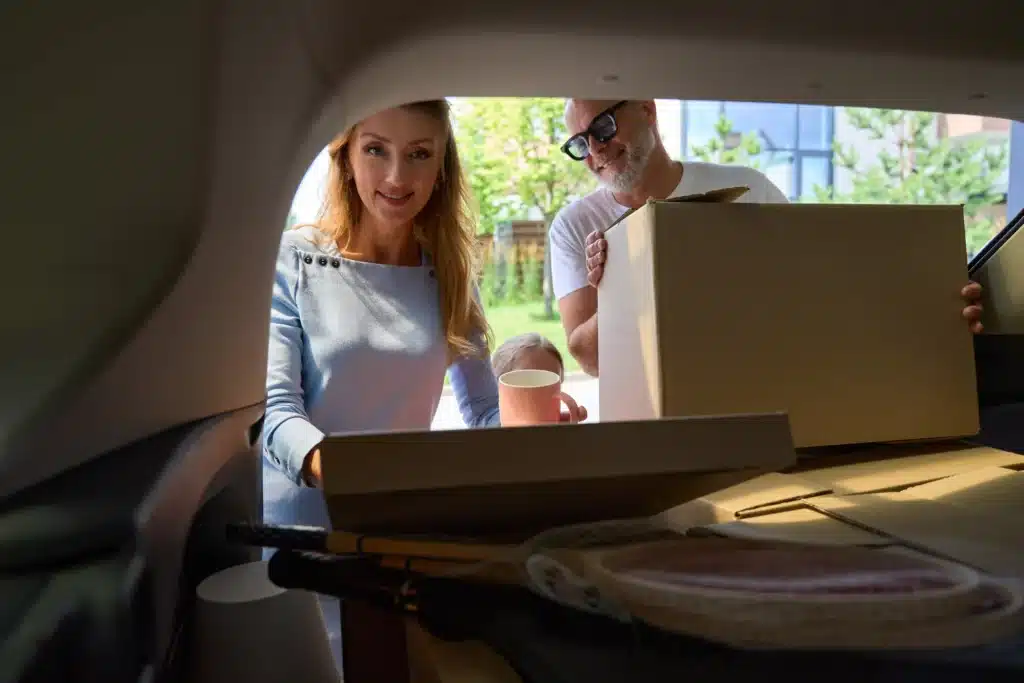
Why Proper Packing for Residential Moves Matters
Packing is one of the most important stages of any residential relocation. Poor packing can lead to:
- Broken valuables
- Lost items
- Delayed unpacking
- Increased stress
- Higher replacement costs
Residential Moving Statistics
Industry research suggests:
- More than 30% of moving damage is caused by improper packing
- Organized labeling systems can reduce unpacking time by up to 40%
- Fragile-item protection significantly lowers breakage during transportation
These findings highlight why effective packing for residential moves is essential for homeowners and tenants alike.
Start with a Residential Moving Plan
Before placing items into boxes, planning is critical.
Create a Packing Timeline
A structured timeline prevents last-minute stress.
| Time Before Move | Recommended Task |
|---|---|
| 4 Weeks | Declutter unused items |
| 3 Weeks | Gather packing materials |
| 2 Weeks | Pack non-essential items |
| 1 Week | Pack daily-use belongings |
| Moving Day | Final essentials packing |
Breaking tasks into stages makes residential moving more manageable.
Declutter Before Packing
Moving unnecessary items wastes time and space.
Simple Decluttering Categories
- Keep
- Donate
- Recycle
- Dispose
Pro Tips : If an item has not been used in over a year, it may not need to move with you.
Essential Packing Materials for Residential Moves
Using proper materials improves both safety and organization.
Recommended Packing Supplies
| Material | Purpose |
|---|---|
| Bubble wrap | Protect fragile items |
| Packing paper | Prevent scratches |
| Heavy-duty boxes | Secure storage |
| Stretch wrap | Furniture protection |
| Labels & markers | Easy identification |
| Foam padding | Shock absorption |
Narrative Insight : Many homeowners underestimate how much proper organization and professional support can improve the moving experience until they face damaged belongings or inefficient packing methods during relocation. To help reduce these risks, explore our efficient packing services designed to provide safer, faster, and more organized moving solutions here: The Truth About Efficient Packing Services: Why Poor Packing Costs You More.
Room-by-Room Packing Strategy
Professional movers often recommend packing one room at a time.
Bedroom Packing Tips
Pack:
- Clothing
- Bedding
- Personal items
- Electronics carefully
Best Practices
- Use wardrobe boxes for hanging clothes
- Label boxes clearly by room
Kitchen Packing Tips
The kitchen usually contains many fragile items.
Recommended Methods
- Wrap plates vertically
- Cushion glassware separately
- Use smaller boxes for heavy appliances
Kitchen Packing Table
| Item | Packing Recommendation |
|---|---|
| Plates | Vertical placement |
| Glasses | Divider boxes |
| Pots & pans | Stack with padding |
| Appliances | Original packaging |
Living Room Packing Tips
Living rooms often contain:
- TVs
- Decorations
- Artwork
- Furniture
Protection Tips
- Use corner protectors for frames
- Wrap electronics carefully
- Secure loose furniture parts separately
Best Practices for Packing Fragile Items
Fragile belongings require additional care.
Recommended Protection Methods
- Double-wrap delicate items
- Fill empty spaces in boxes
- Avoid overpacking containers
- Label fragile boxes clearly
Organizing Boxes Efficiently
Organization is one of the most overlooked parts of residential packing.
Smart Labeling System
Label boxes with:
- Room destination
- Priority level
- Fragile warnings
- Contents summary
Why Organization Matters
Efficient labeling helps:
- Movers work faster
- Homeowners unpack easier
- Reduce misplaced belongings
Furniture Protection During Residential Moves
Furniture is often expensive and difficult to replace.
Best Furniture Packing Practices
- Disassemble large furniture
- Protect corners and edges
- Use stretch wrap and blankets
- Store screws in labeled bags
Simple Conclusion : Protecting furniture properly saves repair and replacement costs later.
Residential Moving and Storage Solutions
Sometimes homeowners require temporary storage during relocation.
Why Storage Services Help
Storage solutions are useful for:
- Delayed move-in dates
- Renovation projects
- Downsizing
- Decluttering during moving
Benefits of Temporary Storage
| Benefit | Description |
|---|---|
| Flexibility | Extra moving time |
| Organization | Reduced clutter |
| Protection | Safer item storage |
| Accessibility | Easier moving flow |
Common Residential Packing Mistakes to Avoid
Even careful movers can make avoidable mistakes. Frequent packing errors :
- Using oversized boxes
- Mixing heavy and fragile items
- Forgetting labels
- Packing too late
- Leaving empty gaps inside boxes
Narrative Reminder : A rushed packing process usually creates more stress on moving day than the move itself.
Expert Insights on Packing for Residential Moves
Professional relocation specialists consistently emphasize that preparation and organization are the foundation of successful residential moving. Experienced movers understand that packing is not only about placing items into boxes—it is about protecting valuables, improving transportation efficiency, and simplifying the unpacking process later.
Research in moving logistics also shows that systematic labeling, quality packing materials, and room-by-room organization can significantly reduce moving-related damage and confusion. This is why many homeowners now choose professional moving and packing support to manage residential relocations more safely and efficiently.
Pro Tips for Packing for Residential Moves
Quick Professional Tips
- Start packing early
- Use high-quality materials
- Keep essentials accessible
- Avoid overfilling boxes
- Protect fragile items carefully
Simple Conclusion : An organized move begins with organized packing.
Conclusion and Professional Moving Support
Successful packing for residential moves requires careful planning, proper materials, strategic organization, and reliable protection methods. From fragile-item wrapping to furniture protection and efficient labeling systems, every step contributes to a smoother and less stressful relocation experience. With years of experience in residential moving, secure storage management, and professional packing solutions, our team understands how important it is to protect household belongings throughout every stage of relocation. Learn more about our expertise, service approach, and commitment to customer satisfaction on our About Us page.
Whether you are moving into a new apartment, upgrading to a larger home, or temporarily storing household belongings, professional support can make the process significantly easier and safer.Whether you are moving into a new apartment, upgrading to a larger home, or temporarily storing household belongings, having access to reliable moving professionals can make the entire relocation process more organized and less stressful. Explore our professional moving services designed to support safe, efficient, and hassle-free residential moves here Moving Services.
Visit our website to explore trusted moving solutions, secure storage services, and professional packing support designed to simplify your residential move and protect your belongings every step of the way.For homeowners looking to simplify the moving process and protect their belongings with reliable packing and storage support, our team provides practical solutions designed to make residential relocation safer and more efficient. Visit The Storage Place to learn more about our moving and storage services.
Frequently Asked Question (FAQ))
What is packing for residential moves?
Packing for residential moves refers to the process of organizing, wrapping, labeling, and preparing household belongings for safe transportation during a home relocation. It includes protecting furniture, fragile items, electronics, and personal belongings to reduce damage and improve moving efficiency.
When should I start packing before moving house?
It is generally recommended to begin packing at least 3–4 weeks before moving day. Start with non-essential items first, then gradually pack daily-use belongings closer to the moving date to avoid last-minute stress.
What materials are best for residential moving packing?
The most commonly recommended packing materials include:
- Bubble wrap
- Packing paper
- Heavy-duty moving boxes
- Stretch wrap
- Foam padding
- Packing tape and labels
These materials help protect belongings during transportation and storage.
How can I protect fragile items during a residential move?
Fragile items should be wrapped individually using bubble wrap or foam padding, placed in sturdy boxes, and separated with cushioning materials. Boxes containing delicate belongings should also be clearly labeled as “Fragile” and “Handle With Care.”
Why are professional packing and moving services helpful for residential moves?
Professional moving services help reduce stress, improve organization, and minimize the risk of damaged belongings. Experienced movers also use efficient packing systems, quality materials, and proper transportation methods to create a smoother relocation experience.