
Learning how to organise a spare room means decluttering unused belongings, arranging furniture efficiently, and creating practical storage zones so the room serves a clear purpose. Whether you want a guest bedroom, a home office, a hobby room, or additional storage, a well-organised spare room can make your home feel more comfortable and easier to manage.
In many homes, the spare room gradually becomes a place for things that do not have a permanent home. Old suitcases, seasonal decorations, extra bedding, and unused furniture can accumulate until the room becomes difficult to use. The good news is that you do not need a complete renovation to transform it.
With a little planning and the right storage solutions, you can turn an overcrowded room into a functional part of your home.
1. Decide What You Want Your Spare Room to Become
Before moving furniture or buying storage containers, decide how you want to use the room. A clear purpose makes it easier to decide what belongs there and what should be removed.
For example, a family with visiting relatives might prioritise a comfortable guest bedroom. Someone working remotely may prefer a desk, ergonomic chair, and organised filing area. If you live in a compact apartment, you might need a flexible room that serves several purposes.
Choose a Main Function
Consider these common spare room ideas:
- Guest bedroom: A bed, bedside table, fresh bedding, and space for guests’ belongings.
- Home office: A desk, comfortable chair, cable management, and organised work supplies.
- Hobby room: Shelving, labelled containers, and an accessible work surface.
- Fitness room: Exercise equipment, clear floor space, and storage for accessories.
- Multi-purpose room: Foldable furniture, a sofa bed, and storage that can accommodate different activities.
Try to select one primary function and, if necessary, one secondary function. Giving the room too many purposes can make it cluttered again.
2. Declutter Before Organising Anything
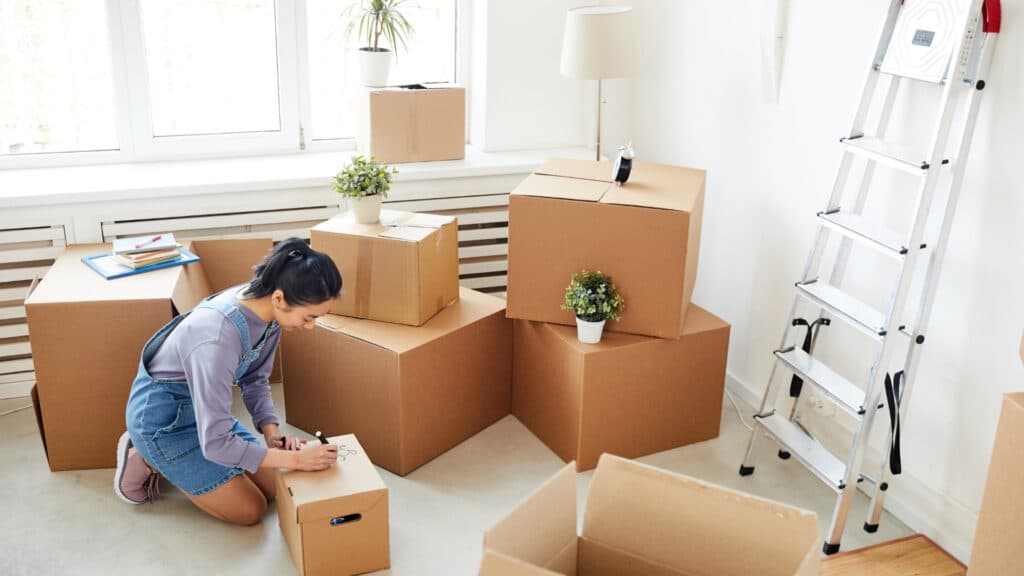
One of the most important steps in learning how to organise a spare room is reducing the number of items you need to manage. Rearranging everything without removing unnecessary belongings may only move the clutter from one corner to another.
Start by taking a general look around the room. Identify items that are useful, things you want to keep but rarely need, and belongings that no longer serve a purpose.
Sort Belongings Into Four Categories
Use four clearly labelled groups:
| Category | What to Do | Examples |
|---|---|---|
| Keep | Return to the room if it supports its purpose | Bedding, office supplies, hobby equipment |
| Donate or sell | Pass on usable items you no longer need | Unused furniture, duplicate household goods |
| Recycle or discard | Dispose of items appropriately | Broken, unusable, or recyclable belongings |
| Store elsewhere | Move items that are useful but not needed regularly | Seasonal decorations, spare luggage |
Work through one area at a time rather than emptying the entire room at once. This makes the process easier to manage and reduces the chance of creating a larger mess in another part of your home.
Ask Practical Questions
For each item, ask yourself:
- Have I used this within a reasonable period?
- Does it support the room’s intended purpose?
- Do I need to keep it, or am I simply unsure where else to put it?
- Could it be stored somewhere more appropriate?
You do not need to discard everything you rarely use. Sentimental belongings, important documents, and seasonal items may deserve to be kept. The goal is to give each item a sensible place.
3. Create Zones for Different Activities
Once you have decluttered, divide the room into functional zones. This is particularly helpful if your spare room needs to accommodate more than one activity.
For instance, a guest bedroom that doubles as a workspace might have a sleeping area along one wall and a compact desk near a window. A hobby room could have separate areas for supplies, active projects, and finished items.
Plan Your Layout Around Daily Use
Think about how you move through the room. Keep frequently used belongings within easy reach and less frequently used items in higher shelves or closed storage.
A simple zoning plan could look like this:
| Zone | Purpose | Suggested Storage |
|---|---|---|
| Main activity zone | Sleeping, working, or hobbies | Bed, desk, or worktable |
| Everyday storage zone | Frequently used belongings | Drawers, baskets, or open shelves |
| Occasional-use zone | Seasonal or rarely used items | Labelled boxes or higher shelves |
| Clear access zone | Walking and reaching furniture | Unobstructed floor space |
Keep doors, windows, and walking routes clear. Avoid placing bulky furniture where it makes the room difficult to enter or use.
4. Choose Space-Saving Furniture and Storage
You do not need expensive furniture to organise a spare room effectively. The best solutions are those that fit the available space and support the room’s intended function.
Use Furniture That Serves More Than One Purpose
Multi-functional furniture is particularly useful in smaller homes. Consider a storage ottoman, a desk with drawers, a sofa bed, or a bed with built-in storage where appropriate.
Wall-mounted shelves can also free up floor space, while stackable containers help organise belongings vertically. Make sure shelves and furniture are suitable for the items they hold, and secure tall furniture where necessary.
Match Storage to the Items
Different belongings need different storage methods.
- Use transparent containers for items you want to identify quickly.
- Use labelled opaque boxes for belongings you prefer to keep out of sight.
- Store small accessories in drawer dividers.
- Keep frequently used items on accessible shelves.
- Place heavier belongings on lower shelves or in sturdy storage units.
Avoid buying containers before measuring the room and sorting your belongings. Otherwise, you may end up with storage products that do not fit or create more clutter.
5. Make Better Use of Vertical Space
When floor space is limited, look upward. Vertical storage can help keep everyday belongings organised without overcrowding the room.
Install suitable wall shelves, use bookcases, or add hooks for lightweight items such as bags and accessories. Behind-the-door organisers can also be useful for small belongings, provided they do not obstruct the door or create a safety issue.
Keep Frequently Used Items Accessible
Place items you use every week at a convenient height. Store occasional-use belongings higher up, but keep heavy or awkward items at a safe, reachable level.
For example, spare towels may fit neatly in a labelled cabinet, while seasonal decorations can be stored in clearly marked containers. Always check the weight limits of shelves and follow the manufacturer’s installation instructions.
The objective is not to fill every available wall. Leave enough open space to make the room feel comfortable rather than crowded.
6. Organise Seasonal and Long-Term Belongings
Some items take up valuable space even though you only need them occasionally. Winter clothing, festive decorations, travel equipment, spare bedding, and sentimental belongings are common examples.
Instead of keeping everything in the spare room, decide which items need to remain nearby and which can be stored elsewhere.
Prepare Items Before Storage
Before packing belongings away:
- Clean and dry items thoroughly.
- Check for damage and repair anything that needs attention.
- Use suitable containers or protective covers.
- Label each container with its contents and category.
- Keep an inventory so you know where important belongings are located.
Consider the material and storage requirements of each item. Fabrics, paper, photographs, electronics, and wooden furniture may respond differently to humidity and temperature changes.
If environmental conditions are a concern, read about the benefits of climate controlled storage to understand how a controlled storage environment may help protect suitable belongings.
Remember that climate-controlled storage is not necessary for every household item. The right option depends on the material, the length of storage, and the conditions recommended for the belongings you want to keep.
7. Keep the Room Clean, Bright, and Comfortable
An organised spare room should be easy to use, not simply tidy. Lighting, furniture placement, and a manageable cleaning routine all contribute to a more comfortable environment.
Start by making the most of natural light. Keep windows accessible and use suitable curtains or blinds. If the room has limited natural light, consider adding a desk lamp, floor lamp, or ceiling lighting that suits the room’s function.
Use a Simple Colour and Decoration Scheme
Neutral colours and a consistent selection of storage containers can help the room feel more cohesive. A few decorative touches, such as artwork, cushions, or a small plant where suitable, can make the space more inviting.
Avoid filling every surface with decorations. Leave enough clear space for practical activities, particularly if the room serves as a home office or guest bedroom.
Establish a Basic Cleaning Routine
To prevent clutter from returning, make maintenance part of your normal household routine.
- Return items to their designated places after use.
- Remove packaging and unwanted items promptly.
- Dust shelves and furniture regularly.
- Review stored belongings periodically.
- Avoid using the room as a temporary dumping ground.
A short, regular tidy-up is often easier than waiting until the room needs another major reorganisation.
8. Decide When Extra Storage Space Makes Sense

Sometimes, a spare room remains crowded even after you have removed unnecessary items. This can happen when you are renovating, moving home, accommodating a growing family, or keeping business supplies at home.
In these situations, it helps to distinguish between belongings that need to remain accessible and those that can be stored elsewhere.
Compare Your Storage Options
| Storage Option | Best For | Main Consideration |
|---|---|---|
| Wardrobes and cabinets | Everyday clothing and household items | Available floor and wall space |
| Under-bed storage | Seasonal clothing and spare bedding | Bed clearance and item accessibility |
| Shelving and labelled boxes | Books, accessories, and hobby supplies | Weight limits and organisation |
| External self-storage | Belongings that are useful but not needed every day | Rental costs, access, and unit size |
External storage can be useful when the cost of keeping everything at home is reduced space and convenience. However, compare the rental cost with your actual needs before committing.
The Storage Place offers Self Storage in Singapore for people who need additional space for belongings outside their homes. Depending on your circumstances, renting a suitable storage unit may help free up your spare room while allowing you to keep items you still need.
Before choosing a unit, estimate how much space your belongings require, check access arrangements, and review the rental terms. Keep an inventory of stored items so you can retrieve them without unnecessary searching.
9. Follow a Simple Spare Room Organisation Plan
If the task feels overwhelming, break it into manageable stages instead of trying to finish everything in one session.
Here is a practical sequence you can follow:
Step 1: Assess the room. Decide its main purpose and identify the biggest sources of clutter.
Step 2: Sort belongings. Separate items into keep, donate or sell, recycle or discard, and store elsewhere.
Step 3: Measure the space. Check the dimensions of the room and the furniture you intend to keep.
Step 4: Plan the layout. Create activity zones and maintain clear access to doors, windows, and furniture.
Step 5: Add suitable storage. Use shelves, drawers, boxes, and multi-purpose furniture where they offer genuine benefits.
Step 6: Organise by category. Group similar items together and label containers clearly.
Step 7: Review the result. Check whether you can use the room comfortably and reach essential belongings without moving several other items.
You can adapt this plan to your schedule. Completing one section at a time is often more manageable than trying to transform the entire room immediately.
Pro Tips for Keeping Your Spare Room Organised
A few simple habits can make the difference between a room that stays organised and one that quickly becomes cluttered again.
- Use a one-in, one-out rule: When you bring in a new non-essential item, consider whether an older item can be donated or removed.
- Label containers clearly: Write specific descriptions rather than vague labels such as “miscellaneous”.
- Keep a small amount of empty space: Do not fill every shelf or drawer to capacity. Leaving room makes it easier to put things away.
- Review seasonal belongings: Check clothing, decorations, and other occasional-use items when their relevant season ends.
- Avoid buying storage impulsively: Declutter and measure first so that every container has a purpose.
- Separate storage from daily living: If a room is intended for guests or work, avoid allowing long-term storage to take over its main function.
- Create a reset routine: Spend a few minutes returning items to their designated places after using the room.
The most useful rule is simple: every item should have a clear purpose and a suitable place.
Conclusion: Make Your Spare Room Work Better for Your Home
Knowing how to organise a spare room starts with deciding how you want to use it, removing unnecessary clutter, and creating practical zones for furniture and belongings. Space-saving furniture, vertical storage, clear labels, and regular maintenance can help you make the most of the room without undertaking a major renovation.
If your spare room is still overcrowded because you need to keep seasonal belongings, furniture, or other useful items, consider whether external storage could help. The Storage Place provides self-storage solutions in Singapore for individuals and households looking for additional space.
Visit The Storage Place website to explore available storage options and find a solution that suits your space requirements. With a clear plan and the right storage approach, you can turn your spare room into a more comfortable, practical, and organised part of your home.
Frequently Asked Questions
How do I organise a spare room?
Declutter, choose a purpose, and use practical storage solutions to maximise space.
What should I keep in a spare room?
Keep items that support the room’s purpose, such as guest bedding, office supplies, hobby equipment, or essential household items. Move seasonal belongings and items you rarely use to suitable storage elsewhere.
How can I make a spare room look bigger?
Use multi-purpose furniture, vertical storage, and keep floors and surfaces clear.
How often should I declutter a spare room?
Review and organise the room every three to six months to prevent clutter.
Is self-storage useful for spare-room items?
Yes. Self-storage helps keep seasonal belongings and extra furniture elsewhere. Explore The Storage Place’s self-storage services in Singapore.