
Storing excess retail inventory is the process of organising and keeping surplus products in a dedicated storage space when a business has more stock than its regular shop, stockroom, or warehouse can accommodate. For retailers in Singapore, managing excess inventory is especially important because commercial space can be expensive and limited. Whether a business is preparing for seasonal demand, handling bulk purchases, or managing slower-moving products, having an effective storage strategy helps maintain an organised retail environment while keeping products accessible when needed.
Imagine running a retail shop during a major promotional season. Your shelves are filled, new deliveries keep arriving, and cartons are gradually taking over the stockroom. Although having additional products available can be beneficial, too much inventory in the wrong place can make daily operations difficult. The solution is not necessarily to rent a larger shop or warehouse. Instead, retailers can improve their stock management processes and consider flexible storage options that provide additional room without disrupting everyday business activities.
Why Do Retail Businesses Accumulate Excess Inventory?
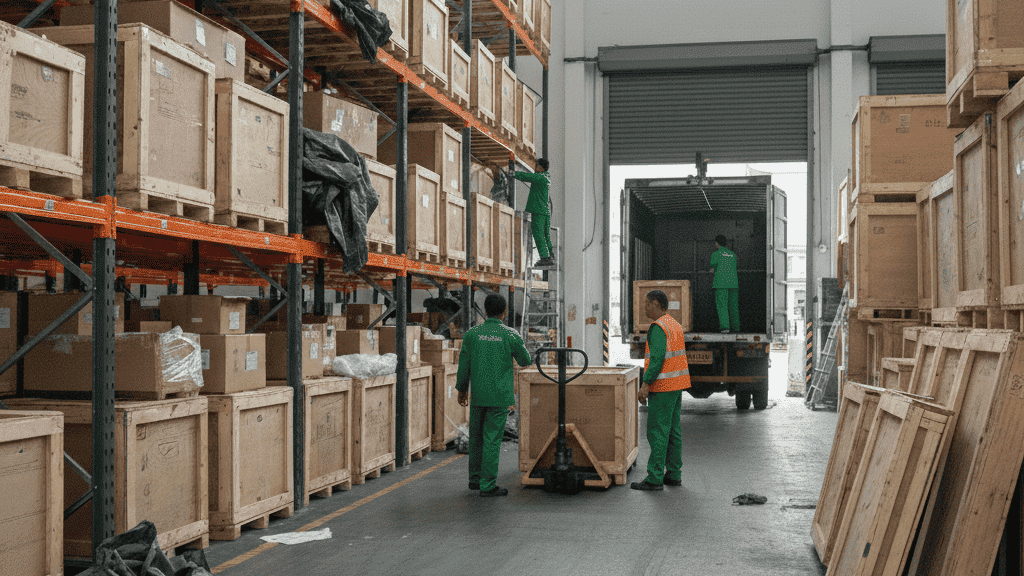
Excess inventory does not always indicate poor business management. Sometimes, retailers deliberately purchase additional products to prepare for busy periods, take advantage of supplier discounts, or avoid unexpected stock shortages.
However, problems can arise when inventory levels increase beyond what a business can reasonably sell or store.
Some common reasons include:
1. Seasonal Demand and Promotional Purchases
Retailers often purchase additional products before major shopping periods, festive celebrations, and promotional campaigns. For example, businesses selling decorations, clothing, gifts, and household products may increase their stock before Christmas, Chinese New Year, or year-end sales.
Once the shopping season ends, unsold products may remain in the stockroom for several weeks or months.
2. Bulk Purchasing from Suppliers
Buying products in bulk can sometimes reduce the cost per item. However, larger purchases also require additional space to accommodate incoming stock.
Without proper planning, retailers may find themselves with more cartons and products than their existing premises can handle.
3. Changes in Customer Preferences
Consumer preferences can change quickly. Products that were popular several months ago may experience slower demand as customers move towards newer designs, alternatives, or different product categories.
This can leave retailers with unsold products that still have commercial value but require additional storage space.
4. Inaccurate Inventory Forecasting
When businesses do not regularly review sales patterns, they may order more products than necessary.
Poor demand forecasting can lead to overstocking, unnecessary storage expenses, and reduced working capital.
What Are the Problems Caused by Excess Retail Inventory?
Keeping additional products can be useful, but allowing inventory to occupy valuable working areas may create several operational challenges.
| Inventory Problem | Impact on Retail Business | Recommended Solution |
|---|---|---|
| Limited stockroom space | Difficult to organise incoming deliveries | Use additional storage space |
| Overstocking | More money tied up in unsold products | Improve demand forecasting |
| Disorganised cartons | Employees spend more time locating products | Introduce inventory labelling |
| Slow-moving stock | Products occupy valuable retail space | Review stock movement regularly |
| Seasonal inventory | Temporary shortage of available space | Arrange temporary storage |
| Damaged products | Potential financial losses | Use appropriate packaging and handling\ |
Reduced Space for Daily Operations
A crowded stockroom makes it harder for employees to receive deliveries, prepare orders, and replenish retail shelves. When products are stacked without a clear arrangement, even simple tasks can become unnecessarily time-consuming.
Higher Inventory Holding Costs
Excess inventory involves more than the original purchasing cost. Businesses may also need to consider storage expenses, insurance where applicable, handling, maintenance, and potential losses from damaged or outdated products.
Increased Risk of Product Damage
Products stored in unsuitable conditions may become damaged due to moisture, dust, poor stacking, or improper handling. This is particularly important for retailers handling fragile products, electronics, packaging materials, and delicate merchandise.
7 Practical Ways to Store Excess Retail Inventory Effectively
Managing surplus stock becomes easier when retailers establish a consistent storage process. The following methods can help businesses organise their inventory while maintaining efficient daily operations.
1. Categorise Inventory According to Product Type
Start by grouping products into clear categories. This makes it easier to understand what the business currently owns and how much storage space each category requires.
For example, a retailer may separate inventory into:
- Fast-moving products that require frequent replenishment.
- Slow-moving products with lower sales frequency.
- Seasonal merchandise intended for specific periods.
- Promotional products reserved for upcoming campaigns.
- Returned or damaged items requiring inspection.
Keep similar products together and use clearly labelled cartons or shelves.
A simple categorisation system also reduces the time employees spend searching for specific products.
2. Use Inventory Management Software
Manual stock tracking can become difficult as a retail business expands. Inventory management software helps businesses monitor product quantities, sales movements, incoming deliveries, and reorder requirements.
Useful features include:
- Real-time stock level monitoring.
- Barcode scanning.
- Purchase order tracking.
- Low-stock notifications.
- Sales and inventory reports.
- Product location records.
Retailers should also maintain accurate records of products transferred between their shop, stockroom, and external storage facility.
This helps ensure that the inventory recorded in the system matches the actual quantity available.
3. Apply FIFO Inventory Management
FIFO stands for First In, First Out. It is an inventory management method where older stock is sold or dispatched before newer stock.
This approach is particularly useful for retailers selling products with expiration dates, seasonal relevance, changing packaging, or models that may become outdated.
For example, if a retailer receives two deliveries of the same product in January and March, the January stock should generally be prioritised for fulfilment when appropriate.
FIFO helps businesses reduce the risk of forgotten inventory and unnecessary product deterioration.
However, retailers should adjust their stock rotation methods according to product characteristics and applicable accounting requirements.
4. Make Better Use of Vertical Storage Space
Retailers do not always need additional floor space to improve their storage capacity.
Using suitable shelving and vertical storage systems can help maximise the available room.
Consider these practical improvements:
- Install shelving designed for the weight of stored products.
- Place lightweight cartons on higher shelves.
- Keep frequently accessed items within comfortable reach.
- Label shelves according to product categories.
- Leave clear pathways for employees.
- Avoid stacking cartons beyond their recommended limits.
Always follow manufacturer recommendations and workplace safety requirements when arranging shelving.
5. Separate Fast-Moving and Slow-Moving Products
Not every product needs to remain inside the retail premises.
Fast-moving products should generally be kept close to employees responsible for order fulfilment and replenishment. Slow-moving merchandise, seasonal products, and surplus cartons may be better suited to a separate storage area.
This arrangement allows businesses to maintain convenient access to frequently purchased items without allowing additional inventory to overwhelm their daily working space.
Retailers should review sales performance regularly to determine which products need to remain nearby.
6. Consider External Storage for Surplus Stock
When the stockroom is consistently full, external storage can provide a practical alternative to expanding the existing retail premises.
A dedicated storage unit allows businesses to move additional cartons, promotional merchandise, packaging materials, and selected inventory outside their main operating area.
Before selecting a facility, consider:
- Available unit sizes.
- Rental duration and flexibility.
- Accessibility and operating arrangements.
- Security measures.
- Transportation and handling requirements.
- Total rental and related costs.
- Suitability of the environment for the products being stored.
For retailers in Singapore, Business Storage solutions from The Storage Place provide an additional storage option for business inventory, documents, equipment, and other commercial items.
The right storage arrangement allows businesses to maintain a more organised stockroom while keeping additional inventory available for future requirements.
7. Conduct Regular Inventory Audits
Storing additional products should not mean forgetting about them.
Regular inventory audits help retailers identify discrepancies between recorded and actual stock quantities.
A simple audit process includes:
- Review the inventory management system.
- Check the physical quantity of selected products.
- Compare recorded quantities with actual stock.
- Identify damaged, missing, or outdated products.
- Update product locations and inventory records.
- Review purchasing requirements based on current stock levels.
Monthly reviews may be suitable for some businesses, while retailers with higher inventory turnover may benefit from more frequent cycle counts.
The appropriate schedule depends on product value, sales volume, and operational requirements.
How Should Retailers Choose the Right Storage Solution?

Choosing an appropriate storage arrangement depends on the amount of excess inventory, how frequently products are accessed, and the business’s operating budget.
Some retailers only need additional space for a few weeks, while others require a longer-term arrangement.
The following comparison can help businesses evaluate their options.
| Storage Option | Best For | Main Advantage | Potential Limitation |
|---|---|---|---|
| Existing Stockroom | Regularly accessed products | Convenient access | Limited capacity |
| Retail Backroom Shelving | Small amounts of surplus stock | Uses existing space efficiently | Can become crowded |
| Self-Storage Unit | Additional cartons and merchandise | Flexible dedicated space | Requires transportation |
| Traditional Warehouse | Larger inventory volumes | Suitable for extensive operations | May involve greater space commitments |
| Mobile Self-Storage | Businesses needing integrated storage and transportation | Combines storage and moving arrangements | Availability and handling terms vary |
How Can Small Retailers Reduce Excess Inventory in the Long Term?
External storage can solve space limitations, but businesses should also address the underlying reasons behind excess inventory.
A more sustainable inventory strategy combines purchasing discipline, sales forecasting, stock monitoring, and organised storage.
Improve Demand Forecasting
Use historical sales records to identify purchasing patterns.
Retailers should consider:
- Monthly sales performance.
- Seasonal demand fluctuations.
- Promotional campaign results.
- Supplier lead times.
- Upcoming product launches.
- Customer purchasing behaviour.
Forecasting does not need to be complicated. Even a basic spreadsheet can help smaller businesses identify products that are consistently overstocked.
Set Minimum and Maximum Stock Levels
Establish minimum and maximum inventory quantities for important products.
The minimum level indicates when new stock should be ordered, while the maximum level helps prevent unnecessary purchases.
These thresholds should be reviewed regularly because customer demand and supplier delivery times may change.
Review Slow-Moving Products
Products that remain unsold for extended periods should be reviewed before additional stock is ordered.
Depending on the merchandise, businesses may consider:
- Promotional discounts.
- Product bundles.
- Seasonal clearance campaigns.
- Supplier return arrangements.
- Alternative sales channels.
The objective is to convert surplus inventory into sales where commercially practical rather than allowing it to occupy storage space indefinitely.
Connect Storage Planning with Inventory Management
Storage decisions should be part of the wider inventory management process.
Businesses can learn more about stock organisation, forecasting, and operational efficiency through Inventory Management for small business.
Combining effective inventory tracking with an organised storage arrangement makes it easier to understand where products are located, how quickly they move, and when additional stock should be purchased.
Conclusion: How Can The Storage Place Help Retailers Store Excess Inventory?
Storing excess retail inventory does not have to become a constant challenge for growing businesses. With proper stock categorisation, accurate inventory records, regular audits, and a suitable storage arrangement, retailers can manage surplus products without allowing them to interfere with everyday operations.
For Singapore retailers, external business storage offers another way to manage additional inventory when existing commercial space is no longer sufficient. It can help businesses accommodate seasonal merchandise, bulk purchases, promotional stock, and other items that do not need to remain inside the main retail premises.
The Storage Place provides business storage and integrated storage solutions for companies looking for additional space. With multiple storage locations across Singapore, businesses can explore options based on their inventory volume, accessibility requirements, and rental needs.
Visit The Storage Place to explore available storage solutions and request a quotation for your business.
A well-organised inventory system and the right storage space can help your retail business operate more efficiently, stay prepared for changing demand, and make better use of valuable commercial space.
Frequently Asked Questions
What is excess retail inventory?
Excess retail inventory refers to products that exceed a business’s immediate sales or storage requirements.
Why do retailers need additional inventory storage?
Retailers need additional storage to manage surplus stock, seasonal products, and bulk purchases without overcrowding their shops.
What is the best way to store excess retail inventory?
Use organised shelving, labelled cartons, proper stock rotation, and suitable external storage facilities.
Is self-storage suitable for retail inventory?
Yes. Self-storage can provide additional space for merchandise, promotional products, packaging materials, and seasonal stock.
How can The Storage Place help retailers manage excess inventory?
The Storage Place offers business storage solutions in Singapore to help retailers accommodate additional inventory and organise their business space.