
Storage solutions for rental apartments are practical ways to organise personal belongings, maximise limited living space, and maintain a comfortable home without making permanent changes to the property. In Singapore, where many rental apartments have limited floor areas, finding suitable ways to store furniture, household essentials, seasonal belongings, and personal items can make everyday living much easier.
Renting an apartment often means working with the space already available. You may not be allowed to install permanent cabinets, modify built-in furniture, or make significant changes to the layout. As a result, choosing flexible storage options becomes essential.
Whether you are living in a compact studio, sharing an apartment, or renting a condominium, the right storage approach can help you enjoy a more organised environment. From multifunctional furniture and vertical storage to external self-storage facilities, there are several ways to keep your belongings accessible without overcrowding your home.
This guide explores practical storage solutions for rental apartments, including space-saving ideas, organisation techniques, and when external storage can be a better alternative.
1. Why Do Rental Apartments Need Better Storage Solutions?
Living in a rental apartment comes with unique storage challenges. Unlike homeowners, tenants may have limited opportunities to renovate or customise their living spaces. Every corner needs to serve a purpose, especially when the apartment accommodates multiple people.
Here are some common reasons why rental apartment storage becomes a challenge.
Limited Floor Space
Smaller apartments often have limited room for additional wardrobes, cabinets, and bulky furniture. Adding too many storage units can make the apartment feel cramped and reduce the space available for everyday activities.
Temporary Living Arrangements
Some tenants rent apartments for a few months or years because of work, education, or lifestyle changes. Investing in permanent storage installations may not be practical when they expect to move again.
Accumulation of Personal Belongings
Clothing, books, kitchen appliances, sports equipment, travel accessories, and sentimental belongings can gradually occupy valuable space. Without a proper organisation system, even a well-arranged apartment can become cluttered.
Restrictions on Property Modifications
Rental agreements may restrict drilling, installing built-in cabinets, or changing existing fixtures. Tenants therefore need removable and portable storage alternatives that will not affect the property’s condition.
2. What Are the Most Practical Storage Solutions for Rental Apartments?
The best storage solutions for rental apartments combine flexibility, accessibility, and efficient use of available space. Instead of purchasing more furniture immediately, consider how existing areas can accommodate additional belongings.
2.1 Use Multifunctional Furniture
Multifunctional furniture is particularly useful for compact rental apartments because one item can serve several purposes.
For example, an ottoman with hidden storage can accommodate blankets, magazines, or everyday accessories while providing additional seating. Similarly, a bed frame with drawers underneath offers convenient space for clothing and spare bedding.
Other useful options include:
- Storage benches for shoes and household accessories.
- Foldable dining tables with built-in compartments.
- Sofa beds with storage underneath.
- Coffee tables with shelves or concealed compartments.
- Beds with lift-up storage compartments.
Choose furniture that can be moved easily when your rental agreement ends.
2.2 Maximise Vertical Storage Space
When floor space is limited, look upwards. Vertical storage allows tenants to organise belongings without occupying too much walking space.
Consider using:
- Freestanding shelving units.
- Stackable storage boxes.
- Over-the-door organisers.
- Tall wardrobes with adjustable shelves.
- Removable hooks and hanging organisers.
Before installing anything, check your rental agreement and avoid fixtures that could damage walls or doors.
2.3 Organise Items Inside Wardrobes
A wardrobe can become overcrowded when clothing, accessories, and household essentials share the same space.
Simple organisers can help create separate storage areas for different belongings.
For better organisation, try:
- Group clothing according to type and frequency of use.
- Use drawer dividers for smaller accessories.
- Store seasonal clothing in labelled containers.
- Use slim hangers to organise hanging garments.
- Keep frequently used items within easy reach.
This approach helps you find belongings more quickly while keeping your bedroom organised.
2.4 Use Under-Bed Storage
The area beneath a bed is often overlooked. However, it can provide valuable additional storage without requiring another cabinet.
Use flat storage containers, fabric organisers, or rolling drawers to keep items such as:
- Spare bedsheets and pillowcases.
- Seasonal clothing.
- Extra towels.
- Shoes and travel accessories.
- Items that are not needed every day.
Choose covered containers to minimise dust accumulation and keep belongings organised.
2.5 Create Storage Zones in Every Room
Assigning specific storage areas to different categories of belongings makes an apartment easier to maintain.
For example, keep cleaning supplies together, organise kitchen equipment in designated cabinets, and use separate containers for documents and personal accessories.
A simple room-by-room approach can make a noticeable difference:
| Apartment Area | Recommended Storage Solution | Items to Store |
|---|---|---|
| Living room | Storage ottoman and shelving | Books, blankets, decorations |
| Bedroom | Under-bed containers | Clothing, bedding, shoes |
| Kitchen | Stackable organisers | Dry goods, utensils, cookware |
| Bathroom | Freestanding racks | Toiletries, towels, cleaning supplies |
| Study area | Drawer organisers | Documents, stationery, electronics |
| Balcony | Weather-resistant storage boxes | Suitable outdoor accessories |
The goal is to make every storage area functional without filling the apartment with unnecessary furniture.
3. When Should You Consider External Storage for a Rental Apartment?
Sometimes, organising your apartment is not enough. You may already be using available cabinets, shelves, and storage containers efficiently but still have more belongings than your apartment can comfortably accommodate.
This is when external storage becomes a practical alternative.
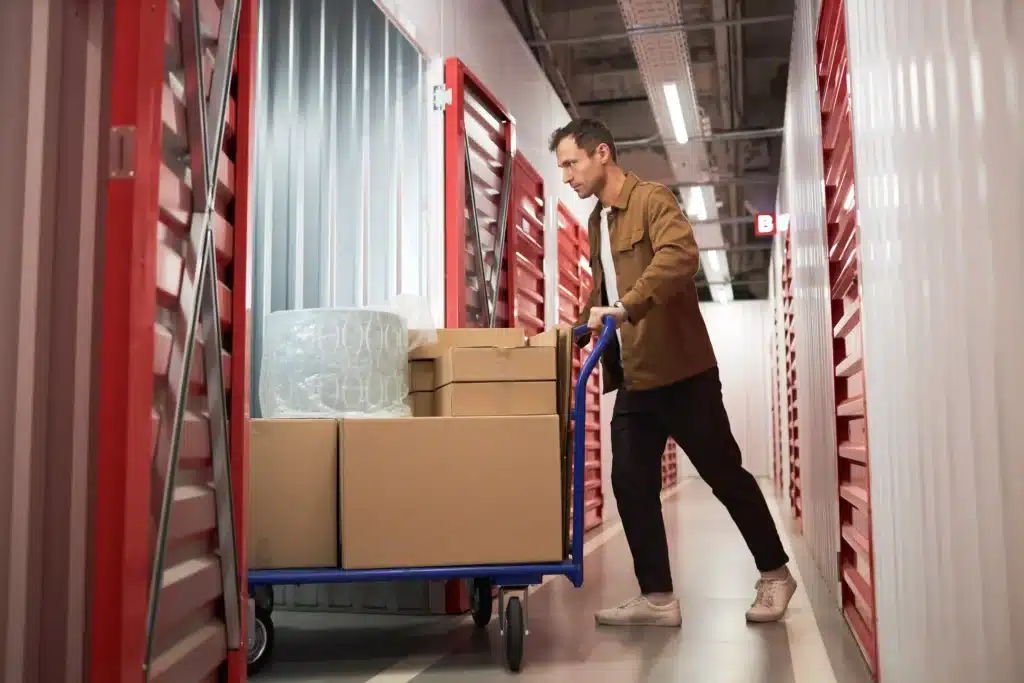
A self-storage facility provides a separate space where you can keep belongings that you do not need to access every day. Instead of forcing everything into your rental apartment, you can maintain a more comfortable living environment.
Situations Where External Storage Makes Sense
Moving between rental apartments
If your next apartment is not ready when your current rental ends, temporary storage can provide additional flexibility for furniture, boxes, and household belongings.
Keeping furniture that does not fit
You may own furniture that is too large for your current apartment but still want to keep for future use. Renting external storage can help you avoid overcrowding your living space.
Storing seasonal belongings
Items such as holiday decorations, travel equipment, and seasonal accessories may not need to occupy permanent space inside your apartment.
Living with roommates
Sharing an apartment means dividing storage space between multiple people. External storage can help accommodate personal belongings that are not required for daily household activities.
Renovating or changing apartments
If you are temporarily relocating while your next living arrangement is being prepared, storage can provide a convenient place for furniture and other possessions.
Self-Storage vs In-Apartment Storage
Both options can support an organised rental apartment, but they serve different purposes.
| Comparison | In-Apartment Storage | External Self-Storage |
|---|---|---|
| Location | Inside your apartment | Separate storage facility |
| Accessibility | Convenient for daily use | Requires visiting the facility |
| Space capacity | Limited by apartment size | Available in different unit sizes |
| Furniture storage | Depends on available floor space | Suitable for larger storage needs |
| Flexibility | Depends on furniture and layout | Rental options depend on provider |
| Best for | Everyday household belongings | Excess, bulky, or less frequently used items |
A practical approach is to combine both options. Keep everyday essentials inside your apartment and move excess belongings into external storage.
4. How to Choose the Right Storage Unit for Your Rental Apartment
Choosing an appropriate storage unit is important because renting too much space can increase unnecessary expenses, while selecting a unit that is too small may create additional complications.
Before making a decision, consider the quantity, dimensions, and type of belongings you intend to store.
Step 1: Create an Inventory of Your Belongings
Start by listing everything you want to move into storage.
Divide your belongings into categories:
- Furniture, including tables, chairs, and cabinets.
- Household appliances.
- Clothing and personal accessories.
- Books and documents.
- Sports and recreational equipment.
- Moving boxes and miscellaneous items.
An inventory helps you understand the amount of space required.
Step 2: Measure Bulky Items
Large furniture can occupy considerable storage space. Measure the length, width, and height of larger belongings before requesting a quotation.
Remember to account for items that cannot be dismantled.
Step 3: Estimate Your Storage Requirements
Once you have completed your inventory, discuss your requirements with the storage provider.
The Storage Place offers different storage unit sizes, including 20 sq ft, 40 sq ft, and 80 sq ft options. The appropriate size depends on your belongings, packing arrangement, and storage requirements.
Step 4: Compare Rental Terms and Accessibility
Before selecting a facility, review important details such as:
- Monthly rental charges.
- Minimum rental period.
- Deposit requirements.
- Access arrangements.
- Security features.
- Available unit sizes.
- Additional handling or transportation charges.
These details help you understand the overall cost and convenience of your storage arrangement.
Step 5: Prepare Your Belongings Properly
Use suitable cartons, protective wrapping, and labels to organise your possessions.
Keep heavier items in sturdy containers and avoid placing excessive weight on fragile belongings.
If you are storing furniture, clean and dry it before packing. Keep smaller components together so they are easier to identify later.
5. What Should You Look for in a Storage Provider in Singapore?
Not all storage providers offer the same services. When comparing storage solutions for rental apartments, look beyond the advertised rental price.
Security Features
Your belongings should be kept in a facility with suitable security arrangements. Look for CCTV surveillance, controlled access, and clear procedures for managing entry.
Flexible Storage Arrangements
Rental requirements can change unexpectedly. A provider offering different unit sizes and flexible rental arrangements can be useful when your storage needs increase or decrease.
Convenient Locations
Choose a facility that is reasonably accessible from your apartment or workplace. Convenient locations make it easier to retrieve belongings whenever required.
Packing and Moving Support
Transporting bulky furniture and multiple boxes can be challenging, especially when you do not have access to a suitable vehicle.
A storage provider offering packing materials, transportation, or moving assistance can simplify the process.
Transparent Pricing
Ask for a detailed quotation before confirming your rental. Understand the rental charges, deposits, minimum rental period, and any additional fees.
For rental apartment residents, a suitable storage provider should offer convenience without creating unnecessary complications.
Pro Tips: How to Keep Your Rental Apartment Clutter-Free
Maintaining an organised apartment does not require expensive furniture or complicated organisation systems. Small habits can help you make better use of your available space.
Here are some practical tips to follow:
1. Follow the One-In, One-Out Rule
Whenever you bring a new item into your apartment, consider whether an existing item is no longer needed. This helps prevent unnecessary accumulation.
2. Label Your Storage Containers
Use clear labels to identify the contents of each box. This makes it easier to locate belongings without opening multiple containers.
3. Store Frequently Used Items Nearby
Keep everyday essentials in accessible locations. Less frequently used belongings can be placed in higher shelves or external storage.
4. Review Your Belongings Regularly
Set aside time every few months to review your belongings. Identify items that you no longer use and decide whether to donate, recycle, dispose of, or store them.
5. Avoid Overfilling Your Apartment
Having additional storage furniture does not always solve a space problem. Sometimes, moving excess belongings into an external facility is a more practical approach.
6. Think About Your Next Move
If you expect to relocate in the future, choose portable storage containers and furniture that can be transported easily.
Conclusion: Make Your Rental Apartment More Comfortable with the Right Storage Solutions
Finding the right storage solutions for rental apartments is about creating a comfortable living environment without sacrificing valuable space. From multifunctional furniture and vertical shelving to under-bed organisers and external self-storage, there are many ways to manage household belongings more effectively.
The Storage Place offers practical storage solutions in Singapore, including self-storage, personal storage, mobile self-storage, and integrated moving services. With multiple storage locations, different unit sizes, packing support, and security features such as CCTV surveillance and controlled access, residents can explore storage arrangements that suit their requirements. Affordable Storage Space in Singapore+2
If you are a student or preparing for a temporary move, you can also explore our guide to Storage Solutions for College Students for additional storage ideas.
Looking for additional space for your household belongings? Explore The Storage Place’s Personal Storage Services to discover flexible storage options in Singapore.
Frequently Asked Questions
What are the best storage solutions for rental apartments?
Multifunctional furniture, vertical shelving, under-bed storage, and stackable containers are practical options for maximising apartment space.
How can I maximise storage in a small rental apartment?
Use unused spaces, organise belongings by category, and choose furniture with built-in storage compartments.
Is self-storage suitable for rental apartment residents?
Yes. Self-storage is useful for keeping excess furniture, seasonal belongings, and items that are not needed daily.
What items should I keep in external storage?
You can store spare furniture, seasonal decorations, sports equipment, moving boxes, and other non-essential belongings.
How do I choose the right storage unit in Singapore?
Consider your belongings’ quantity, furniture dimensions, rental budget, accessibility, security features, and rental flexibility.