
Storage for temporary overseas in Singapore is a practical solution for individuals, families, and expatriates who need a secure place to keep their belongings while travelling, working, studying, or staying abroad for an extended period. Instead of leaving furniture, appliances, personal belongings, and household items unattended at home, renting a storage unit allows you to keep them organised until you return.
Whether you are planning a three-month overseas assignment, taking a gap year, studying abroad, or temporarily relocating for work, having additional storage space can make the transition easier. With flexible storage options from The Storage Place, you can keep your belongings in Singapore without unnecessarily filling your home or paying for unused living space.
Why Do You Need Storage for Temporary Overseas in Singapore?
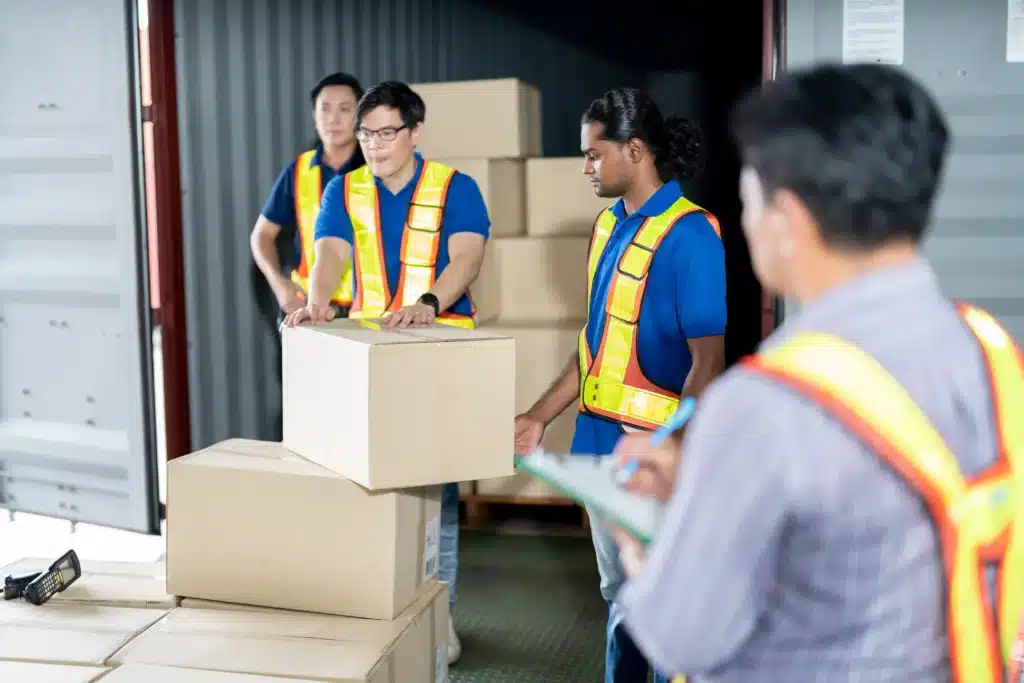
Leaving Singapore temporarily involves more than booking flights and arranging accommodation overseas. You also need to decide what to do with the belongings you are leaving behind.
For homeowners, tenants, and expatriates, maintaining an entire home while staying overseas may not always be practical. Furniture, clothing, kitchen appliances, and personal collections still require proper care even when nobody is using them.
Using storage for temporary overseas in Singapore helps address these challenges by providing a dedicated space for belongings that you want to keep but do not currently need.
Here are several common situations where temporary storage can help:
- Overseas work assignments: Employees relocating for several months can store furniture and household belongings instead of transporting everything overseas.
- Studying abroad: Students can keep books, clothing, electronics, and personal items in storage during their time overseas.
- Extended holidays: Travellers can organise their belongings before leaving Singapore for an extended period.
- Temporary relocation: Families moving overseas can store furniture and household items while deciding on their next living arrangements.
- Property transitions: Homeowners who are renting out or renovating their properties can temporarily move belongings into storage.
Having a dedicated storage arrangement gives you more flexibility when planning your departure and return.
What Items Should You Store Before Going Overseas?
Before choosing a storage unit, take some time to identify which belongings you want to keep in Singapore. Not everything needs to travel with you, and some household items are better kept in storage until they are needed again.
1. Furniture and Household Items
Large furniture pieces can occupy considerable space, especially when you are preparing to leave an entire apartment.
Consider storing:
- Sofas and armchairs
- Dining tables and chairs
- Bed frames and mattresses
- Bookshelves and cabinets
- Side tables and decorative furniture
Clean and dry furniture before packing. Disassemble larger pieces where possible and keep screws, bolts, and other small components in labelled bags.
2. Clothing and Personal Belongings
Seasonal clothing, shoes, bags, and accessories can be stored if you do not need them during your overseas stay.
Wash and completely dry clothing before placing it in storage. Use suitable storage containers to protect items from dust and make future unpacking easier.
Avoid storing damp fabrics, as trapped moisture can cause unpleasant odours and damage.
3. Electronics and Appliances
Some household electronics and appliances may be worth keeping in Singapore rather than transporting them internationally.
Examples include:
- Monitors and computer accessories
- Small kitchen appliances
- Entertainment equipment
- Unused household electronics
Clean appliances and disconnect all cables before packing. Follow the manufacturer’s storage recommendations, especially for electronic equipment containing batteries.
4. Sports and Recreational Equipment
Sports equipment can be bulky and difficult to transport when moving overseas temporarily.
Items such as bicycles, fitness accessories, camping equipment, and recreational gear may be suitable for storage, depending on their condition and the facility’s storage policies.
If you have equipment that you only use occasionally, explore practical storage for sports equipment in Singapore to learn how to organise these belongings more effectively.
5. Important Personal Collections
Books, decorative items, hobby collections, and other personal belongings may also require additional space.
Use protective packaging and label each container clearly. For particularly valuable or irreplaceable items, consider whether a specialist storage or alternative arrangement would be more appropriate.
How to Choose the Right Temporary Storage Solution
Choosing a storage unit should depend on the amount of space you need, how long you will be overseas, and whether you need access to your belongings during your absence.
A suitable storage arrangement should be practical, affordable, and flexible enough to accommodate changes in your travel plans.
Compare Different Storage Options
There are several ways to manage belongings when leaving Singapore temporarily.
| Storage option | Best suited for | Main consideration |
|---|---|---|
| Self-storage | Furniture, boxes, and household belongings | You organise and manage your unit |
| Mobile self-storage | People who prefer an integrated storage and moving arrangement | Check collection and delivery arrangements |
| Traditional warehousing | Larger quantities of goods | Access and handling arrangements may differ |
| Leaving items at home | Small quantities of belongings | Requires suitable home security and maintenance |
Self-storage is particularly useful when you want a dedicated space for your belongings without keeping them in an unused room or apartment.
Consider Storage Unit Size
Selecting the right storage size helps prevent unnecessary rental expenses.
Start by estimating how many boxes, furniture pieces, and appliances you intend to store. Consider the dimensions of larger items rather than relying only on their quantity.
For example:
- Small storage spaces may accommodate cartons, luggage, and smaller household items.
- Medium-sized units may suit several furniture pieces and household boxes.
- Larger units may be more appropriate for storing the contents of multiple rooms.
The actual capacity depends on furniture dimensions, packaging, and stacking arrangements.
It is also helpful to leave some space for practical organisation rather than filling every available area.
Check Rental Duration and Flexibility
Your overseas plans may change due to work arrangements, academic schedules, or personal circumstances.
Before signing a storage agreement, check:
- Minimum rental duration.
- Monthly rental charges.
- Deposit requirements.
- Notice period for ending the rental.
- Conditions for extending your storage period.
- Availability of different unit sizes.
The Storage Place provides monthly storage arrangements, with a minimum rental period of one month stated in its website FAQ. Always confirm the latest rental terms and quotation before making a booking.
For additional details, explore its storage rental service in Singapore to understand the available storage arrangements.
How to Prepare Your Belongings Before Leaving Singapore
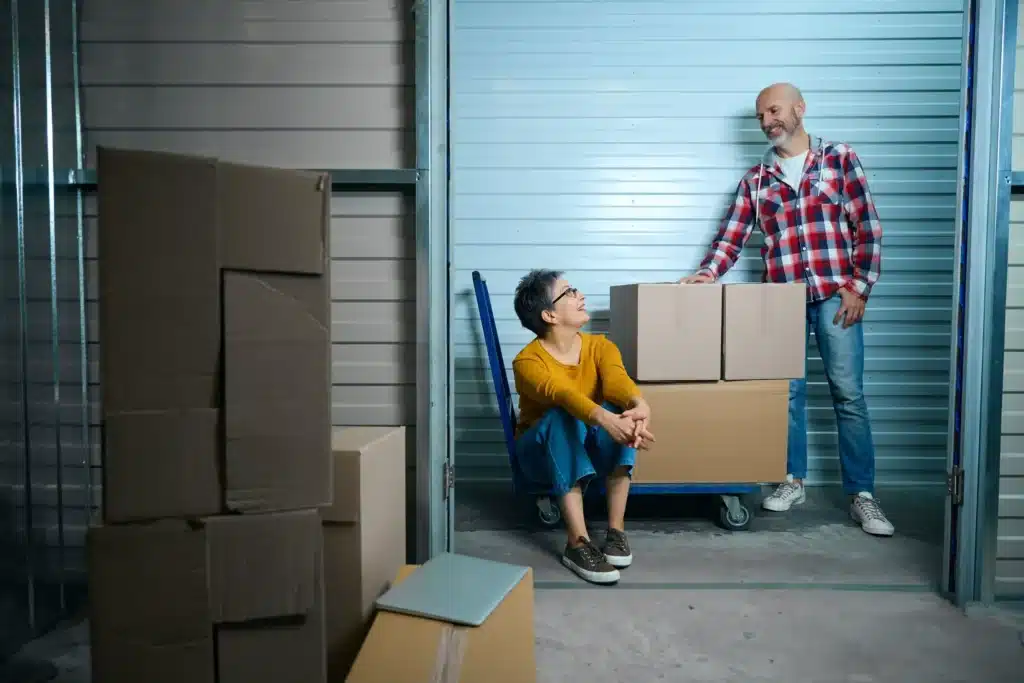
Proper preparation is important because your belongings may remain in storage for several months.
A little organisation before departure can make it much easier to retrieve your items when you return.
Step 1: Sort and Declutter Your Belongings
Start by dividing your possessions into three categories:
- Items to bring overseas.
- Items to keep in Singapore.
- Items to sell, donate, or dispose of.
This simple process prevents unnecessary storage costs and helps you focus on the belongings that genuinely need to be kept.
Step 2: Clean Everything Before Packing
Dust, dirt, and moisture can affect stored belongings over time.
Before packing:
- Wipe furniture surfaces.
- Wash and dry clothing.
- Clean kitchen appliances.
- Remove food residues.
- Make sure containers are completely dry.
Do not pack wet or damp items into sealed boxes.
Step 3: Use Appropriate Packing Materials
Choose packaging based on the type of item.
| Item | Recommended packing method |
|---|---|
| Clothing | Clean storage containers or suitable garment bags |
| Books | Strong cartons with manageable weight |
| Glassware | Protective wrapping and sturdy boxes |
| Electronics | Original packaging or suitable protective materials |
| Furniture | Furniture covers and protective wrapping |
| Documents | Labelled, protective document containers |
Avoid overloading cartons, especially when storing heavy books or household equipment.
Step 4: Create a Storage Inventory
An inventory helps you remember what you have stored and where everything is located.
Your inventory can include:
| Category | Item | Quantity | Storage location |
|---|---|---|---|
| Furniture | Dining chairs | 4 | Unit A |
| Clothing | Seasonal clothing boxes | 3 | Unit A |
| Electronics | Computer monitor | 1 | Unit B |
| Household | Kitchen appliances | 2 | Unit B |
You can also photograph your packed belongings and save the pictures digitally.
Step 5: Arrange Storage Before Your Departure
Do not leave storage arrangements until the last few days before your flight.
Contact your chosen provider early to discuss availability, unit sizes, rental terms, and transportation requirements.
If you need assistance moving larger belongings, check whether the provider also offers moving services.
What Should You Look for in a Storage Facility?
Not all storage facilities offer the same services. When selecting storage for temporary overseas in Singapore, consider the following factors.
Security and Facility Management
Security should be one of your main considerations when leaving belongings unattended for several months.
Look for facilities with appropriate security arrangements, such as:
- CCTV monitoring.
- Controlled access systems.
- Clearly defined access procedures.
- Proper facility management.
- Suitable storage conditions.
The Storage Place states that its facilities offer 24/7 CCTV and controlled access systems. You should confirm the specific security arrangements at your selected location.
Accessibility
Although you may not need frequent access while overseas, accessibility becomes important if your travel plans change.
Check the facility’s access arrangements, operating procedures, and whether someone can assist with retrieval if necessary.
The Storage Place advertises 24/7 access to its storage units, subject to the applicable facility arrangements.
Location and Convenience
Consider a storage facility that is convenient for your home, workplace, or moving arrangements.
The Storage Place operates facilities in several Singapore locations, including Lavender, Serangoon, Jurong West, Geylang, and Bishan.
Choosing a convenient location can make dropping off or collecting your belongings easier.
Transparent Pricing
Compare the complete rental cost rather than looking at the advertised monthly price alone.
Ask about:
- Monthly rental fees.
- Security deposits.
- Transportation charges.
- Packing materials.
- Additional handling services.
- Rental extension arrangements.
A clear quotation helps you understand the financial commitment before leaving Singapore.
Common Mistakes to Avoid When Storing Belongings Overseas
Even with a suitable storage unit, poor preparation can create unnecessary problems.
Here are several mistakes worth avoiding.
1. Packing everything without sorting
Storing unnecessary belongings increases the amount of space required. Declutter before arranging your unit.
2. Forgetting to label boxes
Unlabelled cartons make it difficult to identify items when you return. Use clear labels and maintain an inventory.
3. Storing damp belongings
Moisture can affect clothing, furniture, and other household items. Always clean and dry everything before packing.
4. Ignoring rental agreements
Understand your payment arrangements, minimum rental period, notice requirements, and extension conditions.
5. Forgetting important documents
Keep passports, travel documents, financial records, and essential personal documents accessible rather than placing them among general household storage.
6. Not planning your return
Consider how you will retrieve and transport your belongings when you return to Singapore. If necessary, arrange delivery or moving assistance in advance.
A Simple Storage Plan Before Going Overseas
If you are unsure where to begin, follow this practical preparation timeline.
| Timeline | What to do |
|---|---|
| 4 weeks before departure | Sort belongings and estimate storage requirements |
| 3 weeks before departure | Compare facilities and request quotations |
| 2 weeks before departure | Purchase packing materials and organise transportation |
| 1 week before departure | Clean, pack, label, and prepare your inventory |
| A few days before departure | Complete storage arrangements and check your rental documents |
This timeline can be adjusted depending on the size of your household and how much time you have before leaving Singapore.
Pro Tips: Make Temporary Storage Easier
A few simple habits can make your storage experience more organised.
- Keep an updated digital inventory of stored belongings.
- Use consistent labels for every carton.
- Store frequently needed items where they are easier to identify.
- Keep rental documents and payment records in digital form.
Remember: Good storage preparation is not about fitting as many belongings as possible into one unit. It is about keeping the right items organised, protected, and accessible when you need them again.
Conclusion: Find Reliable Storage for Temporary Overseas in Singapore with The Storage Place
Preparing for an extended overseas stay requires careful planning, especially when deciding what to do with your belongings in Singapore. From furniture and clothing to appliances and recreational equipment, proper storage helps keep your possessions organised while you focus on your overseas commitments.
The Storage Place provides storage solutions for individuals, families, and businesses, including self-storage, mobile self-storage, and integrated moving services. With multiple facilities across Singapore and flexible monthly storage arrangements, customers can explore options that suit their storage requirements.
Ready to prepare for your overseas stay? Visit The Storage Place to explore available storage solutions, request a quotation, and find a suitable space for your belongings before leaving Singapore.
Frequently Asked Questions
What is temporary overseas storage in Singapore?
It is a storage solution for keeping personal belongings in Singapore while you are travelling, studying, or working overseas.
How long can I rent a temporary storage unit?
Rental duration depends on the provider’s terms. The Storage Place offers monthly storage arrangements.
What items can I keep in temporary storage?
You can store furniture, clothing, books, appliances, and other permitted household belongings.
How do I choose the right storage unit size?
Estimate the number and dimensions of your belongings, then consult the storage provider for a suitable unit.
Is self-storage suitable for people relocating overseas?
Yes. Self-storage provides a dedicated space for belongings you want to keep in Singapore while staying abroad.