
Home renovations can quickly turn a comfortable space into a busy worksite. Dust, paint, tools, construction materials, and constant movement can put furniture and personal belongings at risk while also making it harder for contractors to work efficiently.
The benefits of storage during home renovations go beyond simply creating extra space. Moving furniture and valuables into a secure off-site storage facility can protect them from renovation damage, improve workflow, reduce household clutter, and give homeowners more flexibility when renovation schedules change.
For Singapore homes, where living spaces can be limited, temporary storage can be particularly useful during larger renovation projects.
Why Use Storage During a Home Renovation?
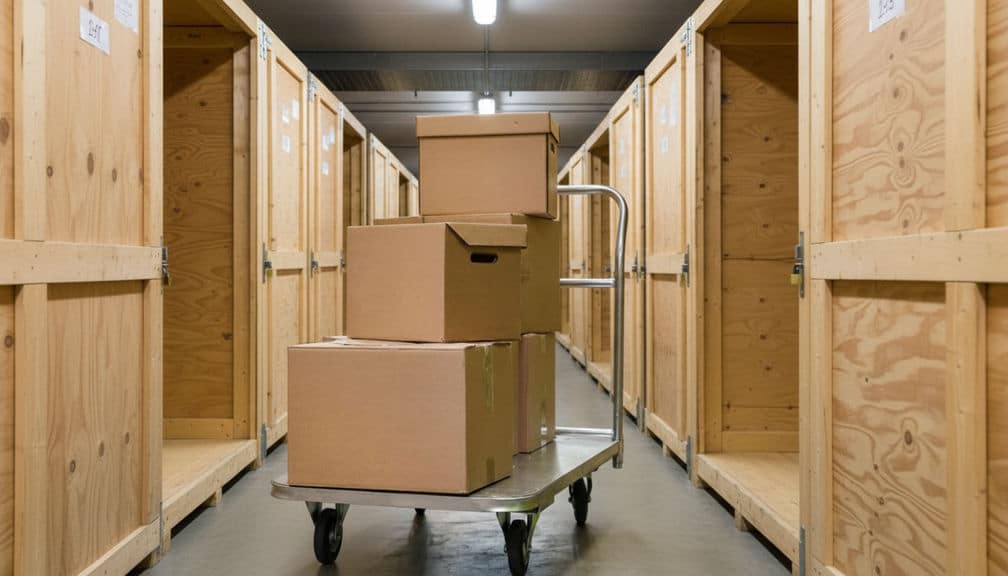
The benefits of storage during home renovations are often underestimated, but anyone who has gone through a major remodel knows how chaotic things can get. Dust, debris, and displaced furniture quickly pile up, leStorage during a renovation provides a controlled space for belongings while construction work takes place at home. It keeps furniture and valuables away from dust, accidental impact, paint, moisture, and the general movement of a renovation site.
Instead of trying to cover everything with sheets or move furniture from one room to another, homeowners can temporarily relocate non-essential belongings until the renovation is finished.
1. Protects Furniture From Dust and Accidental Damage
One of the biggest benefits of storage during home renovations is better protection for furniture. Hacking, drilling, sanding, painting, and installation work can create fine dust and debris that settle on sofas, cabinets, tables, mattresses, electronics, and decorative items.
Even when furniture is covered, protection is not always complete. Plastic coverings can also trap moisture when used incorrectly, which may create additional problems for certain materials.
Moving valuable furniture away from the renovation area removes much of this exposure. Items can then remain in a dedicated storage environment until the home is ready.
For detailed preparation advice, see these best practices for storing furniture, including cleaning, disassembly, breathable coverings, elevation, and proper placement.
2. Creates More Working Space for Contractors
A clear renovation site is easier to work in than a room filled with furniture and boxes. Contractors need space to move materials, operate equipment, install fixtures, and access walls, floors, and ceilings.
Removing unnecessary belongings gives workers a more open working area and reduces the need to repeatedly move furniture around the property.
This can also help reduce avoidable interruptions. When contractors can access the work area directly, the renovation process becomes more organized and easier to manage.
On-Site Storage vs Off-Site Storage
| Factor | Keeping Items at Home | Off-Site Storage |
|---|---|---|
| Dust exposure | High during construction | Much lower |
| Available working space | Limited | More space at renovation site |
| Furniture protection | Depends on coverings | Dedicated storage environment |
| Household clutter | Remains during renovation | Significantly reduced |
| Contractor access | Can be restricted | Clearer work areas |
| Flexibility | Limited by home space | Items can remain stored until needed |
| Best suited for | Small, low-disruption work | Larger or multi-room renovations |
3. Makes the Renovation Site Safer
Renovation sites naturally contain more potential hazards than an ordinary home. Tools, cables, building materials, furniture, and boxes can occupy floors and walkways.
Removing unnecessary belongings reduces the number of obstacles around the work area. This gives contractors more room to move and makes it easier for homeowners to navigate the property when necessary.
For households that continue living at home during renovation, this extra space can make daily movement more manageable as well.
4. Reduces Clutter and Renovation Stress
Renovating a home already involves many decisions, from materials and colours to schedules and contractor coordination. Having furniture and personal belongings scattered around the house adds another layer of frustration.
Temporary storage gives homeowners a place to put items they do not need during the renovation. Instead of repeatedly shifting furniture between rooms, belongings can stay in one organized location until the project is ready for the final stage.
This is one of the less obvious benefits of storage during home renovations, but it can make the overall experience feel much more manageable.
Pro Tip: Don’t wait until the first day of renovation to arrange storage. Decide what needs to leave the property before work begins, then schedule packing and removal around the renovation timeline.
5. Helps Prevent Damage to Valuable and Sensitive Items
Not everything in a home responds well to construction dust and changing environmental conditions. Wooden furniture, leather, upholstered pieces, artwork, documents, mattresses, and certain electronics may require additional protection.
A suitable storage environment can provide better conditions than leaving these items inside an active construction area. Climate-controlled storage can be particularly useful for belongings that are sensitive to humidity and temperature fluctuations.
This matters in Singapore, where the tropical climate makes moisture management an important consideration for stored furniture and household belongings.
The Storage Place provides storage solutions designed to help homeowners keep belongings away from the disruption of renovation work.
6. Gives You Flexibility When Renovation Schedules Change
Renovation timelines do not always follow the original plan. Material delays, additional work, design changes, or unexpected repairs can extend a project by days or weeks.
If furniture remains inside the home, every delay can mean more time spent living around boxes, dust, and construction materials.
With temporary storage, belongings can remain safely out of the way until the renovation is genuinely complete. This makes storage particularly useful for projects where the final handover date is uncertain.
7. Can Be More Cost-Effective Than Replacing Damaged Items
Storage adds another expense to a renovation budget, but the cost should be considered alongside the potential cost of damage.
Replacing a sofa, repairing a wooden dining table, restoring artwork, or replacing dust-damaged equipment can be considerably more inconvenient than temporarily storing those items. The value is especially clear when the belongings are expensive, difficult to replace, or personally meaningful.
Homeowners can also reduce unnecessary waste by protecting and reusing furniture instead of discarding items that are still in good condition. Singapore’s National Environment Agency reported that domestic waste generated per person fell to 0.83 kg per day in 2025, reinforcing the importance of reducing and reusing household items where possible.
8. Makes Moving Back In More Organized
Storage can also help with the final stage of renovation. Rather than having every household item returned at once, homeowners can bring belongings back in stages according to how each room is completed.
For example, furniture for a renovated bedroom can be returned after the flooring, painting, and cleaning are finished. Kitchen appliances and dining furniture can follow once their respective areas are ready.
This approach makes unpacking more systematic and reduces the chance of damaging freshly completed surfaces.
What Should You Store During a Renovation?
The right items to move into storage depend on the renovation scope, but homeowners commonly store:
- Sofas and armchairs
- Dining tables and chairs
- Beds and mattresses
- Cabinets and wardrobes
- Rugs and curtains
- Artwork and decorations
- Books and personal collections
- Small household appliances
- Electronics
- Fragile or sentimental belongings
Not every item needs to leave the property. Everyday essentials can remain accessible, while bulky, valuable, fragile, or non-essential belongings are better candidates for temporary storage.
Before storing anything, clean and completely dry it, remove detachable components where appropriate, label boxes clearly, and avoid overcrowding. These simple steps make retrieval easier and reduce the risk of damage.
How to Plan Storage Before Renovation Starts

The best time to arrange storage is before construction begins, not after the house is already full of dust and equipment.
Homeowners can also consider self storage in Singapore to keep furniture, appliances, and personal belongings safely stored until the renovation is complete.
Start by creating an inventory of the belongings that will stay, move into storage, be donated, or be disposed of. Furniture and valuables should be prepared and packed before the contractor begins major work.
It is also worth checking the storage facility’s:
- Available unit sizes
- Security measures
- Access arrangements
- Environmental conditions
- Rental flexibility
- Loading and unloading process
- Policies for furniture and fragile items
If you have furniture that is no longer needed but remains in good condition, consider whether it can be reused, donated, repaired, or resold rather than automatically throwing it away. NEA provides guidance on donation, resale, repair, and disposal options for household furniture in Singapore.
Why Storage Is Worth Considering for Your Next Renovation
The benefits of storage during home renovations are most noticeable when a project involves multiple rooms, significant furniture, or several weeks of construction. Off-site storage protects belongings, clears valuable working space, improves safety, reduces clutter, and gives homeowners more flexibility when renovation plans change.
For smaller projects, you may only need to store a few bulky pieces. For a full-home renovation, moving most non-essential belongings out of the property can make a much bigger difference.
With the right preparation and storage environment, homeowners can focus on the renovation itself instead of constantly worrying about where their belongings are or whether they will survive the construction process.
Conclusion: Make Renovation Easier With the Right Storage
The benefits of storage during home renovations come down to one simple idea: keep your belongings away from unnecessary renovation risks while giving contractors the space they need to work.
From protecting furniture and reducing dust exposure to improving safety and making the move back in easier, temporary storage can be a practical part of renovation planning. The key is to arrange it early, prepare belongings properly, and choose a storage solution that matches the length and scale of your project.
Planning a renovation in Singapore? The Storage Place can help you keep your furniture and household belongings safely stored while your home gets its makeover. Explore storage solutions at The Storage Place
FAQs (Frequently Ask Questions)
Do I really need storage during a home renovation?
Yes. Storage is useful during home renovations because it protects furniture and belongings from dust, debris, accidental damage, and construction activity.
What should I put in storage during a renovation?
Furniture, mattresses, electronics, artwork, decorations, books, rugs, and other non-essential household items can be placed in storage during renovation.
Is it better to store furniture at home or in a storage unit during renovation?
Yes. Moving furniture into storage creates more open space for contractors, making it easier to carry out renovation work and reducing obstacles around the property.
How long should I keep my belongings in storage during a renovation?
For most renovations, belongings should remain in storage until construction, cleaning, and major installation work are completed. Flexible storage periods can be useful if the renovation schedule changes.
Can storage help make a renovation less stressful?
Yes. Proper storage can reduce clutter, protect valuable belongings, improve safety, and make the renovation process more organized from start to finish.