
Overview: Understanding the Best Practices for Packing Fragile Items
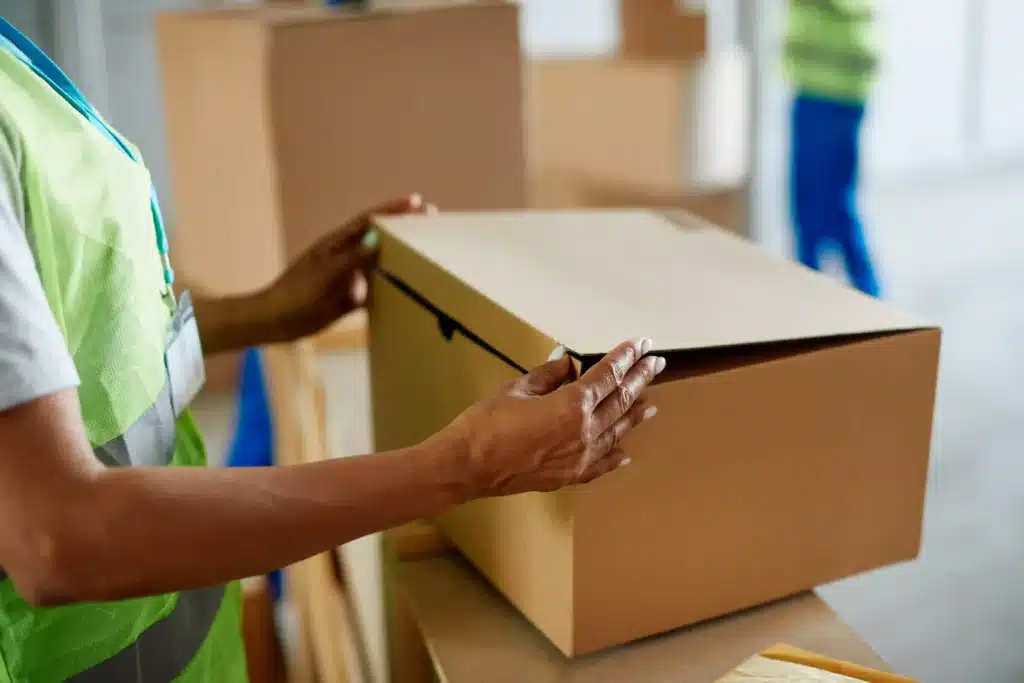
The term best practices for packing fragile items refers to proven methods used to protect delicate belongings such as glassware, electronics, artwork, ceramics, antiques, and sentimental valuables during moving, shipping, or storage. Fragile items are highly vulnerable to:
- Impact damage
- Pressure cracks
- Moisture exposure
- Improper stacking
- Sudden movement during transportation
Using proper packing techniques minimizes the risk of breakage while improving organization and moving efficiency. Whether you are relocating to a new apartment, downsizing, renovating, or using temporary storage, understanding how to pack fragile belongings correctly can save both money and stres.
Why Proper Packing for Fragile Items Matters
Many people underestimate how easily fragile items can be damaged during transportation. Even a short-distance move can result in broken valuables if items are not properly secured.
Common Causes of Damage
The most common reasons fragile items break during moving include:
- Using weak or oversized boxes
- Insufficient cushioning materials
- Poor labeling
- Overpacking boxes
- Improper stacking in vehicles or storage units
To make the moving process safer and more organized, it’s important to work with experienced storage and relocation professionals who understand how to handle delicate belongings properly. Visit The Storage Place homepage to explore reliable moving, packing, and storage solutions designed to protect your valuables every step of the way
Moving Industry Statistics
Research from moving and storage service providers suggests:
- Nearly 25% of moving-related damage involves fragile household items
- Proper cushioning can reduce breakage risk by up to 60%
- Double-boxing significantly improves protection for delicate valuables
Essential Packing Materials for Fragile Items
Before packing begins, gathering the right materials is critical.
Recommended Packing Supplies
Here are the most effective materials used by professional movers:
| Packing Material | Purpose |
|---|---|
| Bubble wrap | Shock absorption |
| Packing paper | Prevents scratches |
| Foam sheets | Cushioning delicate surfaces |
| Strong cardboard boxes | Structural protection |
| Packing tape | Secures boxes firmly |
| Corner protectors | Protects framed items |
| Labels & markers | Identification and handling |
Pro Tips
Avoid using old damaged boxes because weakened cardboard can collapse under pressure
Step-by-Step Best Practices for Packing Fragile Items
1. Wrap Every Item Individually
Each fragile object should be protected separately.
Recommended Process
- Wrap the item with packing paper
- Add bubble wrap around the surface
- Secure with tape gently
- Avoid overly tight wrapping
2. Use the Right Box Size
Oversized boxes create unnecessary movement inside the package.
Ideal Box Guidelines
- Small boxes for heavy fragile items
- Medium boxes for glassware
- Double-wall boxes for electronics
| Item Type | Recommended Box |
|---|---|
| Plates | Small reinforced box |
| Wine glasses | Divider box |
| TV & monitors | Original packaging |
| Artwork | Flat specialty box |
3. Add Cushioning at the Bottom
Professional movers always create a shock-absorbing base.
Best Cushioning Materials
- Crumpled packing paper
- Foam padding
- Soft towels (temporary alternative)
4. Fill Empty Spaces
Empty gaps allow movement inside boxes. Common fillers :
- Air pillows
- Packing peanuts
- Rolled paper
- Foam inserts
The goal is to prevent shifting while maintaining balanced weight distribution.
5. Label Boxes Clearly
Never skip labeling. Important labels :
- HANDLE WITH CARE
- FRAGILE
- THIS SIDE UP
Best Practices for Packing Specific Fragile Items
Packing Glassware
Glass items are among the most commonly damaged belongings.
Best Methods
- Wrap stems separately
- Use divider boxes
- Store vertically when possible
Packing Plates and Ceramics
Instead of stacking plates flat:
- Pack them vertically like records
- Add foam or cardboard between layers
Packing Electronics
Electronics require protection from:
- Impact
- Dust
- Static electricity
- Moisture
Recommended Practices
- Use original packaging if available
- Remove batteries
- Organize cables separately
To ensure maximum protection for valuable devices during relocation, many homeowners also choose professional electronics packing solutions that are specifically designed to reduce the risk of impact, dust, and moisture damage. Learn more about our specialized electronics packing service here:
Electronics Packing Service in Singapore: Expert Care for Your Valuable Devices
Packing Mirrors and Artwork
Artwork and mirrors need edge protection. Professional tips :
- Use corner guards
- Wrap with moving blankets
- Mark “Do Not Stack”
Storage Considerations for Fragile Items
Sometimes fragile belongings need temporary storage during relocation or renovation.
Important Storage Factors
- Temperature control
- Humidity management
- Stable shelving
- Limited stacking pressure
Why Storage Quality Matters
Poor storage conditions can cause:
- Warping
- Cracks
- Mold damage
- Electronic corrosion
Common Mistakes to Avoid
Even careful movers can make avoidable mistakes.
Frequent Packing Errors
- Overfilling boxes
- Using newspaper on delicate surfaces
- Forgetting cushioning layers
- Mixing heavy and fragile items
- Rushing the packing process
Simple Conclusion
The faster you rush, the higher the risk of damage.
Expert Insights on Fragile Item Protection
Professional moving and storage specialists consistently emphasize preparation and organization as the key foundations of safe packing. Experienced movers understand that fragile protection is not only about wrapping items carefully, but also about reducing movement, controlling weight distribution, and using proper storage techniques throughout the relocation process.
Studies in moving logistics have shown that organized packing systems can significantly lower breakage incidents while improving unpacking efficiency. This is why reputable storage and relocation providers recommend systematic labeling, quality packing materials, and dedicated storage solutions for delicate belongings.
Pro Tips for Packing Fragile Items
Quick Professional Tips
- Pack heavier items at the bottom
- Never leave empty spaces inside boxes
- Use double-boxing for expensive valuables
- Label every fragile container clearly
- Avoid stacking fragile boxes too high
Conclusion and Professional Storage Solutions
Following the best practices for packing fragile items can dramatically reduce stress, prevent costly damage, and create a smoother moving experience. Proper materials, organized packing methods, and safe storage strategies all play an important role in protecting delicate belongings.
If you need reliable support for moving, storage, or fragile item protection, professional solutions can make the process significantly safer and more efficient. If you want a smoother and more organized relocation experience, our professional moving services are designed to help transport your belongings safely and efficiently while reducing the stress of moving day. Explore our moving solutions here: Moving Services
Explore our website to discover secure storage options, expert moving support, and flexible space solutions designed to protect your valuables every step of the way. At The Storage Place, we combine practical moving expertise, secure storage solutions, and customer-focused support to help make every relocation experience safer and more efficient. Learn more about our company, experience, and commitment to quality service on our About Us page
Frequently Ask Question (FAQs)
What are the best practices for packing fragile items during a move?
The best practices include wrapping each item individually, using strong boxes, adding cushioning materials, filling empty spaces, and labeling boxes clearly as fragile. These steps help minimize movement and reduce the risk of breakage.
What materials are best for protecting fragile items?
Professional movers commonly use:
- Bubble wrap
- Packing paper
- Foam sheets
- Divider boxes
- Heavy-duty cardboard boxes
These materials provide cushioning and structural protection during transportation and storage.
How should glassware and dishes be packed safely?
Glassware should be wrapped individually and packed using divider boxes whenever possible. Plates and dishes are safer when packed vertically with protective padding between each item to reduce pressure and impact damage.
Can fragile items be stored safely for long periods?Can fragile items be stored safely for long periods?
Yes, fragile belongings can be stored safely when placed in clean, secure, and climate-controlled storage spaces. Proper humidity and temperature management help prevent cracking, moisture damage, and material deterioration.
What are the most common mistakes when packing fragile items
Some of the most common mistakes include:
- Overpacking boxes
- Leaving empty gaps inside boxes
- Using weak packaging materials
- Mixing heavy items with delicate objects
- Skipping proper labeling
Avoiding these mistakes significantly improves protection during moving and storage.