
Moving into a new home is exciting, but seeing dozens of boxes stacked in every room can quickly feel overwhelming. Instead of unpacking randomly, having a clear strategy helps you settle in faster and keeps unnecessary stress to a minimum. That’s why learning how to prioritize items for unpacking is one of the smartest steps you can take after relocation.
Prioritizing items for unpacking means organizing your belongings based on necessity, frequency of use, and room importance. Rather than opening every box immediately, you unpack the items that support your daily routine first, followed by less essential belongings over the next few days or weeks.
Whether you’ve moved into a condominium, HDB flat, landed property, or office in Singapore, a structured unpacking plan helps you:
- Feel comfortable sooner
- Reduce clutter
- Prevent misplaced belongings
- Improve household organization
- Save valuable time
Professional moving and storage providers often recommend unpacking in phases instead of trying to finish everything in one day. This approach is more practical, less stressful, and easier to manage.
Why Prioritizing Your Unpacking Matters
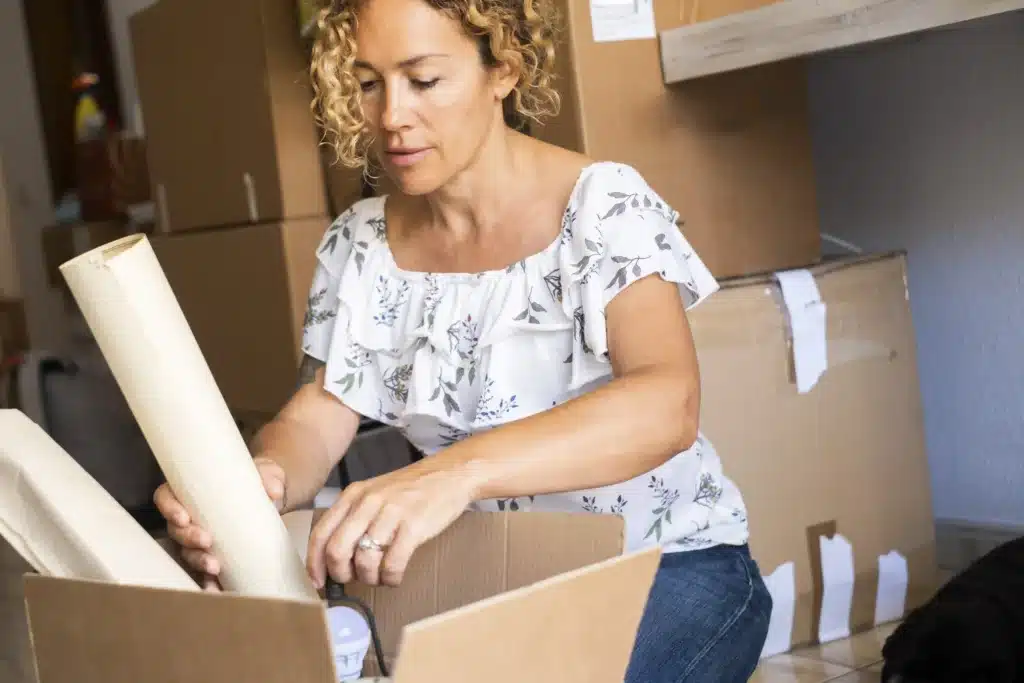
Unpacking without a plan often creates more work than necessary. Opening every box at once can leave your new home cluttered and make it difficult to find important items.
A structured unpacking process helps you:
- Create functional living spaces immediately
- Reduce decision fatigue
- Protect fragile belongings
- Organize rooms efficiently
- Maintain a cleaner environment
Instead of focusing on unpacking everything, focus on making your home livable first.
Common Challenges After Moving
Many homeowners experience:
- Missing essential items
- Cluttered walkways
- Unorganized furniture placement
- Delayed room setup
- Difficulty locating important documents
Planning ahead eliminates many of these problems.
Pro Tip : Pack an “Essentials Box” before moving day containing everything you’ll need during your first 24–48 hours.
The First Items You Should Unpack
The first day after moving should focus only on necessities.
Priority 1: Essential Daily Items
These include:
- Toiletries
- Medication
- Mobile chargers
- Wallets and important documents
- Basic cleaning supplies
- Towels
- Change of clothes
Having these readily available reduces unnecessary searching.
Priority 2: Kitchen Essentials
Once personal necessities are unpacked, move to the kitchen.
Start with:
- Plates
- Cups
- Cutlery
- Basic cookware
- Coffee maker or kettle
- Food containers
Preparing simple meals at home helps restore normal routines quickly.
Priority 3: Bedroom Setup
Good sleep is essential after a physically demanding move.
Prioritize:
- Mattress
- Bed frame
- Pillows
- Blankets
- Bed linens
Even if the rest of the home remains packed, having one comfortable room makes a significant difference.
Pro Tip : Complete one bedroom entirely before moving to other areas of the house.
Recommended Unpacking Order by Room
A room-by-room strategy helps maintain organization throughout the process.
| Priority | Room | Reason |
|---|---|---|
| 1 | Bedroom | Rest and recovery |
| 2 | Bathroom | Daily hygiene |
| 3 | Kitchen | Meal preparation |
| 4 | Living Room | Family comfort |
| 5 | Home Office | Productivity |
| 6 | Storage Areas | Low urgency |
| 7 | Decoration | Final touches |
Following this order helps establish a functional home much faster.
How to Organize Boxes Before Unpacking
Organization starts before opening a single box.
Label Every Box Clearly
Include:
- Room destination
- Contents
- Fragile indicator
- Priority level
Example:
- Kitchen – Priority 1
- Bedroom – Priority 1
- Living Room – Priority 2
This simple system speeds up unpacking dramatically.
Group Similar Items Together
Avoid mixing unrelated belongings.
Instead, keep:
- Kitchen items together
- Bathroom supplies together
- Electronics together
- Clothing together
This minimizes confusion.
Keep Frequently Used Items Accessible
Daily essentials should never be buried beneath decorative items or seasonal belongings.
Pro Tip : Use colored labels for different rooms to make unloading and unpacking even faster.
What Can Wait Until Later?
Not everything needs immediate attention.
Items that can remain packed temporarily include:
- Holiday decorations
- Extra furniture
- Books
- Memorabilia
- Seasonal clothing
- Collectibles
These belongings can be unpacked gradually after daily routines have been established.
Common Unpacking Mistakes to Avoid
Many people unintentionally make the moving process more stressful. Many unpacking problems actually begin during the packing stage. Choosing professional packing and unpacking services helps ensure every item is packed securely, labeled correctly, and unpacked systematically, reducing the risk of damage and unnecessary delays. Packing and Unpacking Services.
Trying to Finish Everything in One Day
Unpacking too quickly often leads to:
- Exhaustion
- Poor organization
- Forgotten belongings
Take your time.
Ignoring Labels
Opening random boxes wastes valuable time.
Filling Cabinets Immediately
Leave flexibility for adjustments before permanently organizing storage spaces.
Throwing Away Boxes Too Soon
Keep boxes for several days in case furniture needs repositioning or unexpected returns are necessary.
Pro Tip : Flatten empty boxes only after confirming every important item has been unpacked safely.
How Storage Solutions Can Simplify Unpacking
Sometimes not every belonging needs to enter the home immediately.
Many homeowners use storage units to temporarily keep:
- Extra furniture
- Seasonal decorations
- Sports equipment
- Archived documents
- Bulky appliances
This creates a cleaner living environment while allowing homeowners to unpack only what they currently need.
Professional storage solutions also reduce clutter during renovations or phased relocations.
At The Storage Place, customers can combine secure storage with moving support, making relocation and unpacking much more manageable while protecting valuable household belongings.
Sample 7-Day Unpacking Plan
Instead of rushing, spread unpacking across one week.
| Day | Main Focus |
|---|---|
| Day 1 | Essentials, bedroom, bathroom |
| Day 2 | Kitchen |
| Day 3 | Living room |
| Day 4 | Wardrobes and clothing |
| Day 5 | Home office |
| Day 6 | Storage organization |
| Day 7 | Decorations and final adjustments |
This schedule makes unpacking feel much more achievable.
Conclusion: Make Unpacking Easier with The Storage Place
Learning how to prioritize items for unpacking helps transform a stressful move into a smooth and organized experience. By focusing on essential belongings first, following a room-by-room strategy, and unpacking gradually, homeowners can settle into their new homes comfortably without feeling overwhelmed.
If your new home feels crowded after moving, temporary storage can also make the unpacking process much easier. Keeping rarely used furniture, seasonal items, or excess belongings in a secure storage facility allows you to organize your living space at a comfortable pace.
At The Storage Place, we provide secure self-storage solutions, flexible rental options, and professional moving support to help homeowners throughout every stage of relocation. Whether you’re moving into a condo, HDB, or landed property, our storage services help you stay organized while protecting your belongings.
Visit The Storage Place today to discover flexible storage and relocation solutions that make moving and unpacking simpler, safer, and more efficient.
Final Pro Tip
Remember these five essentials for successful unpacking:
- Unpack daily essentials first
- Complete one room before starting another
- Keep boxes clearly labeled
- Store non-essential items separately if needed
- Give yourself time—an organized home is built step by step
FAQs (Frequently Asked Questions)
Should I unpack everything immediately?
No. Focus on essential rooms first before unpacking decorative or seasonal items.
Which room should be unpacked first?
The bedroom is usually the highest priority because quality rest supports recovery after moving.
How long should unpacking take?
Most households complete essential unpacking within 2–3 days and finish organizing the home within one to two weeks.
Should I keep moving boxes?
Yes. Keep them for several days until you’ve confirmed that everything has arrived safely and is no longer needed.
Can storage units help during unpacking?
Yes. Temporary storage is ideal for furniture, seasonal belongings, and bulky household items that are not immediately required.