
Managing long-term storage is more than simply placing items into boxes and locking a unit. In 2026, effective long-term storage involves proper organization, climate protection, inventory management, and preventive maintenance to ensure your belongings remain in excellent condition for months or even years.
Whether you are storing household furniture, business inventory, seasonal items, or sentimental valuables, planning ahead can save you from unnecessary damage, mold, pests, or costly replacements later. Choosing a reliable storage provider like The Storage Place also plays a major role in maintaining the safety and condition of your items over time.
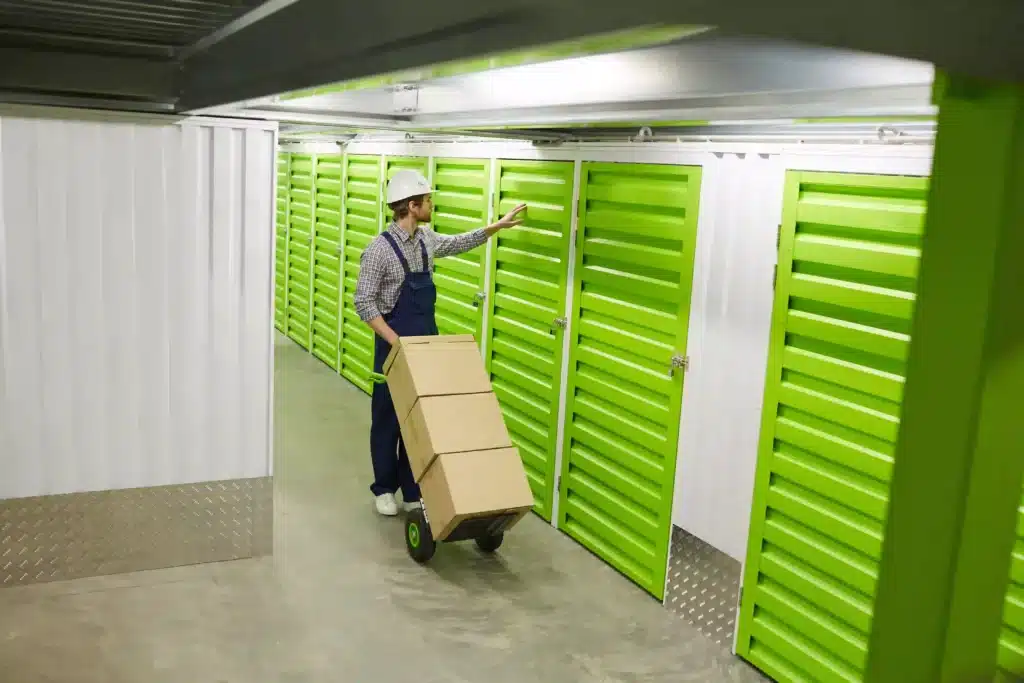
Why Managing Long-Term Storage Matters
Long-term storage requires a different approach compared to short-term storage. Items stored for extended periods are exposed to environmental changes, humidity, dust accumulation, and potential deterioration if not packed correctly.
Properly managing long-term storage helps:
- Prevent moisture and mold damage
- Reduce the risk of pests
- Preserve electronics and furniture
- Maintain organization for easy retrieval
- Protect important documents and valuables
- Extend the lifespan of stored belongings
Without a clear storage strategy, even high-quality items can suffer irreversible damage over time.
Common Challenges in Long-Term Storage
Many people underestimate the effects of prolonged storage. Understanding the most common problems helps you avoid them before they happen.
Moisture and Humidity
Singapore’s humid climate can damage wood, leather, paper, clothing, and electronics. Moisture buildup may also lead to mold growth and unpleasant odors.
Poor Packing Materials
Weak cardboard boxes, improper tape, or plastic wrapping can deteriorate after long periods. Inferior packing supplies often collapse under weight or attract pests.
Disorganized Storage Layout
When boxes are stacked randomly, accessing specific items becomes difficult. Disorganization also increases the risk of crushing fragile belongings.
Lack of Inventory Tracking
Over time, people often forget what they stored. Missing labels and incomplete inventories create confusion and wasted time.
Comparison Table: Short-Term vs Long-Term Storage
| Feature | Short-Term Storage | Long-Term Storage |
|---|---|---|
| Storage Duration | A few days to months | Several months to years |
| Packing Requirements | Basic protection | Heavy-duty protection |
| Climate Control Importance | Moderate | Essential |
| Inventory Management | Optional | Highly recommended |
| Maintenance Checks | Minimal | Periodic inspections needed |
| Risk of Damage | Lower | Higher without preparation |
How to Prepare Items for Long-Term Storage
Preparing items correctly is the foundation of successful long-term storage. Every item should be cleaned, protected, and packed to withstand extended periods in storage.
Clean Everything Before Packing
Dust, dirt, and moisture trapped inside boxes can worsen over time. Furniture, appliances, clothing, and kitchenware should be fully cleaned and dried before storage.
For example:
- Wash and dry fabrics completely
- Empty and sanitize refrigerators
- Polish wooden furniture
- Remove batteries from electronics
Clean items are less likely to attract pests or develop odors during storage.
Use Durable Packing Supplies
Investing in high-quality materials significantly improves protection.
Recommended supplies include:
- Heavy-duty storage boxes
- Plastic bins with secure lids
- Bubble wrap and foam padding
- Moisture absorbers
- Furniture covers
- Industrial-strength packing tape
Avoid overfilling boxes, as excessive weight can weaken them over time.
Best Practices for Organizing a Storage Unit
Efficient organization helps protect your belongings while making future access much easier.
Label Every Box Clearly
Use large, waterproof labels on multiple sides of each box. Include both the room category and general contents.
Examples:
- Kitchen – Glassware
- Office – Tax Documents
- Bedroom – Winter Clothing
Color-coded labels can further improve organization.
Create a Storage Map
A storage map acts as a guide to your unit layout. This is especially useful for larger storage spaces or long-term business storage.
Your map should identify:
- Frequently used items
- Fragile sections
- Large furniture placement
- Document storage areas
Digital inventory apps are also increasingly popular for managing long-term storage efficiently in 2026.
Leave Walkways Between Boxes
Avoid stacking everything tightly together. Small walking paths improve ventilation and allow easier inspections later.
Choosing Climate-Controlled Storage
Climate-controlled storage has become one of the most important considerations for long-term storage management. Temperature and humidity fluctuations can severely damage sensitive belongings.
Items that benefit most from climate control include:
- Electronics
- Artwork
- Wooden furniture
- Photographs
- Important documents
- Musical instruments
- Leather goods
At The Storage Place, selecting the right storage environment can help minimize long-term deterioration and preserve item quality for extended periods.
How to Protect Fragile and Valuable Items
Fragile belongings require additional protection during long-term storage. Proper cushioning and positioning reduce the risk of cracks, scratches, and pressure damage.
Wrap Items Individually
Glassware, ceramics, and electronics should always be wrapped separately using bubble wrap or foam sheets.
Avoid Plastic Wrapping on Certain Materials
Plastic can trap moisture against leather, wood, and fabric. Breathable covers are safer for long-term preservation.
Store Valuable Documents Properly
Use waterproof and fire-resistant containers for:
- Birth certificates
- Contracts
- Passports
- Financial records
For added protection, many people choose professional storage facilities with enhanced security systems.
Preventing Damage During Extended Storage
One of the biggest concerns in managing long-term storage is preventing avoidable damage over time. Proper preventive measures greatly reduce the chances of deterioration.
If you want additional guidance, read this helpful article on how to avoid damage in a storage unit for practical strategies that improve long-term storage safety.
Key preventive measures include:
- Using pallets to elevate boxes
- Avoiding direct sunlight exposure
- Rotating stored items occasionally
- Checking humidity levels regularly
- Keeping food and perishables out of storage
These small steps can make a major difference when storing belongings for years.
When to Use Professional Storage Services
Professional storage services are ideal when you lack sufficient home space, need stronger security, or require specialized storage conditions.
A reputable facility can provide:
- 24/7 surveillance
- Climate-controlled units
- Flexible unit sizes
- Pest management
- Advanced fire protection
- Convenient accessibility
Working with experienced providers like The Storage Place helps ensure your belongings remain secure, organized, and protected throughout the storage period.
Conclusion: Managing Long-Term Storage Successfully
Managing long-term storage effectively requires planning, organization, and proper protection methods. From choosing durable packing supplies to using climate-controlled units, every step contributes to preserving your belongings over time.
Whether you are storing personal items during relocation, decluttering your home, or protecting valuable business inventory, a professional storage solution can simplify the process and reduce risks significantly.
Explore secure and reliable storage solutions at The Storage Place to keep your belongings protected for the long term.
FAQs (Frequently Ask Question)
How do I prepare items for long-term storage?
Before placing items into storage, clean and dry everything thoroughly to prevent mold, odors, and pest issues. Use durable packing materials such as heavy-duty boxes, bubble wrap, and moisture absorbers to provide extra protection during extended storage periods.
Is climate-controlled storage necessary for long-term storage?
Climate-controlled storage is highly recommended for sensitive items such as electronics, wooden furniture, documents, artwork, and leather goods. It helps regulate temperature and humidity, reducing the risk of moisture damage and deterioration over time.
How can I prevent damage in a storage unit?
To prevent damage, avoid overstacking boxes, leave airflow space between items, use pallets to keep belongings off the floor, and inspect the unit periodically. Proper packing and moisture control are essential for managing long-term storage safely.
What items should not be placed in long-term storage?
Perishable food, hazardous materials, flammable items, and anything that can attract pests should not be stored long term. It is also best to avoid storing wet or damp items, as they can lead to mold growth inside the storage unit.
How often should I check my long-term storage unit?
It is recommended to inspect your storage unit every few months. Regular visits allow you to check for humidity issues, pests, damaged boxes, or shifting items before they become serious problems.