
Relocation and Storage Tips for Expats That Make International Moves Surprisingly Smooth

Relocating to another country is one of the most exciting life decisions you can make. It is also one of the most logistically complex. Relocation and Storage tips for expats are essential strategies designed to help international movers protect their belongings, reduce unexpected costs, and transition smoothly into a new environment.
From visa timelines and shipping logistics to climate differences and storage contracts, expats face challenges that domestic movers rarely encounter. Without the right plan, small mistakes can turn into expensive problems.
This guide breaks down practical, data-backed, and experience-driven strategies to help you relocate smarter, not harder.
Why Expats Need a Specialized Relocation Strategy
International relocation is different from local moving in three major ways:
| Factor | Domestic Move | International Move |
|---|---|---|
| Customs Clearance | Not required | Required |
| Shipping Timeline | Days | Weeks to months |
| Storage Needs | Short-term | Often mid- to long-term |
| Documentation | Minimal | Extensive |
According to global mobility reports, nearly 62% of expats underestimate shipping timelines, and 48% report unexpected storage costs during their first overseas relocation.
That is why structured Relocation and Storage tips for expats are critical. They reduce uncertainty and give you control over the moving process.
Pre-Move Planning Framework (90-Day Timeline)
One of the most overlooked Relocation and Storage tips for expats is starting early. A 90-day planning structure works best.
90 Days Before Departure
- Confirm visa and legal documents
- Research customs restrictions
- Audit belongings (keep, sell, donate, store)
- Request international moving quotes
- Compare storage solutions
60 Days Before Departure
- Book shipping container or air freight
- Secure temporary storage
- Notify banks and service providers
- Prepare inventory documentation
30 Days Before Departure
- Pack essentials separately
- Confirm pickup and delivery schedule
- Back up important documents digitally
- Arrange temporary accommodation
How to Decide What to Ship vs. Store
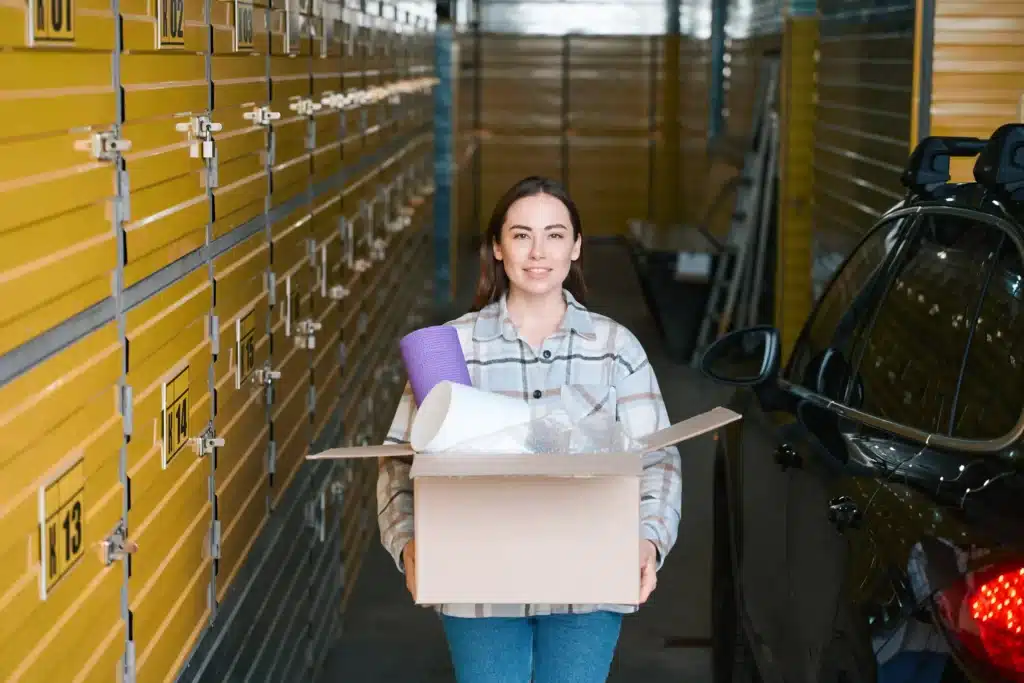
One of the most strategic Relocation and Storage tips for expats is understanding that not everything needs to travel with you.
If you are unsure whether large items like sofas, wardrobes, or dining tables should be shipped overseas or kept safely in storage, read our detailed guide on Furnitures in a Storage Unit to understand space planning, protection methods, and long-term storage considerations before making a decision.
Use this decision matrix:
| Item Type | Ship | Store | Sell |
|---|---|---|---|
| Sentimental items | ✓ | ✓ | |
| Seasonal clothing | ✓ | ||
| Large furniture | ✓ (if long-term move) | ✓ | |
| Appliances (voltage issues) | ✓ | ||
| Temporary duplicates | ✓ |
Climate Considerations
Moving from a tropical country to a colder region? You may not need all your current wardrobe immediately. In many cases, storing non-essential items for 6–12 months reduces international freight costs significantly.
Smart Storage Strategies for Expats
Storage is not just about space, it is about flexibility and protection.
When choosing storage, consider:
- Climate control
- 24/7 security monitoring
- Insurance options
- Flexible contract terms
- Easy access for retrieval
For expats who need transitional storage before, during, or after international relocation, explore our Personal Storage Solutions Designed for Expats to protect your belongings with secure, climate-controlled facilities.
A key part of Relocation and Storage tips for expats is understanding that temporary storage can prevent rushed decisions. especially if your overseas housing is not confirmed.
Cost Breakdown of International Relocation
Here is a realistic overview of typical international moving expenses:
| Cost Category | Estimated Percentage of Total Budget |
|---|---|
| Shipping | 35% |
| Storage | 15% |
| Insurance | 8% |
| Customs & Duties | 10% |
| Flights & Travel | 12% |
| Temporary Housing | 20% |
Many expats overspend on shipping because they underestimate storage needs. Applying practical Relocation and Storage tips for expats can reduce overall relocation expenses by up to 20%.
Common Mistakes Expats Make (And How to Avoid Them)
1. Booking Movers Too Late
Peak seasons (May–August) increase shipping rates by 25–40%.
2. Ignoring Local Regulations
Certain countries restrict wooden furniture, plants, and electronics.
3. Underestimating Storage Duration
Housing delays are common. Always plan for 1–3 months of buffer storage.
4. Skipping Insurance
International transit damage rates are higher than domestic moves.
5. Packing Without an Inventory
Customs delays frequently occur due to incomplete documentation.
Avoiding these mistakes is central to mastering Relocation and Storage tips for expats.
Storage Models for Expats (Visual Overview)
Below is a simplified relocation-storage model:
Country A (Origin)
↓
Sort & Inventory
↓
Ship Core Items → Destination Home
↓
Store Non-Essentials (Short-Term)
↓
Retrieve or Resell After Settlement
This hybrid strategy is one of the most recommended Relocation and Storage tips for expats by international mobility consultants.
Case Study – Efficient Relocation Strategy
A recent client relocating for a 2-year contract reduced shipping volume by 40% by storing non-essential furniture. Instead of moving everything, they:
- Stored heirloom items
- Sold large appliances
- Shipped only essentials
- Rented furnished accommodation overseas
Result:
- 18% total cost reduction
- Faster customs clearance
- Lower stress during transition
This real-world approach demonstrates how Relocation and Storage tips for expats work when implemented strategically.
How Professional Moving Services Simplify International Relocation
International relocation requires coordination across:
- Customs brokers
- Freight carriers
- Insurance providers
- Storage facilities
- Final-mile delivery
Working with experienced providers ensures your move follows compliance regulations and timeline precision.
Our team specializes in global coordination, secure handling, and tailored relocation planning. Discover how our Comprehensive Moving Services for International Relocation can streamline your transition from start to finish.
For a deeper look at how coordinated logistics, customs handling, and door-to-door freight solutions reduce relocation stress, this guide on How International Moving Services Can Simplify Your Relocation explains how professional international movers streamline complex overseas transitions.
Psychological Preparation for Expats
Relocation is not only logistical, it is emotional.
Research from expatriate adjustment studies shows:
- 70% of expats experience temporary adjustment stress.
- Clear relocation planning reduces anxiety by nearly 30%.
Structured Relocation and Storage tips for expats create psychological clarity. When your belongings and logistics are secured, your mental energy can focus on integration and adaptation.
Pro Tips:
- Always keep critical documents in your carry-on.
- Digitally scan passports, contracts, and insurance.
- Photograph high-value items before shipping.
- Choose storage with flexible access policies.
- Budget for currency exchange fluctuations.
Simple planning prevents complex problems.
Conclusion
Relocating internationally does not have to be overwhelming. With proper planning, professional support, and structured storage solutions, your move can become organized, cost-efficient, and stress-managed.
If you are preparing for an overseas transition, now is the time to plan smarter. Explore our relocation expertise and storage infrastructure to secure your move with confidence.
Visit The Storage Place website today to learn how we support expats worldwide with reliable moving coordination and secure storage solutions tailored to international transitions.
Your global journey deserves professional preparation.
Frequently Asked Questions
How far in advance should expats plan international relocation?
Ideally 2–3 months before departure to secure shipping slots and storage space.
Is storage necessary for short-term overseas assignments?
Yes, especially if housing abroad is temporary or furnished.
What items are most commonly stored?
Seasonal clothing, sentimental belongings, excess furniture, and business archives.
How long do expats typically use storage?
Most expats use storage between 3–12 months depending on housing confirmation.
How can I reduce international relocation costs?
Reduce shipping volume, compare freight options, and use flexible storage strategies.