
Self-storage vs garage storage comes down to where you keep your belongings, how much space you need, the level of security available, and how frequently you need access. Self-storage involves renting a dedicated unit at a storage facility, while garage storage uses available space in your home or building to organise household items, furniture, tools, and equipment. In Singapore, where living space can be limited, both options can help reduce clutter, but the right choice depends on your budget, property layout, and storage requirements.
What Is Self-Storage?
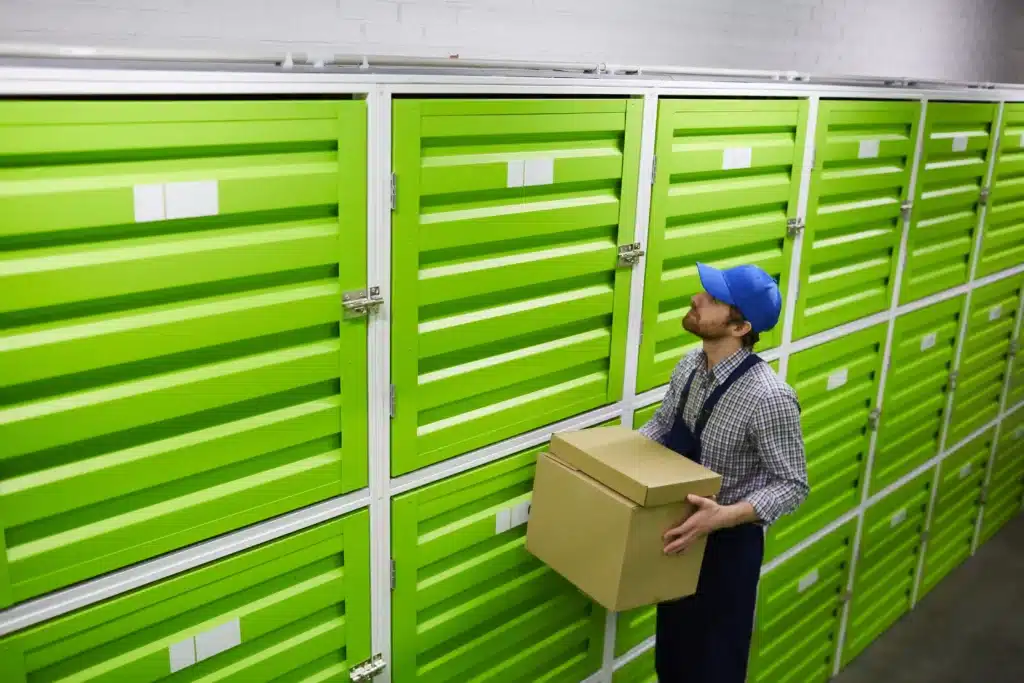
Self-storage is a service that allows individuals and businesses to rent a dedicated storage unit for personal belongings, furniture, seasonal items, documents, or inventory. Units are available in different sizes, making self-storage useful when your home or workplace does not have enough room for everything you need to keep.
Unlike storing items in a garage, self-storage separates your belongings from your everyday living or working environment. Depending on the facility, you may benefit from controlled entry, surveillance, individual unit locks, flexible rental arrangements, and additional moving or packing services.
At The Storage Place, self-storage solutions are available for individuals, families, and businesses that need additional space. This option can be especially useful during home renovations, relocation, decluttering, or changes in household storage needs.
Common Uses for Self-Storage
Self-storage can accommodate a variety of items, subject to the facility’s storage rules.
- Furniture: Sofas, tables, chairs, bed frames, and cabinets.
- Seasonal belongings: Holiday decorations, luggage, and sporting equipment.
- Household items: Books, clothing, kitchenware, and boxed possessions.
- Business inventory: Products, supplies, equipment, and selected documents.
- Moving and renovation items: Belongings that need to be kept elsewhere temporarily.
Before renting a unit, check its dimensions, access arrangements, security features, rental terms, and prohibited-item policy.
What Is Garage Storage?
Garage storage refers to organising belongings in an existing garage rather than renting a separate storage unit. Homeowners and tenants may use shelving, cabinets, storage bins, wall-mounted racks, or overhead systems to make better use of available space.
Garage storage can be convenient because your belongings remain on your property. You can retrieve frequently used tools, bicycles, household supplies, and outdoor equipment without travelling to another location.
However, a garage is not always suitable for every type of item. Temperature fluctuations, humidity, dust, pests, water exposure, and limited ventilation can affect stored belongings, depending on the garage’s condition.
Common Garage Storage Solutions
Several organisation methods can help maximise garage space:
- Wall-mounted shelving: Keeps boxes and supplies off the floor.
- Storage cabinets: Organises tools, cleaning equipment, and household accessories.
- Overhead racks: Uses suitable ceiling space for lightweight, infrequently accessed items.
- Stackable containers: Groups similar belongings and makes them easier to locate.
- Labelling systems: Helps identify contents without opening every box.
Keep walkways, entrances, electrical panels, and emergency access routes clear. Heavy items should be placed on stable shelving designed to support their weight.
Self-Storage vs Garage Storage: Key Differences
Self-storage and garage storage differ in cost structure, available space, accessibility, security, and environmental conditions. Comparing these factors helps you determine whether to reorganise existing space or rent a separate unit.
| Comparison factor | Self-storage | Garage storage |
|---|---|---|
| Location | Dedicated storage facility | Home or building garage |
| Space | Choose from available unit sizes | Limited by existing garage dimensions |
| Cost | Recurring rental fees and possible additional charges | Organisation equipment and maintenance costs |
| Accessibility | Depends on facility operating and access policies | Usually available whenever you can access the property |
| Security | May include CCTV, controlled entry, and individual locks | Depends on garage locks and home security |
| Environment | Conditions vary by facility; specialised protection must be confirmed | Exposed to the garage’s temperature, humidity, and ventilation conditions |
| Flexibility | Can free up space at home and may allow unit changes subject to availability | Depends on existing layout and storage equipment |
| Best suited for | Excess furniture, household belongings, and business inventory | Frequently used items and belongings that fit comfortably on-site |
Neither option is automatically better for every situation. The practical choice depends on what you intend to store, how long you need the space, and the conditions required to protect your belongings.
1. Cost: Which Storage Option Fits Your Budget?
Garage storage can cost less when you already have enough unused space, while self-storage requires recurring rental payments. However, the overall cost depends on how much garage space is available, what organisation equipment you need, and how long you need additional storage.
Understanding Self-Storage Costs
Self-storage fees generally depend on unit size, location, rental duration, and any additional services. Some providers may also charge deposits, administrative fees, or fees for optional services.
Before signing an agreement, request a complete quotation and clarify the rental period, payment schedule, deposit terms, and any conditions for changing unit sizes.
Understanding Garage Storage Costs
Garage storage may involve one-time or occasional expenses for shelving, cabinets, containers, wall mounts, and installation. If the garage is already organised, the additional cost could be relatively low.
However, if the garage is filled with items that prevent you from parking a vehicle or using the space effectively, you may need additional equipment or a separate storage solution.
Pro Tip: Compare the total cost over your expected storage period rather than looking only at the initial price. Include rental fees, equipment purchases, transport, and any additional services.
2. Space: How Much Room Do You Need?
Self-storage provides access to a separate rented space, whereas garage storage is limited to the floor area and vertical space available in your property. If your belongings occupy essential living areas or prevent you from using your garage for its intended purpose, moving some items to an external unit may be practical.
When Self-Storage Makes Sense
Consider self-storage when you have bulky furniture, numerous boxes, seasonal belongings, or items that you want to retain but do not need at home every day.
It can also help households manage temporary changes, such as renovation work, relocation, or the arrival of new furniture.
For more household-specific guidance, read self storage for families in Singapore to explore how external storage can support changing family needs.
When Garage Storage Makes Sense
Garage storage works well when you have enough unused space for tools, bicycles, sports equipment, gardening supplies, and other belongings that you use regularly.
A combination of shelving, labelled boxes, and suitable cabinets can improve organisation without requiring a separate rental unit.
3. Accessibility: How Often Will You Need Your Belongings?
Garage storage generally provides convenient access because your belongings are kept at home. Self-storage requires a trip to the facility, and access depends on its operating hours, entry procedures, and rental agreement.
If you regularly use an item, keeping it nearby may be more practical than storing it externally. If you only need an item occasionally, a dedicated storage unit can help keep your home organised.
Before choosing a facility, check:
- Whether access is available daily.
- Whether there are restricted access hours.
- How visitors or authorised users enter the facility.
- Whether loading and unloading areas are available.
- Whether you need to book access or arrange assistance.
At The Storage Place, prospective customers can review the available storage options and confirm the relevant access arrangements before renting.
4. Security: How Well Are Your Belongings Protected?

Security depends on the actual features and management of the storage space, not simply whether it is inside or outside your home. Self-storage facilities may offer surveillance systems, controlled access, and individual unit locks, while garage security depends on the building, doors, locks, and wider home security arrangements.
When comparing self-storage facilities, ask about entry controls, surveillance coverage, incident procedures, and responsibility for stored goods. Do not assume that every facility offers identical security measures or insurance coverage.
For garage storage, use secure cabinets where appropriate, keep doors locked, and avoid displaying valuable belongings through windows or open entrances.
Regardless of the option you choose, check whether your home insurance or storage agreement covers the items you intend to keep there.
5. Environmental Conditions: Will Your Items Need Extra Protection?
Environmental conditions can affect furniture, paper, clothing, electronics, and other sensitive belongings. A garage may experience changes in temperature and humidity, while a self-storage unit may have similar limitations unless the facility specifically provides suitable environmental controls.
For long-term storage, take the following precautions:
- Clean and thoroughly dry belongings before packing.
- Use sturdy boxes and appropriate protective materials.
- Keep items off the floor where moisture exposure is possible.
- Avoid packing damp clothing, upholstery, or bedding.
- Use suitable covers for furniture while allowing appropriate ventilation.
- Ask the provider about humidity management or climate control if needed.
Wooden furniture, leather, photographs, and important documents may require particular care. Check the manufacturer’s storage recommendations for delicate or sensitive items.
Pro Tip: Never assume that an indoor storage unit is climate-controlled. Confirm the actual environmental conditions and whether they suit your belongings before committing to a rental.
Which Option Should You Choose?
The right choice between self-storage and garage storage depends on your available space, budget, access requirements, and the condition needed to preserve your belongings.
Choose garage storage when you have sufficient room at home and want convenient access to frequently used items. Choose self-storage when you need more space than your property can provide, want to separate excess belongings from your living environment, or require temporary storage during a move or renovation.
For some households, combining both options is the most practical approach. Everyday tools and frequently used equipment can stay in the garage, while excess furniture, seasonal decorations, and boxed belongings can be stored externally.
Quick Decision Checklist
| Your situation | Option to consider |
|---|---|
| You need daily access to tools and equipment | Garage storage |
| Your garage is already full | Self-storage |
| You are renovating your home | Self-storage |
| You have a small apartment with excess furniture | Self-storage |
| You have unused garage space and few items | Garage storage |
| You need to store household belongings temporarily | Self-storage |
| You need extra room for business inventory | Self-storage or business storage |
Review your belongings before deciding. Separate items you use regularly from those you only need occasionally, estimate the space required, and compare the full cost of each option.
Conclusion: Find the Right Storage Solution for Your Needs
Self-storage vs garage storage is ultimately a decision about space, convenience, cost, security, and the care your belongings require. Garage storage offers convenient access to items kept at home, while self-storage provides additional space when your existing property is no longer sufficient.
If you need more room for household belongings, furniture, or business inventory, explore the available options from The Storage Place. Review the unit sizes, rental terms, security arrangements, and access policies to find a storage solution that fits your needs in Singapore.
Frequently Asked Questions
Is self-storage better than garage storage?
Self-storage can be more suitable when you need additional space outside your home, while garage storage is convenient for items you use frequently. The right choice depends on your budget, available space, and storage requirements.
Is garage storage cheaper than self-storage?
Garage storage can be cheaper if you already have unused space and only need basic organisation equipment. Self-storage involves recurring rental fees, but it may be worthwhile when your garage cannot accommodate your belongings.
Can I store furniture in a self-storage unit?
Yes, many self-storage facilities accept furniture, subject to their terms and restrictions. Clean and dry furniture before storing it, protect vulnerable surfaces, and confirm that the unit dimensions are sufficient.
Is self-storage suitable for families in Singapore?
Yes. Self-storage can help families manage excess furniture, seasonal belongings, toys, and household items, particularly when living space is limited or the household is undergoing renovation or relocation.
What should I check before renting a self-storage unit?
Check the unit size, total rental cost, deposit and contract terms, access arrangements, security features, environmental conditions, and prohibited items. Confirm these details with the provider before moving your belongings into the unit.