
What Is Storing Antiques Items?
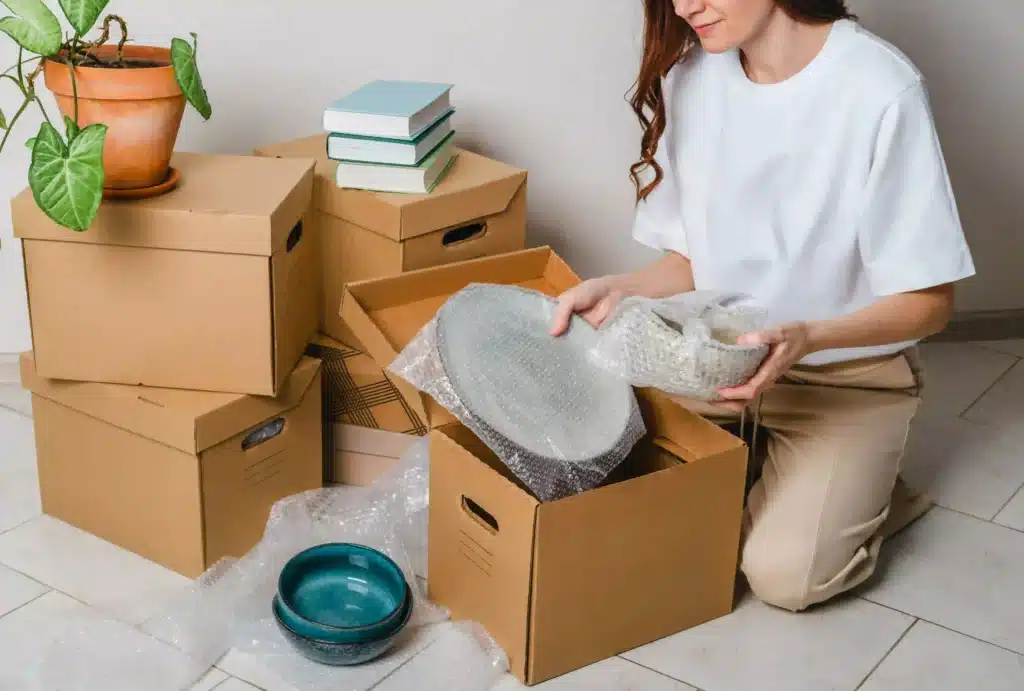
Storing Antiques items refers to the specialized process of preserving valuable, aged, or collectible objects in controlled environments to prevent deterioration, physical damage, and value loss. Unlike regular storage, antique preservation requires climate control, material-specific protection, careful handling, and security protocols.
Antiques are not just old objects. They are historical assets, emotional heirlooms, and often financial investments. Improper storage can cause irreversible issues such as warping, mold growth, fading, oxidation, or pest damage.
Whether you are a collector, estate manager, interior designer, or inheritor of family treasures, mastering Storing Antiques items is essential to maintaining both aesthetic integrity and market value.
Why Proper Antique Storage Matters More Than You Think
The global art and antiques market was valued at over $65 billion in recent years, with collectibles showing consistent long-term appreciation. However, experts estimate that improper storage causes up to 20–30% value depreciation in privately held antiques.
Common Risks When Storing Antiques Incorrectly
- Temperature fluctuations causing wood expansion and contraction
- High humidity leading to mold and mildew
- UV exposure fading textiles and paintings
- Acidic packing materials degrading paper and fabric
- Metal corrosion due to moisture
- Pest infestations damaging organic materials
In short, Storing Antiques items improperly can turn priceless heirlooms into unsellable artifacts.
Understanding Material Sensitivity in Antiques
Different materials react differently to environmental conditions. Below is a quick-reference guide:
| Material Type | Ideal Temperature | Ideal Humidity | Major Risk |
|---|---|---|---|
| Wood Furniture | 18–22°C | 45–55% | Warping & cracking |
| Paintings | 18–21°C | 45–55% | Canvas shrinkage |
| Paper Documents | 16–20°C | 30–50% | Yellowing & brittleness |
| Textiles | 16–20°C | 40–50% | Mold & fiber decay |
| Metals | 15–20°C | Below 50% | Rust & tarnish |
When planning for Storing Antiques items, climate stability is more important than exact numbers. Sudden changes cause the most damage.
Step-by-Step Guide to Storing Antiques Items Safely
Step 1: Assess and Document
Before moving anything:
- Photograph every item.
- Record dimensions and existing damage.
- Note material composition.
- Consider professional valuation.
Documentation protects insurance claims and resale value.
Step 2: Clean Carefully (But Don’t Over-Restore)
Light dusting is acceptable. Avoid:
- Water-based cleaning on wood
- Harsh chemicals
- DIY polishing on metals
- Repainting or refinishing
Preservation always outweighs cosmetic perfection when Storing Antiques items.
Step 3: Use Archival-Grade Packing Materials
Recommended materials:
- Acid-free tissue paper
- Unbuffered archival boxes
- Bubble wrap (non-direct contact with surfaces)
- Cotton covers for furniture
- Silica gel for moisture control
Never use newspaper. The ink transfers and accelerates deterioration.
Step 4: Choose the Right Storage Environment
A professional Self Storage solution with climate control is often the safest option for long-term preservation.
Look for:
- 24/7 security monitoring
- Humidity regulation
- Pest management
- Clean, elevated flooring
- Fire prevention systems
If you’re unsure where to start, explore our Self Storage solutions designed for valuable collections to ensure safe and controlled conditions.
Climate Control: The Invisible Protector
Here is a simple diagram to understand environmental impact:
Temperature ↑ → Wood expands → Cracks form when cooling Humidity ↑ → Mold growth → Fabric & paper damage UV Exposure ↑ → Fading → Permanent color loss Air Pollutants → Oxidation → Metal corrosion
Professional facilities offering Storing Antiques items services use HVAC systems with humidity stabilizers to maintain consistency year-round.
Security Considerations for Valuable Antiques
High-value antiques require layered protection:
- CCTV surveillance
- Restricted access control
- Insurance compatibility
- Private storage units
- Inventory tracking systems
Security is a critical part of Storing Antiques items, especially for rare collectibles or estate pieces.
Case Study: A Collector’s Lesson in Preservation
A private collector stored 19th-century mahogany furniture in a non-climate-controlled garage for three years. Result:
- 15% wood warping
- Visible mold spots
- $12,000 restoration cost
- 25% resale value loss
After transferring to a professional facility specialized in Storing Antiques items, further damage stopped immediately.
The lesson: Prevention costs less than restoration.
Short-Term vs Long-Term Antique Storage
| Storage Duration | Key Consideration |
|---|---|
| Under 3 months | Protective wrapping may suffice |
| 3–12 months | Climate stability required |
| Over 1 year | Professional storage strongly recommended |
If you’re relocating, renovating, or downsizing, professional storage ensures antiques remain untouched by environmental stress.
Packing Techniques by Antique Type
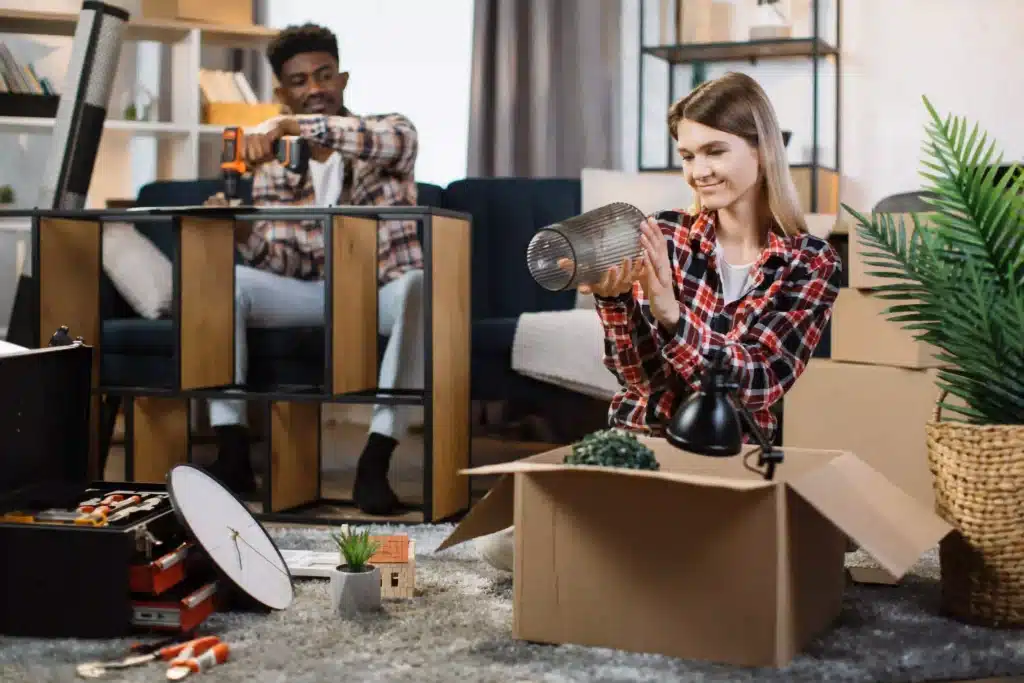
Furniture
- Disassemble when possible
- Wrap legs separately
- Elevate from floor
Paintings
- Store upright
- Avoid stacking
- Use corner protectors
Glass & Ceramics
- Double-box fragile items
- Cushion empty spaces
- Label clearly
Documents & Books
- Store flat in acid-free folders
- Avoid plastic sleeves without ventilation
Mastering these techniques enhances your success in Storing Antiques items long term. For expats managing valuable belongings during a move, our Relocation and Storage Tips for Expats in Singapore guide offers practical insights on protecting furniture, heirlooms, and personal collections while settling into a new home.
Signs Your Antiques Are Not Stored Properly
Watch for:
- Musty smell
- Visible condensation
- Cracked varnish
- Peeling paint
- Rust formation
These are early warnings that your current storage environment is unsafe. If you’d like additional expert guidance on preservation techniques and professional handling standards, you can explore How To Properly Store Your Antiques and Art for deeper insights into protecting valuable pieces the right way.
When to Choose Professional Storage Rental
If your collection includes:
- High-value estate items
- Multiple material types
- Inherited heirlooms
- Investment-grade antiques
Then a specialized Storage Rental service tailored for delicate and valuable items is the safest option.
Professional facilities understand the science behind Storing Antiques items and invest in environmental engineering to prevent loss.
The Financial Value of Proper Storage
Antiques appreciate best when preserved correctly.
- Well-maintained antiques can increase 3–5% annually.
- Restoration can cost 20–50% of an item’s value.
- Insurance claims may be denied if improper storage is proven.
Proper Storing Antiques items is not an expense, it is an asset protection strategy.
Narrative Insight: Protecting a Family Legacy
Imagine inheriting your grandmother’s 1920s vanity mirror. It carries stories, memories, and craftsmanship rarely seen today. Leaving it in an attic exposed to summer heat might slowly destroy its delicate wood frame.
But storing it in a climate-controlled environment ensures your future children see it exactly as you did.
That is the emotional power behind thoughtful Storing Antiques items practices.
Conclusion
Storing antiques items requires more than space. it demands climate stability, proper materials, careful handling, and strong security. As we’ve discussed, even small environmental changes can cause lasting damage and reduce both sentimental and financial value. Prevention is always more affordable than restoration.
If you want true peace of mind, professional storage ensures your antiques remain protected for years to come. Visit The Storage Place website and take the next step in safeguarding your collection.
Pro Tips:
- Maintain stable temperature and humidity.
- Use archival packing materials only.
- Avoid direct sunlight exposure.
- Elevate items off the floor.
- Invest in professional storage for long-term preservation.
Protecting antiques is not about hiding them away, it is about honoring their history and ensuring their future.
Frequently Asked Questions
What temperature is best for storing antiques?
Most antiques are safest between 18–22°C with stable humidity between 45–55%.
Can I store antiques in a regular garage?
Garages are not recommended due to temperature swings, moisture, and pests.
How do I prevent mold on antique furniture?
Use climate-controlled storage and avoid wrapping items in plastic without airflow.
Is climate control really necessary?
Yes. Fluctuations cause expansion, contraction, and deterioration over time.
Should antiques be insured while in storage?
Absolutely. Insurance protects against unforeseen events like fire or theft.