
The importance of labeling boxes is easy to overlook when packing, but it can make a major difference when moving, unpacking, or storing belongings. A clear labeling system helps you identify contents quickly, handle boxes correctly, and keep your belongings organised long after packing day is over.
Whether you are preparing for a home move, renovation, office relocation, or long-term storage, every box should communicate useful information at a glance. At The Storage Place, we believe good organisation starts before your belongings enter a storage space, and proper labeling is one of the simplest ways to stay in control.
Why Is the Importance of Labeling Boxes So Significant?
The importance of labeling boxes lies in making packed belongings easier to identify, handle, retrieve, and unpack. Instead of opening multiple boxes to find one item, a clear label tells you what is inside, where it belongs, and whether it needs special handling.
This small step also creates a more efficient system for everyone involved. Family members, movers, colleagues, or storage users can understand how each box should be treated without relying on memory or guesswork.
1. It Saves Time When Searching for Items
Unlabeled boxes often create unnecessary work. After several weeks or months, it becomes difficult to remember exactly where specific belongings were packed, especially when many boxes look identical.
Specific labels make retrieval much faster. For example, writing “Kitchen – plates, mugs and serving bowls” is far more useful than simply writing “Kitchen.”
The same principle is especially useful when unpacking. Once you know what each box contains, you can decide what needs immediate attention and what can wait. For a smoother process, it also helps to plan how to prioritize items for unpacking so essential belongings are handled first.
2. It Reduces Confusion During Moving
Moving day can become hectic when dozens of boxes are being carried between rooms, vehicles, and a new property. Without clear labels, boxes may be placed in the wrong rooms, making the unpacking process longer than necessary.
Adding the destination room to every box gives movers and helpers a clear instruction. Labels such as “Master Bedroom,” “Study,” or “Living Room” make sorting easier from the moment boxes arrive.
The importance of labeling boxes becomes even clearer during larger household or office moves, where several people may be handling the same belongings.
Labeling Boxes vs Leaving Boxes Unlabeled
A few minutes spent labeling each box can save considerable time later. The difference between an organised labeling system and relying on memory becomes especially noticeable during storage and unpacking.
| Factor | Clearly Labeled Boxes | Unlabeled Boxes |
|---|---|---|
| Finding specific items | Faster and more straightforward | Requires opening and checking multiple boxes |
| Unpacking | Easier to prioritise by room or item type | Difficult to know what should be unpacked first |
| Fragile item handling | Clear instructions help prevent careless handling | Higher chance of items being handled incorrectly |
| Long-term storage | Contents remain easier to identify over time | Memory fades and boxes become difficult to distinguish |
| Organisation | Supports a structured inventory system | Creates more guesswork and clutter |
| Moving coordination | Others can identify destinations quickly | Boxes may be placed in incorrect areas |
A consistent labeling method does not need to be complicated. The goal is simply to provide enough information to make each box useful and identifiable.
Pro Tip: Use the same label format for every box. A simple combination of room/category + key contents + box number + handling instructions creates a reliable system that is easy to understand later.
How to Label Boxes More Effectively
The importance of labeling boxes is not just about adding words to cardboard. Labels work best when they are clear, consistent, visible, and specific enough to help you locate items without opening the box.
A practical system can include the following information:
- Room or category: Kitchen, bedroom, office, seasonal items, documents
- Contents summary: Plates and mugs, winter clothes, cables and chargers
- Handling instructions: Fragile, heavy, or this side up
- Box number: For example, Box 4 of 12
- Priority level: Open first, regular, or store long-term
For most households, a permanent marker and durable labels are enough. For larger moves or businesses, a numbered inventory sheet or digital record can provide an additional layer of organisation.
Label More Than One Side
A label placed only on the top of a box may become hidden once boxes are stacked. Label at least two visible sides so the information remains easy to read inside a moving vehicle or storage unit.
This is particularly useful for long-term storage, where boxes may be stacked closely together. At The Storage Place, an organised storage layout combined with visible labels can make future retrieval much simpler.
Avoid Vague Labels

Labels such as “Miscellaneous,” “Stuff,” or “Random Items” provide very little useful information. While you do not need to list every single item, the description should be specific enough to narrow down the contents.
Instead of:
- Miscellaneous
- Bedroom stuff
- Kitchen items
Try:
- Bathroom – towels and toiletries
- Bedroom – bedside lamps and chargers
- Kitchen – baking tools and measuring cups
Clear descriptions reduce the need to search through several boxes later.
Labels Help Protect Fragile and Valuable Belongings
The importance of labeling boxes also includes protecting items that require extra care. A box containing glassware, electronics, artwork, or other delicate belongings should communicate any necessary handling instructions clearly.
Labels such as “FRAGILE,” “HEAVY,” or “THIS SIDE UP” help make handlers aware that the contents need special attention. These instructions should complement proper packing rather than replace it, so fragile belongings should still be wrapped and secured appropriately before the box is sealed.
For valuable or sensitive items, avoid writing overly detailed descriptions on the outside if that could unnecessarily reveal what is stored. A simple internal numbering system linked to a private inventory can provide more detail while keeping the exterior label straightforward.
Should You Use Digital Tools for Box Labeling?
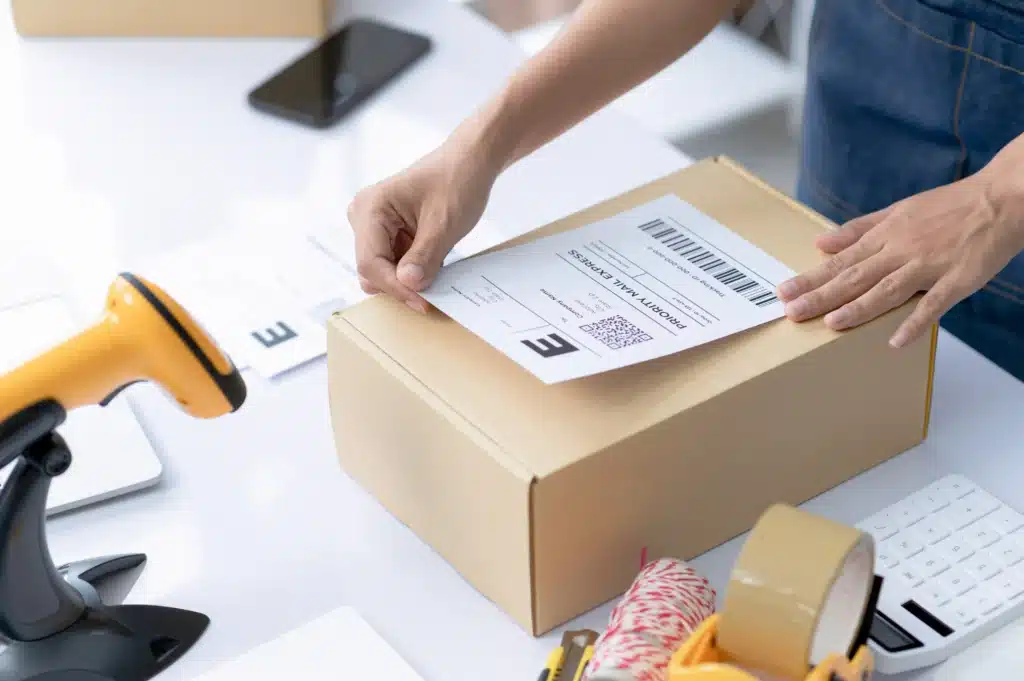
Digital tools can make the importance of labeling boxes even more useful for large households, businesses, or extensive storage collections. A physical label provides immediate identification, while a digital inventory can store additional details about each box.
For example, you might assign each box a number and record its contents in a spreadsheet. QR codes can also link a box number to a digital inventory where appropriate.
However, digital tracking should support—not replace—clear physical labels. You should still be able to identify the basic category and handling requirements without needing to scan a code or open an app.
For smaller moves, a simple paper inventory or numbered list is often sufficient. The best system is the one you can maintain consistently.
Common Box Labeling Mistakes to Avoid
Even when people remember to label their boxes, a few mistakes can reduce the usefulness of the system. The most common problem is creating labels that are too vague or inconsistent.
Avoid these mistakes:
- Labeling only one side of the box
- Using vague descriptions such as “miscellaneous”
- Forgetting handling instructions for delicate items
- Using different naming systems for similar boxes
- Relying entirely on memory instead of recording contents
- Placing labels where they can easily be covered or damaged
- Forgetting to update the label if the box contents change
A good labeling system should be easy to follow from the first box to the last. Consistency matters more than using complicated tools or technology.
The Importance of Labeling Boxes for a Less Stressful Unpacking Process
The importance of labeling boxes continues after the move itself. Clear labels make it easier to decide which boxes should be opened immediately and which ones can remain packed until later.
Essential boxes containing daily clothing, basic kitchen supplies, important documents, or other immediate necessities can be clearly marked as priority items. Less urgent belongings, such as decorations or seasonal items, can wait until you are ready.
Proper labeling becomes even more useful when boxes need to be stored for an extended period. With self storage from The Storage Place, you can keep labeled boxes, furniture, documents, seasonal items, and other belongings in an organised space that makes them easier to identify and retrieve when needed. Choosing the right storage solution and maintaining a clear labeling system can help make long-term storage more efficient and less stressful.
Conclusion: Store and Move Smarter with The Storage Place
The importance of labeling boxes comes down to one simple idea: clear information saves time, reduces confusion, and makes moving and storage easier to manage. A consistent label can help you find belongings faster, protect fragile items, organise your storage space, and make unpacking less stressful.
Taking a few extra moments to label boxes properly can continue benefiting you weeks, months, or even years later. Whether you are preparing for a move, decluttering your home, or storing belongings for the long term, The Storage Place can help you create a more organised storage experience.
Explore the storage solutions and practical moving resources available at The Storage Place and take the next step towards simpler, smarter organisation.
Frequently Asked Questions
Why is labeling boxes important when moving or storing items?
Labeling boxes makes it easier to identify your belongings, place boxes in the correct rooms, and find specific items without opening every box. It also helps make moving, storage, and unpacking more organised.
What information should I include on a box label?
Include the destination room or category, a brief description of the main contents, and any necessary handling instructions. For example, you can write “Kitchen – Plates and Mugs – Fragile.”
Should I label more than one side of each box?
Yes, it is best to label at least two visible sides of each box. This ensures you can still read the label easily when boxes are stacked or stored closely together.
How does labeling boxes help with long-term storage?
Clear labels help you remember what is inside each box, even after months of storage. This makes it faster to retrieve specific belongings and reduces the need to unpack or move multiple boxes unnecessarily.
Should I use numbers or an inventory list for my boxes?
Yes, numbering boxes and keeping a simple inventory list can provide extra organisation, especially when storing many items. You can match each box number with a more detailed list of its contents for easier tracking.