
Enhancing storage in a small living space means making better use of available floor area, wall space, furniture, and hidden storage areas to keep a home organised without sacrificing comfort. In Singapore, where apartments and condominiums may have limited storage capacity, practical organisation strategies can help residents maximise every corner while maintaining a functional and welcoming home.
Whether you live in an HDB flat, a condominium, a studio apartment, or a shared home, the key is to combine smart furniture choices, vertical storage, regular decluttering, and efficient organisation. When your belongings exceed the space available, external storage can also provide a practical solution for items you do not need every day.
1. Maximise Vertical Space with Wall-Mounted Storage
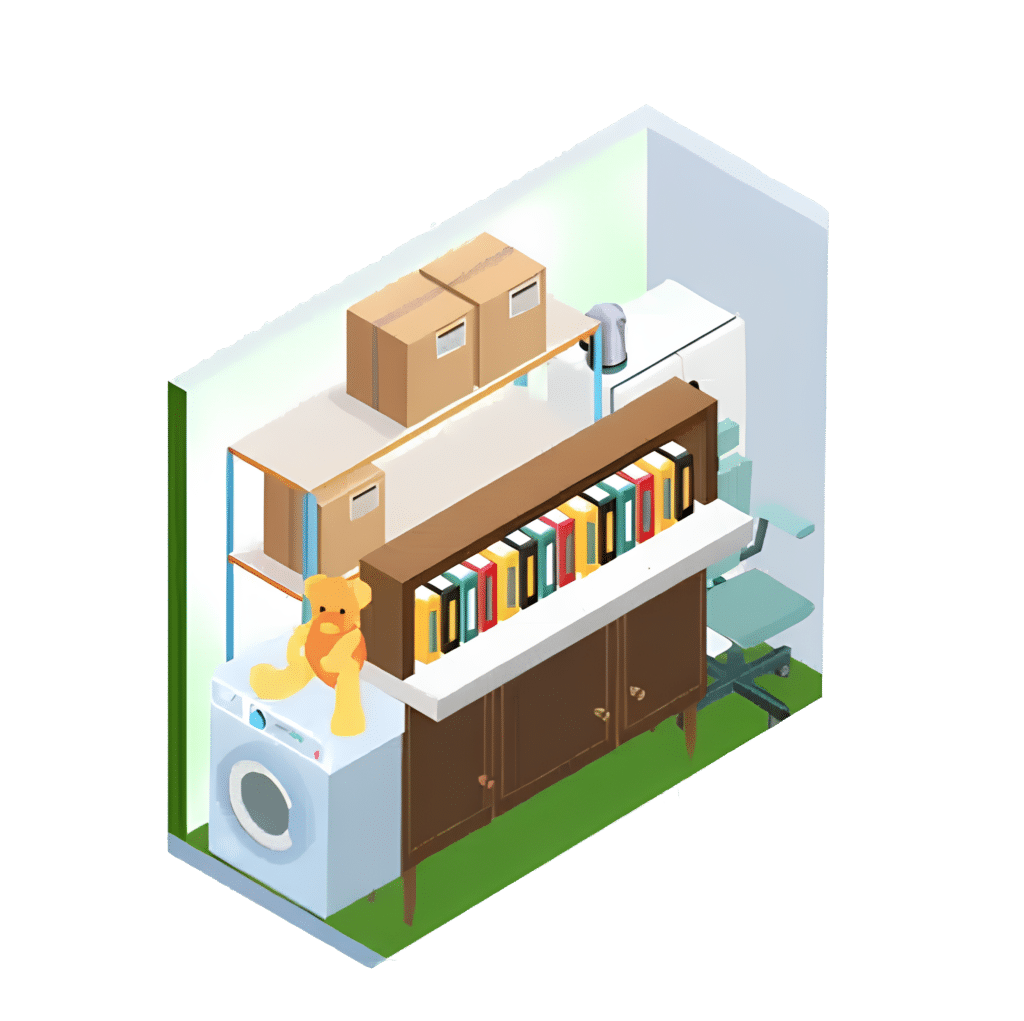
Vertical storage helps enhance storage in a small living space by using walls instead of taking up additional floor area. Wall-mounted shelves, tall cabinets, and hooks can create extra storage while keeping frequently used items accessible.
Rather than relying entirely on wide cupboards and bulky furniture, look upwards and identify unused wall space.
Consider these options:
- Floating shelves: Store books, decorative objects, and lightweight household items without occupying floor space.
- Tall shelving units: Use vertical height to organise boxes, folded linens, and other belongings.
- Wall hooks and pegboards: Hang bags, keys, accessories, and everyday essentials.
- Over-door organisers: Store shoes, toiletries, or cleaning accessories behind suitable doors.
- Wall-mounted cabinets: Keep selected items out of sight for a tidier appearance.
Before installing shelves, check the wall construction, mounting requirements, and recommended load capacity. In rented properties, confirm whether drilling or permanent fixtures are permitted.
Pro Tip: Place frequently used items between waist and eye level. Reserve higher shelves for lightweight belongings you rarely need, and use a stable step stool when necessary.
2. Choose Multifunctional Furniture
Multifunctional furniture combines two or more purposes in one piece, helping residents enhance storage in a small living space without overcrowding rooms. It is particularly useful in studio apartments and compact Singapore homes where the living, dining, and working areas may overlap.
Look for furniture that provides practical storage while serving its primary function comfortably.
Examples include:
- Beds with built-in drawers for clothing, bedding, and spare linens.
- Storage ottomans that provide seating and space for blankets.
- Coffee tables with shelves or concealed compartments.
- Dining tables with drawers or expandable surfaces.
- Desks with integrated shelves and cable-management features.
- Sofa beds with storage compartments, where suitable.
When choosing furniture, measure the available floor area and account for doors, drawers, and walkways. A storage bed may offer additional capacity, but it will be less practical if the drawers cannot open fully.
Prioritise furniture that suits your daily routine instead of purchasing pieces simply because they include hidden compartments.
3. Make Better Use of Hidden and Underused Areas
Hidden storage uses existing spaces that are often overlooked, such as the area beneath a bed, the inside of a wardrobe, or the back of a door. These areas can accommodate everyday belongings without requiring additional furniture.
Start by identifying small pockets of unused space throughout your home.
| Underused area | Suitable storage solution | Items to organise |
|---|---|---|
| Under the bed | Low-profile storage boxes | Seasonal clothing, spare linens |
| Inside wardrobes | Hanging organisers | Accessories, folded garments |
| Behind doors | Hooks or door organisers | Bags, towels, lightweight items |
| Under the sofa | Flat storage containers | Blankets, cushions |
| Above cabinets | Labelled containers | Infrequently used household items |
| Inside kitchen cabinets | Stackable organisers | Food containers, kitchen accessories |
Keep stored items clean and dry, and avoid blocking ventilation or access points. Leave electrical panels, air-conditioning access areas, and other maintenance spaces unobstructed.
For belongings stored under furniture, use containers that can be pulled out easily. This makes cleaning and retrieving items simpler.
4. Declutter Before Adding More Storage
Decluttering is one of the most effective ways to enhance storage in a small living space because it reduces the number of items competing for limited room. Buying more organisers without reviewing your belongings can simply create additional places for clutter to accumulate.
Start with one small area rather than attempting to organise the entire home at once.
Follow this simple process:
- Empty one area: Choose a drawer, shelf, cupboard, or wardrobe.
- Group similar belongings: Put related items together so you can see how much you own.
- Review their usefulness: Identify what you regularly use and what has remained untouched.
- Sort your belongings: Separate items into keep, donate, sell, recycle, or discard categories.
- Return essentials: Store frequently used items where they are easy to reach.
- Review periodically: Repeat the process when possessions begin to accumulate.
For sentimental belongings, consider keeping a manageable collection rather than storing every item indefinitely.
Decluttering also helps reveal your actual storage requirements. Once unnecessary possessions are removed, you can determine whether additional shelving, better containers, or external storage would genuinely help.
5. Organise Cupboards, Drawers, and Wardrobes
Organised cupboards and drawers make existing storage more efficient by ensuring that every section has a clear purpose. A well-arranged storage area can also reduce the time spent searching for belongings.
Use a consistent system across different rooms.
- Drawer dividers: Separate accessories, stationery, utensils, and small household items.
- Stackable containers: Make use of cupboard height while keeping categories organised.
- Clear boxes: Help you identify contents without opening every container.
- Labels: Identify stored items, especially those used infrequently.
- Matching hangers: Create more consistent spacing within wardrobes.
- File organisers: Keep documents and papers sorted vertically.
Group items according to how you use them. For example, keep everyday kitchen tools close to your preparation area and store occasional baking equipment separately.
Avoid filling every drawer to its maximum capacity. Leave enough room to retrieve items without moving several other belongings first.
6. Use a Room-by-Room Storage Strategy
A room-by-room strategy makes it easier to enhance storage in a small living space because each area has different storage requirements. Instead of applying the same organising method everywhere, select solutions that match the activities performed in each room.
Living room
Use a storage coffee table, media console with cabinets, and wall shelves. Keep frequently used entertainment accessories together and limit decorative objects on open surfaces.
Bedroom
Use under-bed containers, wardrobe organisers, and bedside furniture with drawers. Store seasonal clothing separately from everyday outfits.
Kitchen
Use shelf risers, drawer dividers, and stackable containers. Keep frequently used cooking equipment accessible and avoid obstructing ventilation or appliance clearances.
Home office
Use vertical document organisers, cable-management accessories, and shelves above the desk. Keep essential paperwork separate from archived records.
A consistent room-by-room approach helps maintain order without making your home feel crowded.
7. Compare Storage Solutions Before Choosing
The right storage solution depends on the type of belongings you own, how frequently you use them, and how much space is available. Comparing options before purchasing furniture or renting a unit can help you avoid unnecessary expenses.
| Storage solution | Best suited for | Main advantage | Potential limitation |
|---|---|---|---|
| Wall-mounted shelves | Books and lightweight items | Frees up floor space | Requires suitable mounting |
| Multifunctional furniture | Everyday household belongings | Combines storage and utility | May cost more initially |
| Under-bed containers | Clothing and linens | Uses otherwise unused space | Limited height and accessibility |
| Cupboard organisers | Small household items | Improves existing storage | Does not increase total cupboard volume significantly |
| Decluttering | Unused or unwanted belongings | Reduces storage demand | Requires regular decisions |
| External self-storage | Excess or infrequently used belongings | Frees up space at home | Requires a rental budget and trips to retrieve items |
For items that you need regularly, keeping them at home is usually more convenient. External storage is better suited to belongings that you want to retain but do not need to access every day.
8. Consider External Self-Storage for Excess Belongings

External self-storage provides additional space for belongings that cannot be accommodated comfortably at home. It can be useful when you need to retain furniture, seasonal decorations, sports equipment, archived documents, or other possessions without filling your living areas.
The Storage Place offers storage solutions in Singapore for customers who need space beyond what their homes can provide.
Self-storage may be particularly useful when:
- You are renovating your home and need to temporarily relocate furniture.
- You are moving into a smaller apartment.
- You have seasonal belongings that occupy valuable cupboard space.
- You need to keep personal possessions while reorganising your home.
- You want to separate infrequently used items from everyday essentials.
Before renting a unit, estimate how much space your belongings require and compare the rental terms, access arrangements, security provisions, and total costs. Check whether the facility offers appropriate environmental conditions for any items that may be sensitive to heat or humidity.
For more practical ideas on maximising unused areas in your home, read our guide on how to organise a spare room. It offers helpful ways to arrange belongings, reduce clutter, and make better use of available space.
If you are considering additional space, explore The Storage Place’s self-storage services to learn more about available storage options.
9. Maintain an Organised Home with Simple Habits
Long-term organisation depends on consistent habits rather than a single major clean-up. A simple maintenance routine helps prevent belongings from accumulating in places that are already difficult to manage.
Try incorporating these habits into your daily or weekly routine:
- Return frequently used items to their designated places after use.
- Clear kitchen counters and dining tables regularly.
- Review incoming purchases before adding them to existing storage.
- Keep similar items together and label containers when necessary.
- Schedule a short weekly review of clutter-prone areas.
- Reassess storage arrangements when your household needs change.
A useful rule is to assign every stored item a specific place. If a category repeatedly overflows, review whether you have too many belongings or whether the current storage arrangement needs improvement.
Avoid storing heavy items on high shelves or stacking boxes in ways that could topple. Ensure that walkways, exits, and ventilation areas remain clear.
Conclusion: Create More Room with Smarter Storage Choices
Enhancing storage in a small living space does not necessarily require a larger home or extensive renovations. By using vertical space, choosing multifunctional furniture, organising hidden areas, decluttering regularly, and adopting practical storage habits, you can make your existing space more comfortable and functional.
When home storage is no longer sufficient, external self-storage offers another way to manage belongings without overcrowding your living areas.
The Storage Place provides storage solutions for individuals and households in Singapore who need additional room for their possessions. Visit The Storage Place to explore your options and find a storage solution that suits your needs.
Frequently Asked Questions
How can I maximise storage in a small living space?
Maximise storage by using vertical shelves, multifunctional furniture, under-bed containers, and cupboard organisers. Decluttering regularly also helps free up space and keeps essential belongings easy to access.
What furniture is best for small living spaces?
Multifunctional furniture, such as storage beds, ottomans with hidden compartments, coffee tables with shelves, and dining tables with drawers, is ideal for small homes because it combines practicality with space efficiency.
How can I organise a small spare room?
Start by decluttering the room and grouping similar belongings together. Use vertical shelving, labelled storage boxes, and multifunctional furniture to maximise available space. For more tips, read our guide on how to organise a spare room
When should I consider renting an external storage unit?
Consider external self-storage when your home cannot comfortably accommodate seasonal items, excess furniture, renovation belongings, or possessions you rarely use. Choose a unit based on your storage needs, budget, accessibility, and rental terms.
How can self-storage help keep a small home organised?
Self-storage provides additional space for belongings that you want to keep but do not need daily. By moving selected items outside your home, you can reduce clutter, free up cupboards, and create a more comfortable living environment.